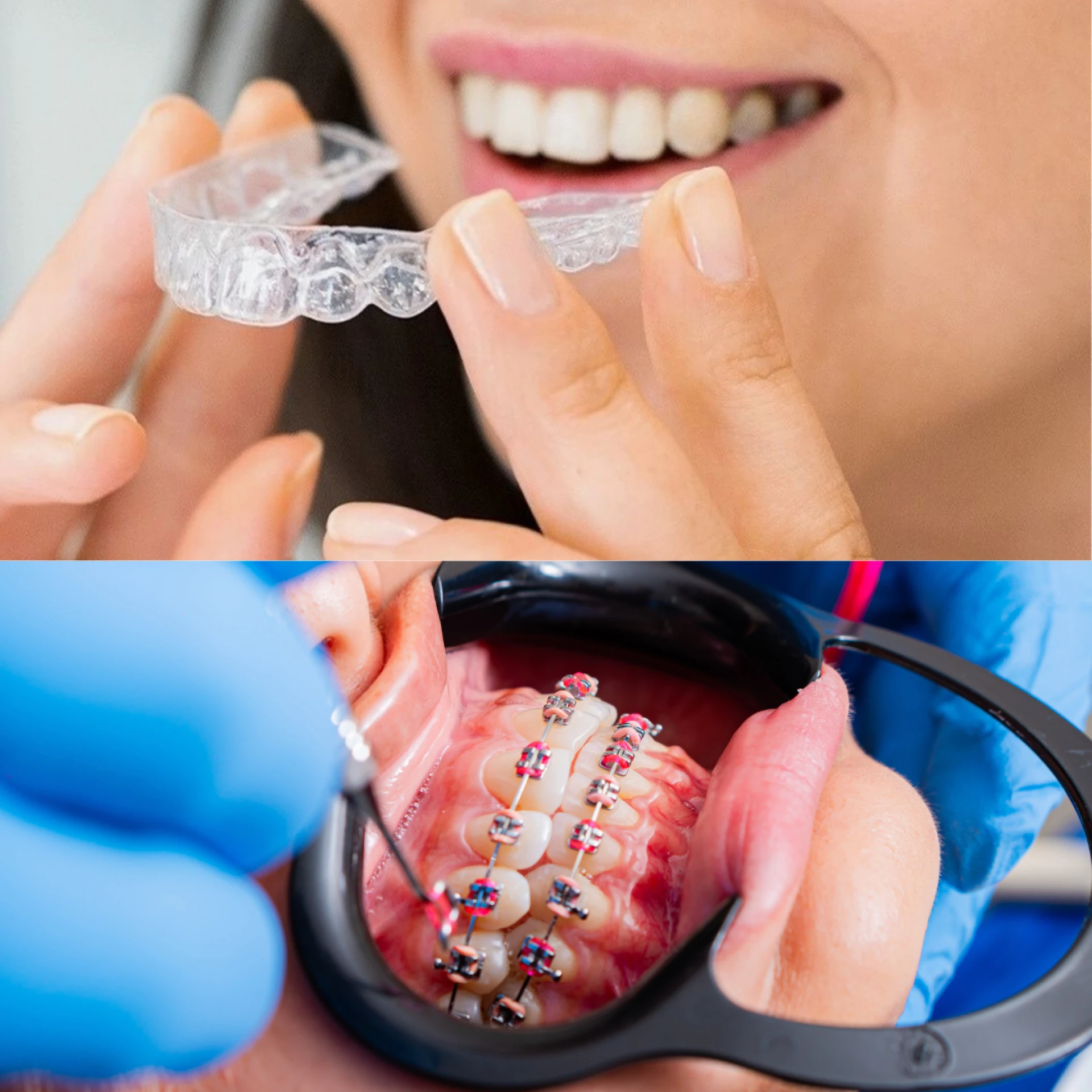

When it comes to straightening your teeth, the choice between traditional braces and Invisalign can feel overwhelming. With advancements in modern dentistry, patients in the UK now have more discreet, comfortable, and effective options than ever before. But which one is right for you?
Whether you're a teen, adult, or someone exploring cosmetic improvements alongside composite bonding in London, this guide will help you make an informed decision.
Understanding the Basics
🦷 Traditional Braces
Braces have been the go-to orthodontic solution for decades. They consist of metal brackets bonded to each tooth and connected by wires, which are periodically tightened to shift your teeth into alignment.
🦷 Invisalign
Invisalign uses a series of clear, removable aligners custom-made to fit your teeth. These aligners gradually move your teeth into place without the use of metal wires or brackets.
Aesthetic Appearance: Discreet or Visible?
If appearance is a primary concern—especially for working professionals or adults—Invisalign wins hands down.
- Braces: Visible, even in ceramic form. Many UK patients are self-conscious about how braces look, especially in professional or social settings.
- Invisalign: Nearly invisible. Invisalign aligners are clear and subtle, making them a preferred choice for adults who want a low-profile solution.
Comfort and Lifestyle Impact
- Braces: Can cause irritation to cheeks and gums due to brackets and wires. Eating hard or sticky foods is restricted, and oral hygiene requires more effort.
- Invisalign: Smooth aligners cause less irritation. They’re removable, which means you can eat whatever you like and clean your teeth normally—an especially helpful feature for those investing in other cosmetic treatments like composite bonding offers.
💡 Tip: Invisalign aligners must be worn for 20–22 hours a day for best results. Discipline is key!
Treatment Duration
- Braces: Typically worn for 18 to 24 months, depending on the severity of misalignment.
- Invisalign: Often takes 6 to 18 months. Complex cases may take longer, but Invisalign is generally faster for mild to moderate corrections.
The shorter timeline, combined with its removability, is one reason Invisalign is popular among patients undergoing smile makeovers in London clinics.
Effectiveness for Complex Cases
This is where traditional braces often shine.
- Braces: Best for complex orthodontic issues, such as significant overcrowding, rotated teeth, or major bite corrections.
- Invisalign: Highly effective for mild to moderate cases. While technology has advanced (with attachments and buttons), extremely complex cases may still be better suited to braces.
👨⚕️ Consulting an orthodontist or cosmetic dentist who also offers services like composite bonding can help determine the best choice based on your case.
Oral Hygiene and Maintenance
Good oral hygiene is essential during orthodontic treatment.
- Braces: Cleaning around brackets can be tricky. Brushing and flossing take more time and require additional tools like interdental brushes.
- Invisalign: Easier to maintain oral hygiene. You can remove your aligners to brush and floss as normal—ideal if you're investing in cosmetic treatments like whitening or composite bonding for a fully enhanced smile.
Cost Comparison in the UK
Orthodontic costs can vary based on your provider, location, and treatment complexity.
- Braces: Generally cost between £2,000–£4,000 privately. Metal braces are often the most affordable.
- Invisalign: Prices range from £2,500 to £5,000 in the UK, depending on whether it’s Invisalign Lite, Full, or i7.
NHS braces are available for under-18s with medical need, but adult orthodontic treatment is usually private. Many London-based clinics that offer composite bonding also provide Invisalign payment plans to make treatment more accessible.
Compatibility with Cosmetic Dentistry
Invisalign is often recommended before cosmetic enhancements like bonding, veneers, or whitening.
- For example, if you're planning composite bonding, aligning your teeth first ensures the bonding is placed symmetrically and harmoniously.
- Braces may interfere with cosmetic treatments due to their fixed nature and longer timelines.
Aftercare and Retainers
Both Invisalign and braces require retainers post-treatment to prevent teeth from shifting back.
- Braces: Usually a fixed or removable retainer is fitted.
- Invisalign: A Vivera (clear) retainer is often provided, blending seamlessly into your lifestyle.
Conclusion: Braces or Invisalign – What’s Best for You?
Ultimately, the choice between braces and Invisalign depends on your unique dental needs, lifestyle, and aesthetic preferences. While both treatments can deliver life-changing results, Invisalign offers clear advantages in discretion, comfort, and hygiene—especially when combined with cosmetic procedures like composite bonding.























Sign in to leave a comment.