You have been thinking about it for a while. Maybe your teeth have always been a little crooked and you never addressed it. Maybe your teenager just had their first orthodontic consultation and you came home with more questions than answers. Or maybe you are an adult who has decided that this is finally the year you do something about a smile you have never felt confident about.
Whatever brought you here, this guide covers everything. From understanding why crooked teeth happen in the first place to comparing every major brace type, understanding the full treatment timeline, managing life with braces day to day, and knowing what to expect when treatment ends, this is the complete resource for anyone considering braces treatment in Fursungi or simply trying to make an informed decision before their next orthodontic consultation.
Why Teeth Become Misaligned: The Causes Behind Crooked Smiles
Misaligned teeth are among the most common dental presentations worldwide, and they have multiple contributing causes. Understanding the origin of a specific alignment problem helps set realistic expectations about how it can be treated and how long treatment will take.
Genetic Factors
Tooth size, jaw size, and the proportional relationship between the two are largely genetically determined. A person can inherit their father's large teeth and their mother's smaller jaw, creating a discrepancy in which there is simply not enough arch space to accommodate all teeth in their ideal positions. Crowding, overlapping, and rotations result. Skeletal malocclusions — where the upper and lower jaws do not relate to each other correctly in terms of size or position — are similarly inherited and are the reason that some patients require orthognathic (jaw) surgery alongside orthodontic teeth straightening to achieve a fully corrected bite.
Early Loss of Baby Teeth
Baby teeth serve as space holders for the permanent teeth developing beneath them. When a baby tooth is lost prematurely — through decay, trauma, or early extraction — the adjacent teeth drift into the gap, reducing the space available for the permanent tooth when it erupts. The permanent tooth then comes in rotated, crowded, or displaced from its intended position. This is why children who lose baby teeth early often develop alignment problems that require orthodontic treatment.
Habits in Childhood
Prolonged thumb sucking, finger sucking, and tongue thrusting past the appropriate developmental age apply sustained forces to the developing dental arches that alter their shape and tooth positions. A classic outcome of prolonged thumb sucking is an anterior open bite, where the upper front teeth protrude and the lower front teeth tip backward, creating a gap between the upper and lower incisors when the back teeth are together. Prolonged dummy use has similar effects. These habit-driven malocclusions often require orthodontic correction once the habit has stopped.
Supernumerary Teeth, Impacted Teeth, and Missing Teeth
Extra teeth (supernumeraries) displace adjacent teeth. Impacted teeth — those that fail to erupt normally and remain partially or fully within the bone — push neighbouring teeth out of alignment. Congenitally missing teeth leave gaps that adjacent teeth drift into over time, altering the bite relationship. All three require management as part of a comprehensive teeth alignment treatment plan, sometimes in coordination with oral surgery.
The Types of Malocclusion: Understanding Your Bite
Orthodontists classify malocclusions using the Angle classification system, which describes the relationship between the upper and lower first permanent molars when the teeth are in occlusion.
| Class | Description | Common Presentation |
|---|---|---|
| Class I | Normal molar relationship, but crowding or spacing of the front teeth | Crowded, rotated, or spaced teeth with otherwise correct jaw relationship |
| Class II | Upper molar is ahead of lower molar — upper jaw relatively forward | Overjet (protruding upper front teeth), deep bite, retrognathic lower jaw |
| Class III | Lower molar is ahead of upper molar — lower jaw relatively forward | Underbite, lower front teeth in front of uppers, prognathic lower jaw |
This classification matters because Class I malocclusions with crowding are typically treated with braces alone, while significant Class II or III skeletal discrepancies may require additional interventions — growth modification appliances in children, or orthognathic surgery in adults with severe jaw discrepancies.
Types of Braces Available for Braces Treatment in Fursungi
The options available for orthodontic uneven teeth treatment have expanded considerably over the past decade. Understanding the differences helps patients make choices that balance clinical effectiveness, aesthetics, lifestyle compatibility, and cost.
Traditional Metal Braces
Metal braces remain the most widely used orthodontic appliance globally and the gold standard against which all alternatives are measured. High-grade stainless steel brackets are bonded directly to the tooth surface and connected by an archwire that is progressively tensioned at adjustment appointments to move teeth through the surrounding bone in the planned direction. Modern metal brackets are significantly smaller, lower-profile, and more comfortable than those used a generation ago.
Metal braces are the most effective option for complex malocclusions — significant crowding, severe rotations, large vertical discrepancies, and Class II and III skeletal cases. They allow the orthodontist precise three-dimensional control of every tooth. For patients seeking affordable braces Fursungi, metal braces are consistently the most cost-effective option and the choice of most orthodontists for cases requiring maximum clinical control.
Ceramic (Tooth-Coloured) Braces
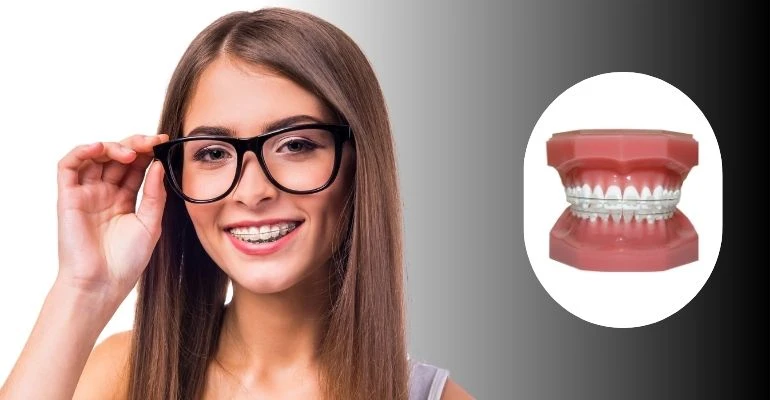
Ceramic braces use the same bonded bracket and wire principle as metal braces but with tooth-coloured or clear ceramic brackets that are significantly less visible than metal. They are popular with adult patients and older teenagers who want the clinical effectiveness of fixed braces with better aesthetics. The trade-offs are a higher per-treatment cost than metal braces, slightly larger bracket size, and the potential for bracket staining from highly pigmented foods and drinks if the patient does not maintain careful dietary discipline.
Self-Ligating Braces
Self-ligating brackets use a built-in sliding mechanism rather than elastic ligatures to hold the archwire, which advocates claim reduces friction between the wire and bracket and may accelerate tooth movement in some cases. Both metal and ceramic self-ligating options are available. The clinical evidence for significantly faster treatment with self-ligating systems compared to conventional braces is mixed, and outcomes are primarily determined by the orthodontist's skill and treatment planning rather than the specific bracket system used.
Clear Aligner Treatment
Clear aligners are a series of custom-fabricated transparent removable trays that progressively move teeth in small incremental steps. Each tray in the series is worn for 1 to 2 weeks before being replaced by the next. The aesthetic advantage is significant — the trays are nearly invisible — and the removable nature allows normal eating and easier oral hygiene maintenance. For mild to moderate malocclusions in motivated patients who can commit to wearing the trays for 20 to 22 hours per day, results are comparable to fixed braces.
Clear aligners are less suited to complex cases requiring significant vertical tooth movement, large rotations, or severe skeletal discrepancies where the precision and three-dimensional control of fixed braces is necessary. They also depend entirely on patient compliance: a tray worn for 12 hours per day rather than 22 will not produce the planned movement and extends treatment duration significantly.
Lingual Braces
Lingual braces are bonded to the inner (tongue-facing) surfaces of the teeth, making them completely invisible from the front. They offer the clinical effectiveness of fixed braces with complete aesthetic concealment. The trade-offs are higher cost than conventional labial braces, a more demanding adjustment period for tongue comfort and speech, and the requirement for an orthodontist with specific lingual braces training.
Who Can Have Braces? Candidacy Across All Ages
One of the most persistent misconceptions about orthodontic treatment is that it is only for children and teenagers. Biologically, teeth can be moved through bone at any age, provided the supporting bone and gum tissue are healthy. There is no upper age limit for orthodontic treatment.
Children (7 to 12 Years)
The American Association of Orthodontists recommends a first orthodontic assessment at age 7 — not to begin treatment, but to identify any developing problems that benefit from early intervention. Growth modification appliances (expanders, functional appliances) used during the growth years can take advantage of the developing jaw to reduce the severity of skeletal discrepancies, potentially making later fixed brace treatment shorter or even avoiding the need for orthognathic surgery in borderline cases.
Teenagers (13 to 18 Years)
The early to mid-teenage years are the most common time for fixed brace treatment, as most permanent teeth have erupted, facial growth is active (facilitating some growth guidance), and the extended treatment duration is managed well within the school years. dental braces in Fursungi for teenagers is the most commonly performed category of orthodontic treatment and covers the widest range of malocclusion severities.
Adults (18 and Over)
Adult orthodontic treatment has grown significantly in prevalence as social attitudes toward adult braces have shifted and clear aligner options have become widely available. Adults may require longer treatment times than teenagers for equivalent tooth movements because bone remodelling is slower in the absence of active growth. Adults with periodontally compromised teeth — with bone loss from gum disease — require treatment of the gum disease to stability before orthodontic forces are applied, and movement planning is modified to account for reduced bone support.
There is no age limit for braces. If you have healthy teeth and gums, you are a potential candidate for braces treatment in Fursungi regardless of whether you are 15 or 55. Adult cases may take slightly longer and may require additional dental work before beginning, but the biological principle of tooth movement through healthy bone applies at every age.
The Braces Treatment Journey: From First Consultation to Final Retainer
Step 01 Initial Consultation and Records
The first appointment with an orthodontist is a comprehensive assessment rather than a treatment appointment. Clinical examination of the teeth, bite, facial profile, and jaw relationship is combined with orthodontic records: digital photographs of the face and teeth, a dental panoramic X-ray (OPG), a cephalometric X-ray for skeletal assessment, and in some clinics a digital intraoral scan replacing traditional impressions. These records allow the orthodontist to diagnose the specific malocclusion accurately, develop a detailed treatment plan, and predict the expected outcome and treatment duration before any bracket is placed.
Step 02 Treatment Planning Discussion
The orthodontist presents the diagnosis, the proposed treatment plan including the type of appliance recommended and the rationale, an estimated treatment duration, and the expected outcome. If extractions are needed to create space for teeth spacing treatment, this is discussed and coordinated with the referring dentist at this stage. Any growth modification phase planned before fixed braces is also outlined. This is the appointment to ask every question you have about the proposed plan, the alternatives considered and why they were not recommended, the total cost, and the payment options available.
Step 03 Bond-Up (Brace Fitting) Appointment
The fitting appointment typically takes 60 to 90 minutes. Brackets are bonded to the enamel surface of each tooth using a light-cured adhesive. The archwire is then threaded through the brackets and secured. The procedure is not painful, though some patients experience sensitivity and mild discomfort for 3 to 5 days after the first fitting as the teeth begin to respond to the initial wire tension. Over-the-counter analgesics manage this effectively for most patients.
Step 04 Active Treatment and Adjustment Appointments
Adjustment appointments are typically scheduled every 4 to 8 weeks throughout active treatment. At each appointment, the archwire is changed or tightened, any elastics or auxiliary attachments are modified, and treatment progress is assessed against the plan. Each wire change may produce 2 to 3 days of mild pressure and sensitivity as the teeth respond to the new force level. This is normal and expected. The accumulated effect of these incremental adjustments over many months is the comprehensive
Step 05 Debond and Retainers
When the orthodontist is satisfied that the planned tooth positions have been achieved and the bite is correct, the brackets are removed. This is a quick, non-painful process in which the bracket bond is broken with a specific instrument and the adhesive residue polished from the tooth surfaces. A dental impression or scan is then taken immediately for the fabrication of retainers. Retainers are the most important appointment after debond — the bone surrounding the moved teeth has not yet fully stabilised in the new positions, and without retainers, some degree of relapse is inevitable.
Step 06 Retention Phase
Retention is not the end of treatment — it is a permanent part of the orthodontic commitment. Fixed retainers are thin wires bonded to the inner surface of the front teeth, providing continuous passive retention that requires no patient action. Removable Hawley or vacuum-formed retainers are worn at night. Most orthodontists now recommend indefinite retainer wear rather than a fixed retention period, as long-term studies consistently show that some degree of tooth movement continues throughout life without retainer use.
Life with Braces: Managing Day to Day
Eating with Braces
The dietary restrictions associated with braces are not permanent, but they are genuine and clinically important. Hard foods — nuts, hard sweets, raw carrots, apples bitten whole, crusty bread — can dislodge brackets or bend archwires, adding emergency appointments and potentially extending treatment duration. Sticky foods — toffee, chewing gum, caramel — can pull brackets off the tooth surface or become packed around brackets where they are impossible to clean effectively. These are not arbitrary restrictions. Every broken bracket adds 4 to 6 weeks to treatment duration in the best case.
Oral Hygiene with Braces
Fixed braces create dozens of additional plaque retention sites around every bracket, under every archwire, and between every bracket and the adjacent tooth. Standard brushing technique is insufficient. Patients with braces need to brush for at least two minutes twice daily using a soft toothbrush angled to clean both above and below each bracket, use interdental brushes under the archwire between each bracket, and floss daily using a floss threader or orthodontic floss to get beneath the wire. Failing to maintain this standard of home care during orthodontic treatment risks permanent white spot lesions — decalcification marks around brackets — that remain visible on the teeth after the braces are removed and cannot be brushed away.
Managing Emergency Situations
Poking wires and dislodged brackets are the most common brace-related emergencies. A wire end that has slid out of the last bracket and is irritating the cheek can be temporarily managed by pressing orthodontic wax over the end until the appointment. A fully dislodged bracket can be removed and kept in a bag for the orthodontist to re-bond at the next appointment — it does not require an immediate emergency visit unless significant discomfort or other damage has occurred.
Keep orthodontic wax in your bag or desk at all times. It is the single most useful product for managing minor brace-related discomfort between appointments. Available at any pharmacy, wax pressed over a poking wire or rough bracket edge provides immediate relief from soft tissue irritation.
What Does Braces Treatment Cost in Fursungi?
For patients researching braces treatment Fursungi costs, the per-treatment price reflects several compounding factors that vary between cases and clinics.
- Brace type: Metal braces are consistently the most affordable option. Ceramic braces carry a modest premium. Clear aligners and lingual braces carry the highest cost per treatment
- Case complexity: A simple Class I crowding case requiring 12 months of treatment costs less than a complex Class II case requiring 24 months with elastics, auxiliary appliances, and multiple wire changes
- Whether extractions are needed: Extraction cases require surgical appointments for the extractions themselves before brace treatment begins, adding to total cost
- Retention phase: Fixed and removable retainers are typically included in the total treatment fee at quality clinics, but confirm this when comparing quotes
- Number of adjustment appointments: A quote that is inclusive of all adjustment visits over the full treatment duration provides better value predictability than one that charges per visit
The most important framing is total treatment cost — including all adjustment visits, any required extractions, and the retainer phase — compared between clinics offering equivalent case complexity and brace type. A lower-quoted starting fee that charges separately for each adjustment appointment can easily total more than a higher all-inclusive quote for the same treatment. Ask specifically what is included at any dental clinic in fursungi you are evaluating before comparing numbers.
EMI payment plans that spread the total treatment cost across monthly instalments are widely available at quality orthodontic practices and make even longer-duration complex cases financially manageable within most family budgets.
FAQs: Braces Treatment in Fursungi
Q1: At what age should my child have their first orthodontic assessment?
Seven years old is the internationally recommended age for a first orthodontic screening, not because treatment begins at seven in most cases, but because this is the age at which the first permanent molars and incisors have erupted and the orthodontist can assess whether any developing problems will benefit from early intervention. Most children assessed at seven do not begin active treatment immediately — they are monitored until the appropriate growth window. However, certain conditions including severe crossbites, significant anterior open bites, and space deficiencies respond better to treatment during active growth than after it has completed. Identifying these cases early is the value of the age-seven assessment. Book your child's first assessment at a qualified braces treatment in Fursungi orthodontic practice and get an accurate picture of what their orthodontic future looks like.
Q2: Are clear aligners as effective as metal braces?
For mild to moderate malocclusions — Class I crowding, mild spacing, moderate overjet in compliant patients — clear aligners in experienced hands produce results comparable to fixed braces. For complex cases requiring significant vertical tooth movement, large rotations, Class II and III skeletal corrections, and cases requiring significant anchorage control, fixed
Q3: Does getting braces hurt?
The fitting appointment itself is not painful — no injections or drilling are involved. The 2 to 5 days following each wire fitting or tightening involve a predictable period of pressure and mild aching as the teeth begin responding to the applied force. This is managed comfortably with ibuprofen or paracetamol as needed. Most patients describe the discomfort as pressure rather than pain, and it reduces significantly after the first few adjustment cycles as the teeth begin to move into their new positions and the response to each wire change becomes more moderate. The soft tissue adjustment to brackets against the inside of the lips and cheeks typically takes 2 to 3 weeks, after which most patients have fully adapted and rarely notice the braces unless a bracket breaks or a wire pokes.
Q4: How do I know if I need extractions as part of my braces treatment?
The need for extractions is determined by the relationship between the total space available in the dental arch and the total space required to align all teeth in their ideal positions. When the discrepancy is significant — when there is substantially more tooth material than arch space — extractions create the room needed for alignment without causing the dental arches to become overly wide or the front teeth to protrude. Modern orthodontic thinking has moved away from the routine extraction approach that was standard in previous decades, and many cases that would previously have been treated with extractions are now managed with arch expansion and other non-extraction techniques. Whether your case needs extractions requires a thorough assessment of your specific arch space, jaw relationship, and facial profile by a qualified dentist in fursungi with orthodontic training or a specialist orthodontist. This is not a decision that can be made without proper clinical records.
Q5: My braces have been removed. Why do I still need to wear retainers?
Immediately after debond, the bone surrounding the moved teeth has not yet fully remodelled around the new tooth positions. The periodontal ligament fibres that were stretched during tooth movement tend to pull the teeth back toward their original positions in the weeks and months after treatment ends. This is biological relapse, and without retainers, it is not a risk — it is a certainty. The extent of relapse varies between individuals, but some degree of movement occurs in virtually every case where retainers are not worn consistently. affordable braces Fursungi treatment that does not include a clear plan for indefinite retention has not provided complete orthodontic care. Wear your retainers as instructed, attend your review appointments, and protect the investment you have made in your treatment outcome for years rather than watching it gradually reverse.
Conclusion: The Smile You Want Is Within Reach
Orthodontic treatment is one of the most transformative investments a person can make in their oral health and their confidence. Whether you are a parent researching options for your child, a teenager finally ready to address crooked teeth, or an adult who has decided this is the year you act, the path from misaligned teeth to a healthy, confident smile follows the same well-established clinical process.
The first step is a consultation. Everything in this guide — the brace options, the timeline, the costs, the candidacy questions — becomes specific and personal only once an orthodontist has examined your teeth and your bite. Braces treatment in Fursungi at a well-equipped, experienced practice gives you access to that first conversation and to the full range of treatment options described here.
Book your consultation at a trusted braces treatment Fursungi clinic today. The smile you have been thinking about is not as far away as it seems.
Source: Braces Treatment: The Complete A to Z Guide for Anyone Considering Orthodontic Care
























Sign in to leave a comment.