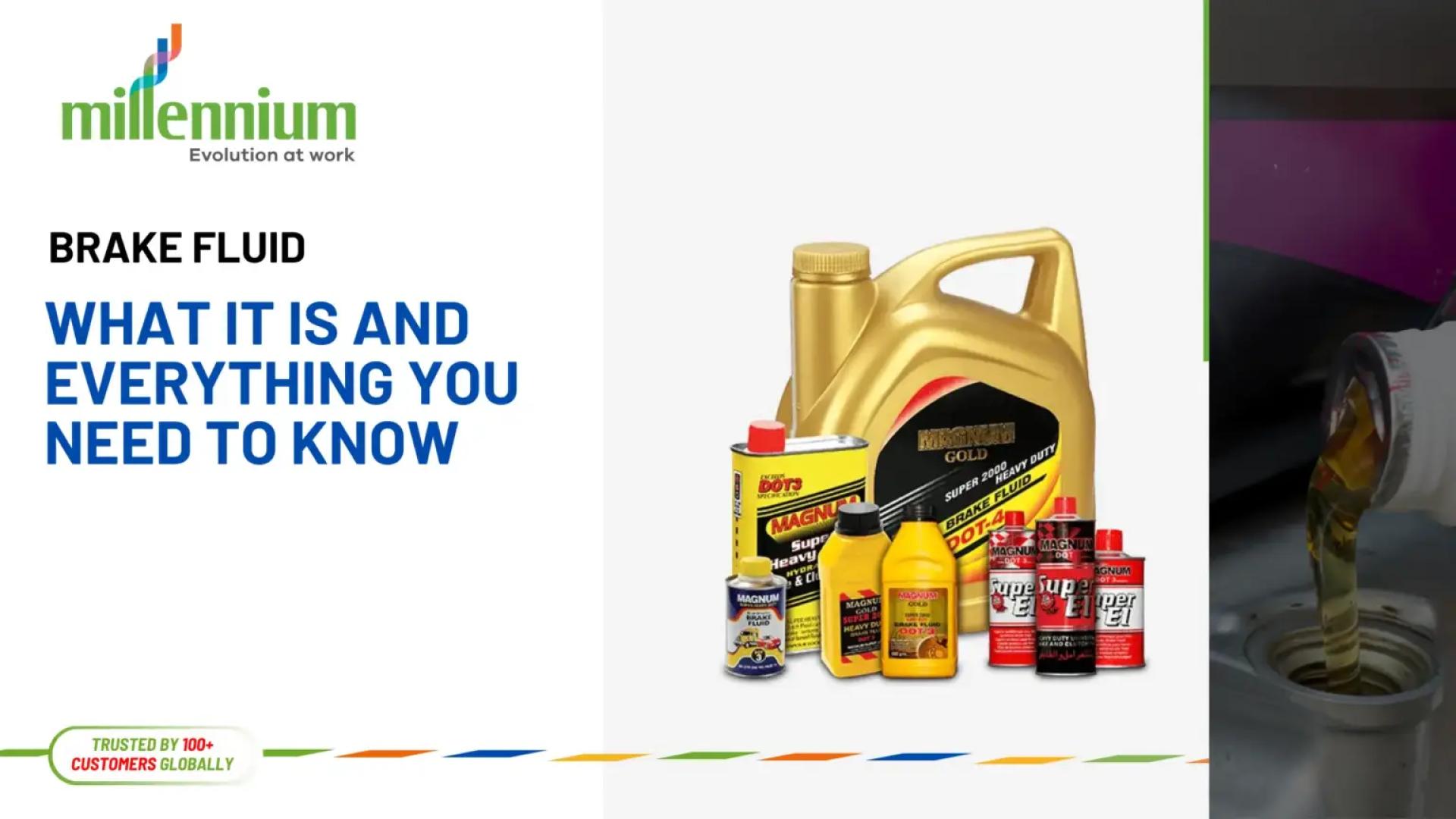

What is Brake Fluid?
Brake fluid is a specially formulated hydraulic fluid used in the braking systems of vehicles. It plays a critical role in transmitting force from the brake pedal to the brake components, enabling the vehicle to slow down or stop. Brake fluid is designed to withstand extreme temperatures and pressures generated during braking. Its ability to maintain consistent performance under varying conditions makes it a vital component of any vehicle's braking system.
The Importance & Function of Brake Fluid
Brake fluid is the lifeblood of your car’s braking system. Its primary function is to transfer the force you apply to the brake pedal into hydraulic pressure that activates the brake pads or shoes. This pressure is essential for bringing the vehicle to a halt safely and efficiently.
Another critical role of brake fluid is lubrication. It reduces wear and tear on brake system components by minimizing friction. Furthermore, it prevents corrosion within the braking system by resisting moisture absorption and maintaining chemical stability. Without an efficient brake fluid, your vehicle's braking performance would diminish, posing significant safety risks.
How Does Brake Fluid Work?
Brake fluid works by utilizing hydraulic principles. When you press the brake pedal, the brake master cylinder compresses the fluid, creating hydraulic pressure. This pressure is transmitted through brake lines to the brake calipers or wheel cylinders, which then press the brake pads or shoes against the rotors or drums.
The fluid's incompressibility ensures precise pressure transfer, enabling responsive and reliable braking. Modern brake fluids are formulated to have high boiling points to prevent vaporization under heat and low freezing points to remain functional in cold conditions. This ensures the braking system operates smoothly across diverse environments.
Understanding Different Types of Brake Fluid
Brake fluids are classified based on their composition and performance specifications. The most common types include:
- DOT 3
- Glycol-based, widely used in standard vehicles.
- Moderate boiling point and affordability.
- DOT 4
- Glycol-based but with higher boiling points than DOT 3.
- Suited for modern cars with advanced braking systems.
- DOT 5
- Silicone-based and non-hygroscopic (does not absorb water).
- Primarily used in specialty vehicles and motorcycles.
- DOT 5.1
- Glycol-based with performance characteristics similar to DOT 5.
- Designed for vehicles with high-performance or ABS systems.
It’s crucial to use the correct brake fluid as specified in your vehicle’s manual. Mixing incompatible fluids can lead to reduced braking efficiency and system damage.
Top Brake Fluids in the Market
- Castrol React SRF Racing
- Known for its high boiling point, suitable for high-performance vehicles.
- Prestone DOT 4 Brake Fluid
- Offers excellent protection against corrosion and vapor lock.
- Motul RBF 660
- Designed for racing and high-performance vehicles with exceptional thermal stability.
- Bosch ESI6
- Compatible with modern ABS and ESP systems, offering low viscosity.
- ATE Original TYP 200
- Ideal for both standard and performance vehicles with reliable wet boiling points.
Choosing a premium-quality brake fluid ensures optimal performance, safety, and system longevity.
Why is Understanding Brake Fluid Important to Your Car?
Brake fluid is critical to your vehicle's safety, and understanding different types of brake fluid its role helps you maintain your car’s braking system effectively. Neglecting brake fluid maintenance can lead to serious problems like brake fade, corrosion, and even complete brake failure. Regular checks for contamination or low levels ensure the fluid’s effectiveness.
Additionally, over time, brake fluid absorbs moisture, reducing its boiling point and increasing the risk of vapor lock. This can cause brakes to become spongy or fail under stress. By knowing when to replace or top up brake fluid, you can prevent such issues and extend the life of your braking components.
Conclusion
Brake fluid is more than just another automotive component—it’s the key to your vehicle’s braking performance and safety. Its role in transferring pressure, preventing corrosion, and maintaining system reliability cannot be overstated. Choosing the right type, conducting regular maintenance, and understanding how brake fluid works are essential steps in ensuring your vehicle remains safe on the road. By investing in quality brake fluid and staying informed, you protect not only your car but also the safety of everyone on board.










Sign in to leave a comment.