
Brands today operate in an environment where consumer opinions shift faster than ever. One campaign, one experience, or one competitor move can influence perception almost instantly. To stay relevant, brands rely heavily on brand tracking research—yet many still struggle to interpret what the data is actually telling them.
The issue isn’t the absence of metrics. It’s the absence of meaningful metrics.
When brand tracking focuses only on surface-level numbers, businesses may feel informed while remaining strategically blind.
The Problem With Relying on Isolated Brand Tracking Metrics
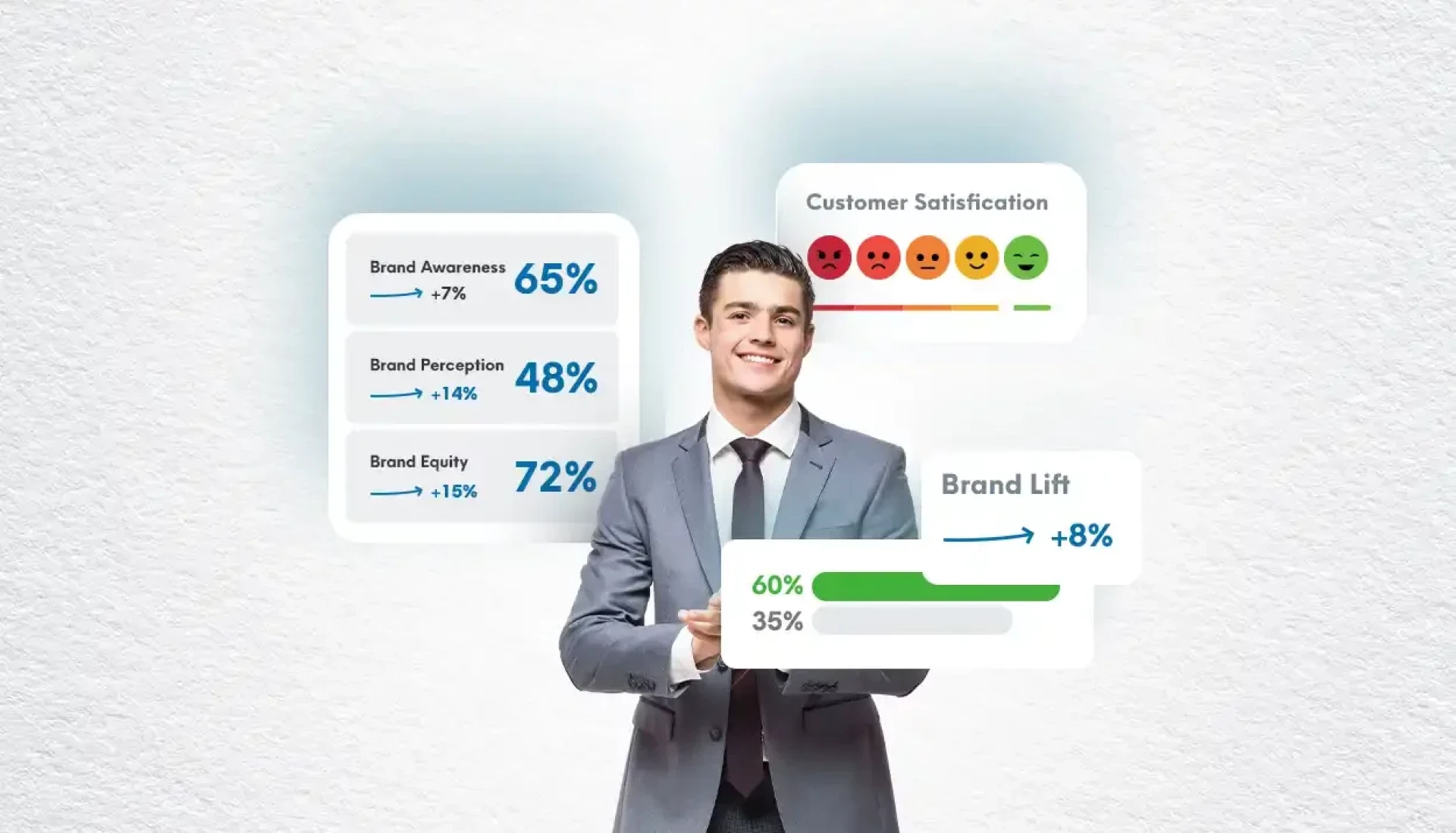
Most brand tracking programs include familiar indicators such as awareness, recall, and favorability. These brand tracking metrics are important, but on their own, they rarely explain the full story.
Common challenges brands face include:
- Metrics that look stable but hide deeper perception shifts
- Data that measures outcomes without explaining causes
- Difficulty linking brand scores to real consumer behavior
- Reports that summarize numbers but lack strategic direction
As markets grow more competitive, relying on isolated metrics can lead brands to make decisions based on incomplete understanding.
This is where many traditional approaches to brand tracking fall short.
Why Brand Tracking Research Must Go Deeper
Effective brand tracking research is not just about monitoring change—it’s about understanding what drives that change. Consumers don’t form opinions in isolation. Their perceptions are shaped by emotions, experiences, expectations, and competitive context.
Modern brand tracking research must answer questions such as:
- Which brand perceptions influence consideration and choice?
- What emotional associations strengthen loyalty?
- Where are perception gaps limiting growth?
- How is the brand evolving relative to competitors?
Without addressing these questions, brand tracking becomes reactive rather than strategic.
Designing a Brand Tracking Study That Delivers Insight
A well-designed brand tracking study connects metrics to meaning. Instead of tracking everything equally, it focuses on the measures that matter most to business outcomes.
An effective study typically explores:
- Emotional and functional brand associations
- Trust, relevance, and differentiation drivers
- Perception shifts over time
- Competitive positioning within the category
By structuring the study around strategic objectives, brands move from passive observation to active insight generation.
Moving Beyond Vanity Metrics
One of the biggest mistakes brands make is treating all metrics as equally important. In reality, some brand tracking metrics have far greater impact on growth than others.
For example:
- Awareness may be high, but relevance may be declining
- Favorability may remain stable while differentiation weakens
- Consideration may drop due to emotional disconnect, not price
Advanced brand tracking research prioritizes metrics based on their influence on consumer behavior, not just their visibility in reports.
Connecting Brand Tracking Metrics to Real Decisions
Metrics only become valuable when they inform action. A strong brand tracking study doesn’t end with charts—it translates insight into decisions.
When aligned correctly, brand tracking metrics can help brands:
- Refine positioning and messaging
- Identify perception risks early
- Strengthen emotional engagement
- Guide investment across touchpoints
This turns brand tracking from a reporting exercise into a continuous decision-support system.
Understanding the “Why” Behind Metric Movement
A change in metrics without context can be misleading. For instance, a dip in favorability could stem from messaging fatigue, unmet expectations, or competitive noise.
A deeper brand tracking study explores the underlying drivers by examining:
- Consumer motivations and attitudes
- Shifts in needs or priorities
- Experience gaps across channels
- External factors influencing perception
By understanding the “why,” brands can respond with precision rather than assumption.
Using Brand Tracking Research as a Growth Engine
When done right, brand tracking research becomes more than a diagnostic tool—it becomes a growth engine.
Brands can use insights to:
- Strengthen emotional relevance
- Improve consistency across touchpoints
- Support innovation and new launches
- Build long-term brand equity
Instead of reacting to change, brands learn to anticipate it.
Why Strong Brands Invest in Smarter Metrics
Successful brands don’t just track more data—they track better data. They understand that meaningful brand tracking metrics provide clarity, not confusion.
Smarter brand tracking research enables brands to:
- Focus on what truly influences consumer choice
- Make confident, evidence-based decisions
- Align internal teams around shared insight
- Maintain relevance in changing markets
This strategic focus is what separates enduring brands from those that slowly fade.
Final Thoughts: From Brand Tracking Studies to Brand Strength
Brand tracking is no longer about checking performance boxes. It’s about understanding relationships, emotions, and evolving expectations.
When brands invest in thoughtful brand tracking research, design a purposeful brand tracking study, and focus on impactful brand tracking metrics, they gain more than data—they gain direction.
In a world where perception shapes performance, the brands that win are the ones that listen deeply, interpret wisely, and act decisively.



Sign in to leave a comment.