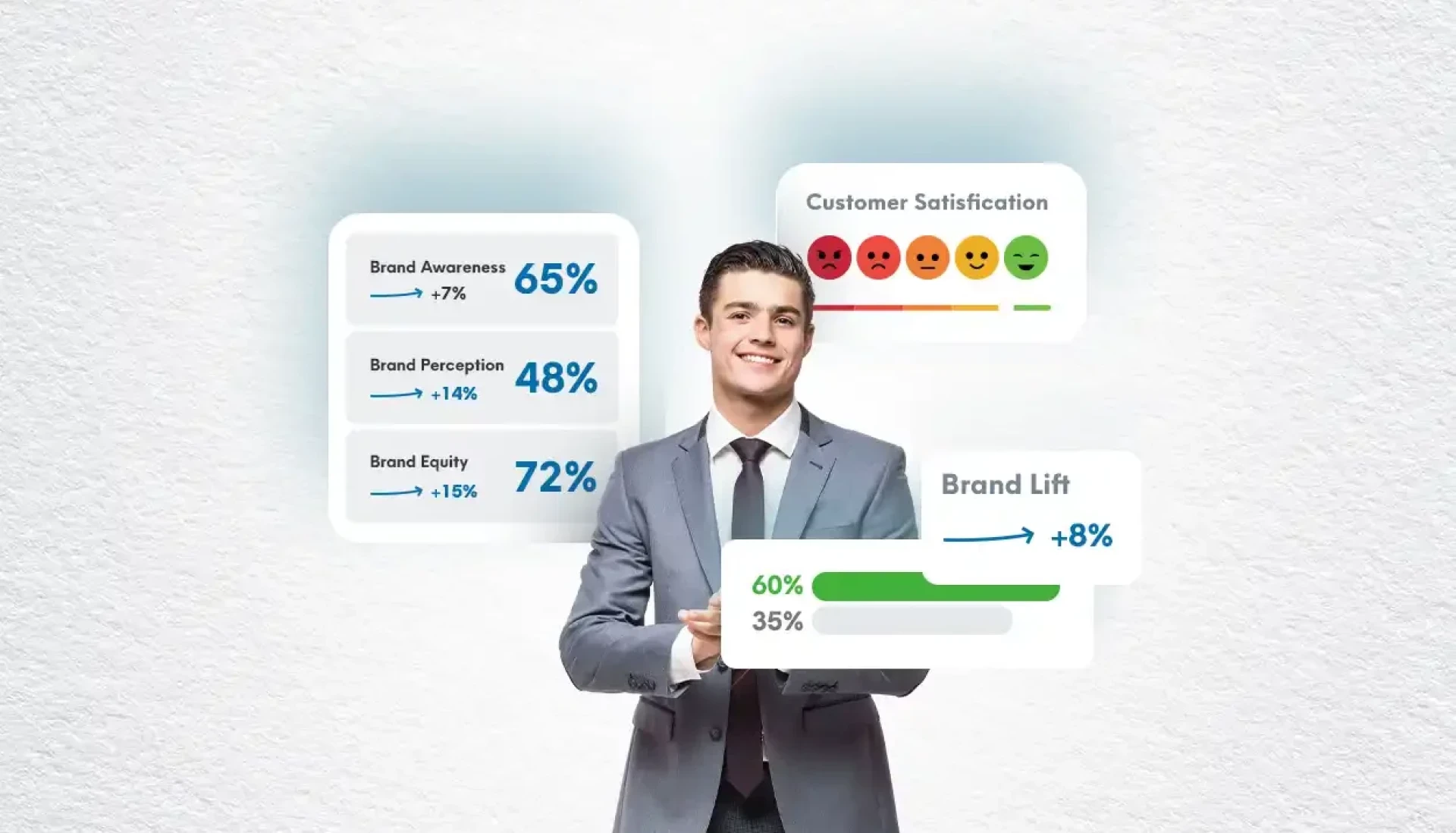

Brands rarely lose relevance overnight. More often, it happens gradually—through subtle changes in consumer perception, emotional disconnect, or shifting expectations. By the time performance metrics reflect a decline, the warning signs have usually been present for months.
This is why brand tracking research is essential. It allows brands to understand how they are perceived today, how those perceptions evolve, and what actions are needed to stay aligned with their audience.
However, not all brand tracking efforts deliver meaningful insight. Many collect data without creating clarity, leaving brands informed but uncertain.
The Problem With Traditional Brand Tracking Studies
A typical brand tracking study focuses on monitoring familiar indicators such as awareness, recall, and favorability over time. While these metrics are useful, they often fail to explain what’s really driving change.
Common challenges include:
- Studies that capture opinions but not motivations
- Data that explains what changed but not why
- Results that arrive too late to influence strategy
- Insights that remain disconnected from business decisions
As consumer behavior becomes more dynamic, static or infrequent studies can leave brands reacting rather than leading.
Why Brand Tracking Research Must Be Continuous
Consumer perceptions are shaped by every interaction—advertising, experiences, word of mouth, and competitive activity. A brand that felt relevant six months ago may feel outdated today.
Modern brand tracking research must move beyond one-off measurement and become an ongoing learning system. Continuous tracking allows brands to:
- Detect early signs of perception shifts
- Understand changing consumer expectations
- Monitor the impact of campaigns and initiatives
- Stay aligned with evolving market conditions
This approach transforms brand tracking from a retrospective report into a proactive strategy tool.
The Role of a Brand Tracking Survey
At the heart of every brand tracking program is the brand tracking survey. It is the primary method for capturing the voice of the consumer and understanding how brand perceptions are formed.
A well-designed survey goes beyond basic questions and explores:
- Emotional associations with the brand
- Perceived relevance and differentiation
- Trust, credibility, and value
- Competitive comparisons
When surveys focus only on surface-level measures, they miss the deeper drivers of brand strength. When designed thoughtfully, they uncover the reasons behind consumer attitudes.
Designing Surveys That Lead to Action
One of the biggest mistakes brands make is treating surveys as data collection tools rather than decision-support tools.
An effective brand tracking survey is designed with action in mind. Each question should link to a strategic decision, such as:
- Strengthening emotional connection
- Improving brand relevance
- Refining positioning and messaging
- Identifying perception gaps
This ensures that insights generated from the survey are not only interesting, but also actionable.
Turning a Brand Tracking Study Into Strategic Insight
A strong brand tracking study does more than report metrics—it explains them. By analyzing trends over time and connecting them to consumer behavior, brands gain clarity on what is truly driving performance.
This enables brands to:
- Identify which perceptions influence consideration and choice
- Understand barriers to growth or loyalty
- Track progress against long-term brand goals
- Make confident, evidence-based decisions
When insights are clearly linked to strategy, brand tracking becomes a growth enabler rather than a reporting obligation.
Understanding the “Why” Behind Perception Shifts
Changes in brand metrics without context can be misleading. A decline in favorability, for example, may be driven by messaging fatigue, increased competition, or unmet expectations.
Effective brand tracking research digs deeper by examining:
- Emotional triggers shaping opinion
- Functional perceptions such as quality or reliability
- External influences affecting consumer sentiment
- Experience gaps across the customer journey
By uncovering these drivers, brands can address root causes instead of symptoms.
Why Strong Brands Invest in Better Brand Tracking Research
Successful brands don’t rely on intuition alone. They invest in understanding their audience continuously and deeply.
Thoughtful brand tracking research allows brands to:
- Stay relevant in changing markets
- Strengthen emotional and functional connections
- Align internal teams around shared insight
- Build long-term brand equity
Rather than reacting to change, brands gain the ability to anticipate it.
Final Thoughts: From Brand Tracking Surveys to Brand Growth
Brand tracking is no longer just about monitoring awareness or recall. It’s about understanding relationships, emotions, and evolving expectations.
When brands invest in ongoing brand tracking research, design purposeful brand tracking studies, and use insight-driven brand tracking surveys, they move beyond data collection and toward strategic growth.
In a world where perception shapes performance, brands that listen continuously—and act decisively—are the ones that endure.



Sign in to leave a comment.