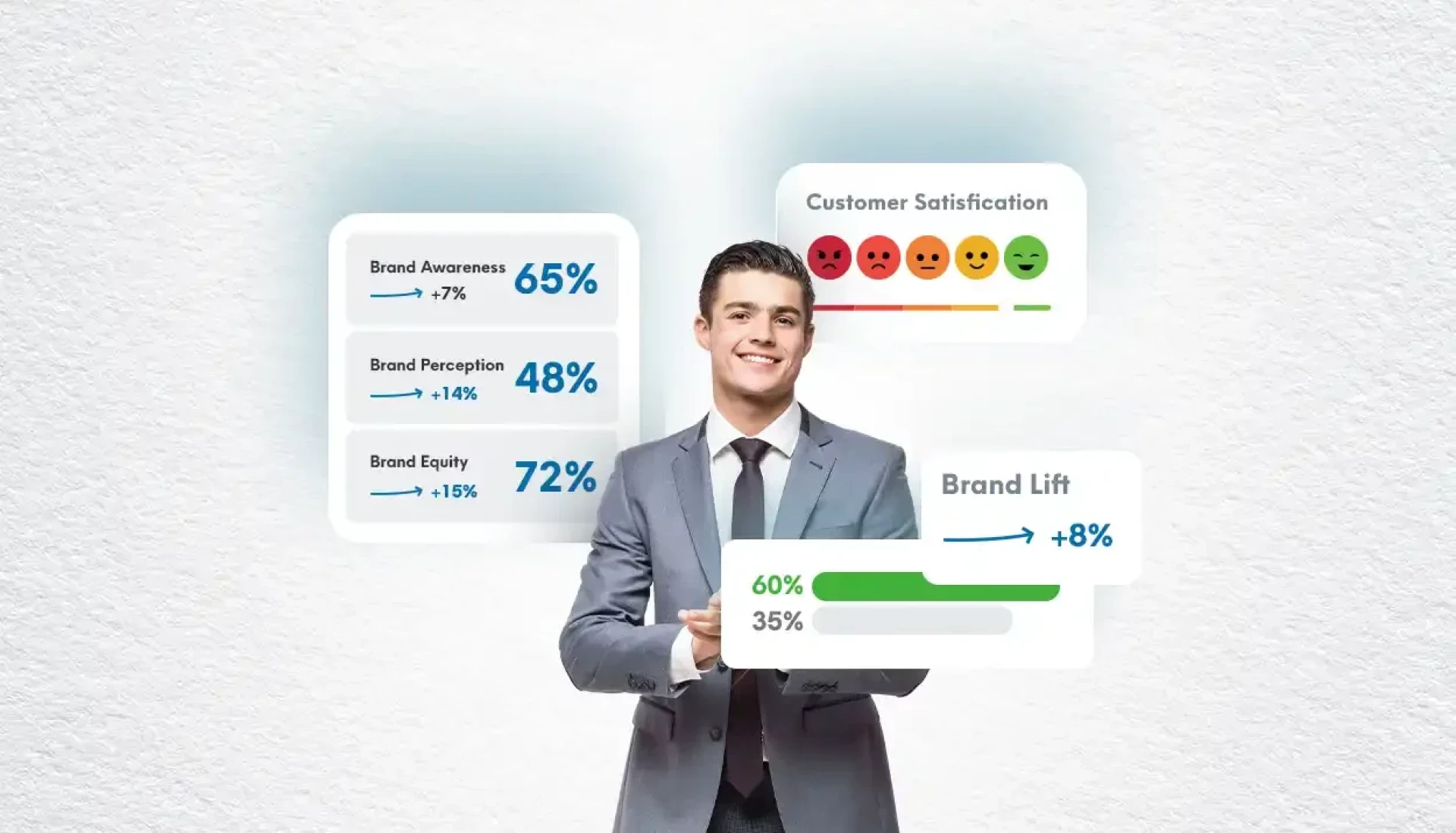

Brands today operate in an environment where consumer opinions shift rapidly. One campaign, one experience, or one negative interaction can reshape how a brand is perceived almost instantly. To stay relevant, businesses rely on brand tracking to monitor these changes over time.
However, many brands still struggle to turn tracking data into real insight. They conduct surveys, review dashboards, and analyze reports — yet decision-making remains uncertain.
The problem is rarely the lack of data. More often, it’s the gap between the brand tracking survey and the brand tracking tool used to interpret it.
Press enter or click to view image in full size
The Common Mistake Brands Make With Brand Tracking
Many organizations treat brand tracking as a periodic task rather than a strategic system. Surveys are launched, results are reviewed, and reports are archived until the next cycle.
Common challenges include:
- Surveys that capture opinions but lack depth
- Tools that present numbers without context
- Insights that arrive too late to influence strategy
- Difficulty identifying which changes truly matter
As a result, brand tracking becomes reactive instead of proactive — focused on reporting the past rather than shaping the future.
Why the Brand Tracking Survey Still Matters
Despite advances in technology, the brand tracking survey remains the foundation of any brand tracking effort. It is the primary way brands listen directly to consumers and understand how perceptions evolve.
A strong survey goes beyond awareness and recall to explore:
- Emotional associations with the brand
- Perceived relevance and differentiation
- Trust and credibility drivers
- Competitive comparisons
When designed thoughtfully, a brand tracking survey captures not just what consumers think — but why they think that way.
The Role of a Brand Tracking Tool in Making Sense of Data
Even the best-designed survey can fall short without the right brand tracking tool to support it. Data alone does not create insight. Interpretation does.
A modern brand tracking tool helps brands:
- Analyze perception changes over time
- Identify meaningful trends and patterns
- Segment insights by audience or market
- Translate survey data into actionable insight
Without the right tool, survey results often remain static — viewed once and forgotten instead of used continuously.
Connecting Brand Tracking Surveys to Ongoing Brand Strategy
Effective brand tracking happens when surveys and tools work together as a unified system. Surveys collect rich consumer input, while tools transform that input into strategic guidance.
Together, they allow brands to:
- Monitor brand health consistently
- Test the impact of messaging and campaigns
- Detect early warning signs of perception decline
- Understand which attributes influence choice
This integration ensures that brand tracking supports real decision-making, not just reporting.
Moving From Static Reports to Continuous Insight
Traditional brand tracking often relies on static reports delivered quarterly or annually. By the time insights reach decision-makers, consumer sentiment may have already shifted.
A strong brand tracking tool enables continuous monitoring by:
- Updating results in near real time
- Highlighting significant perception shifts
- Comparing performance across time periods
- Making insights accessible across teams
This allows brands to respond faster, adjust strategies sooner, and reduce reliance on assumptions.
Designing Action-Oriented Brand Tracking Surveys
Not all surveys lead to action. Many fail because they ask too many generic questions or lack a clear purpose.
An effective brand tracking survey is designed with action in mind. Every question should connect to a decision the brand needs to make, such as:
- Improving brand relevance
- Strengthening emotional connection
- Refining positioning
- Identifying competitive threats
When surveys are focused and purposeful, the resulting insights become far more valuable.
How Brand Tracking Tools Drive Smarter Decisions
A well-designed brand tracking tool doesn’t just visualize data — it prioritizes insight. It helps teams understand which changes matter and where to focus attention.
This enables brands to:
- Focus on metrics that influence behavior
- Avoid overreacting to minor fluctuations
- Align teams around shared insights
- Track progress against long-term brand goals
Instead of chasing every metric, brands gain clarity and confidence in their decisions.
Why Brand Tracking Is a Long-Term Investment
Brand tracking is not about short-term wins. It’s about building and protecting brand equity over time.
When supported by the right brand tracking survey and tool, brand tracking helps brands:
- Maintain relevance in evolving markets
- Strengthen trust and credibility
- Improve consistency across touchpoints
- Build resilience during market disruption
This long-term perspective is what separates strong brands from those that gradually lose visibility and relevance.
Final Thoughts: Making Brand Tracking Work for You
Brand tracking is most effective when surveys and tools work together — not in isolation. A thoughtful brand tracking survey captures meaningful consumer insight, while a powerful brand tracking tool turns that insight into action.
Together, they transform brand tracking from a measurement exercise into a strategic growth system.
In a world where perception shapes performance, brands that listen continuously — and act intelligently — are the ones that stay ahead.


Sign in to leave a comment.