
Introduction
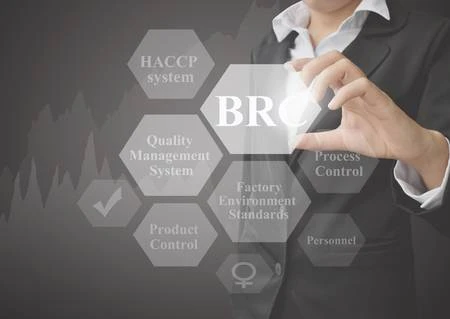
BRC Certification is one of the most important certifications for businesses in the food industry. It ensures that companies meet the highest standards for food safety. By obtaining this certification, businesses show that they follow strict food safety guidelines, protecting consumers and gaining trust from suppliers and partners. This blog will explain how achieving BRC Certification for food safety can lead to success for your business. You will learn how to navigate through the process, why it's beneficial, and how a food safety audit can help you maintain high standards.
Understanding BRC Certification
BRC Certification, also known as the British Retail Consortium Certification, is a globally recognized standard for food safety. This certification is essential for businesses that want to meet international food safety regulations and improve their marketability. It shows that a company consistently produces safe food products by following established guidelines and procedures.
The Process of Achieving BRC Certification
To achieve BRC Certification, a company must go through a rigorous assessment process. The first step is to implement an effective food safety management system. This system involves creating written procedures for every aspect of food production, from sourcing raw materials to delivering the final product. It’s essential to document these procedures, so everyone in the company knows how to follow them.
Once the system is in place, businesses must undergo an external audit by a certified auditor. During the audit, the auditor reviews the company’s food safety procedures, checks for compliance with BRC standards, and assesses the effectiveness of the safety measures. If everything meets the required standards, the company will receive BRC Certification.
Benefits of BRC Certification
There are several benefits to achieving BRC Certification. First, it ensures that your company meets internationally recognized food safety standards. This can increase consumer confidence and improve your brand’s reputation. Moreover, BRC Certification can help you gain a competitive edge in the market by showing potential clients that you prioritize food safety. Many large retailers and suppliers require their partners to have BRC Certification before they can do business with them, so it’s also an essential step toward building valuable partnerships.
BRC Certification also helps businesses improve their internal processes. Through the certification process, companies identify areas where they can improve efficiency, reduce waste, and increase productivity. This leads to better overall performance and cost savings, which ultimately supports business growth.
The Role of Food Safety Audits in Achieving Success
A food safety audit is a critical component of the BRC Certification process. It provides an objective assessment of a company’s food safety practices. Regular audits ensure that food safety procedures are consistently followed, preventing potential risks and violations.
Preparing for a Food Safety Audit
Before a food safety audit, businesses need to ensure that all procedures and records are up to date. This includes reviewing sanitation practices, checking equipment maintenance schedules, and ensuring that all employees are properly trained in food safety protocols. A successful audit requires that a company demonstrates complete adherence to BRC standards.
It’s also important to conduct internal audits regularly. This allows businesses to identify and address any potential issues before the external audit. By maintaining a proactive approach to food safety, companies can improve their chances of passing the audit and receiving BRC Certification.
Maintaining Food Safety Standards
Once a business achieves BRC Certification, it’s essential to continue maintaining high food safety standards. This involves continuous monitoring and regular audits to ensure ongoing compliance. The company must also keep up with any updates to BRC standards and adjust their procedures as needed. Regular food safety audits are necessary to make sure the company remains compliant with the certification requirements.
Key Elements of a Successful BRC Certification Program
Achieving and maintaining BRC Certification requires a commitment to continuous improvement. There are several key elements that businesses need to focus on to succeed in the certification process:
- Management Commitment – Company leaders must support food safety initiatives and allocate the necessary resources to implement effective food safety procedures.
- Employee Training – Staff should be properly trained on food safety standards and how to follow established procedures.
- Documentation – Clear and accurate documentation is essential for food safety management. This includes written procedures, training records, and audit reports.
- Continuous Improvement – Businesses must regularly review their processes and make improvements to maintain compliance with BRC standards.
FAQs
What is BRC Certification for food safety?
BRC Certification is an internationally recognized food safety standard that helps businesses ensure their food products are safe for consumption. It requires companies to implement strict food safety measures and undergo regular audits.
How does a food safety audit work?
A food safety audit involves an external assessor reviewing a company’s food safety practices and procedures. The audit ensures that the company complies with established food safety standards and helps identify areas for improvement.
Why is BRC Certification important for businesses?
BRC Certification is important because it demonstrates that a company is committed to producing safe food products. It helps build trust with customers, suppliers, and retailers, and it is often a requirement for doing business with large companies.
How often should businesses undergo food safety audits?
Food safety audits should be conducted regularly, with many businesses opting for annual or semi-annual audits. These audits help ensure that food safety standards are consistently met and that the company remains compliant with BRC Certification requirements.
Conclusion
BRC Certification is a vital step for businesses in the food industry to demonstrate their commitment to food safety. Achieving this certification not only ensures compliance with international standards but also helps improve the company’s market reputation and operational efficiency. Food safety audits play a crucial role in maintaining high standards and ensuring that businesses remain compliant with BRC guidelines. By focusing on continuous improvement, businesses can successfully achieve BRC Certification and enjoy long-term success in the competitive food industry.































Sign in to leave a comment.