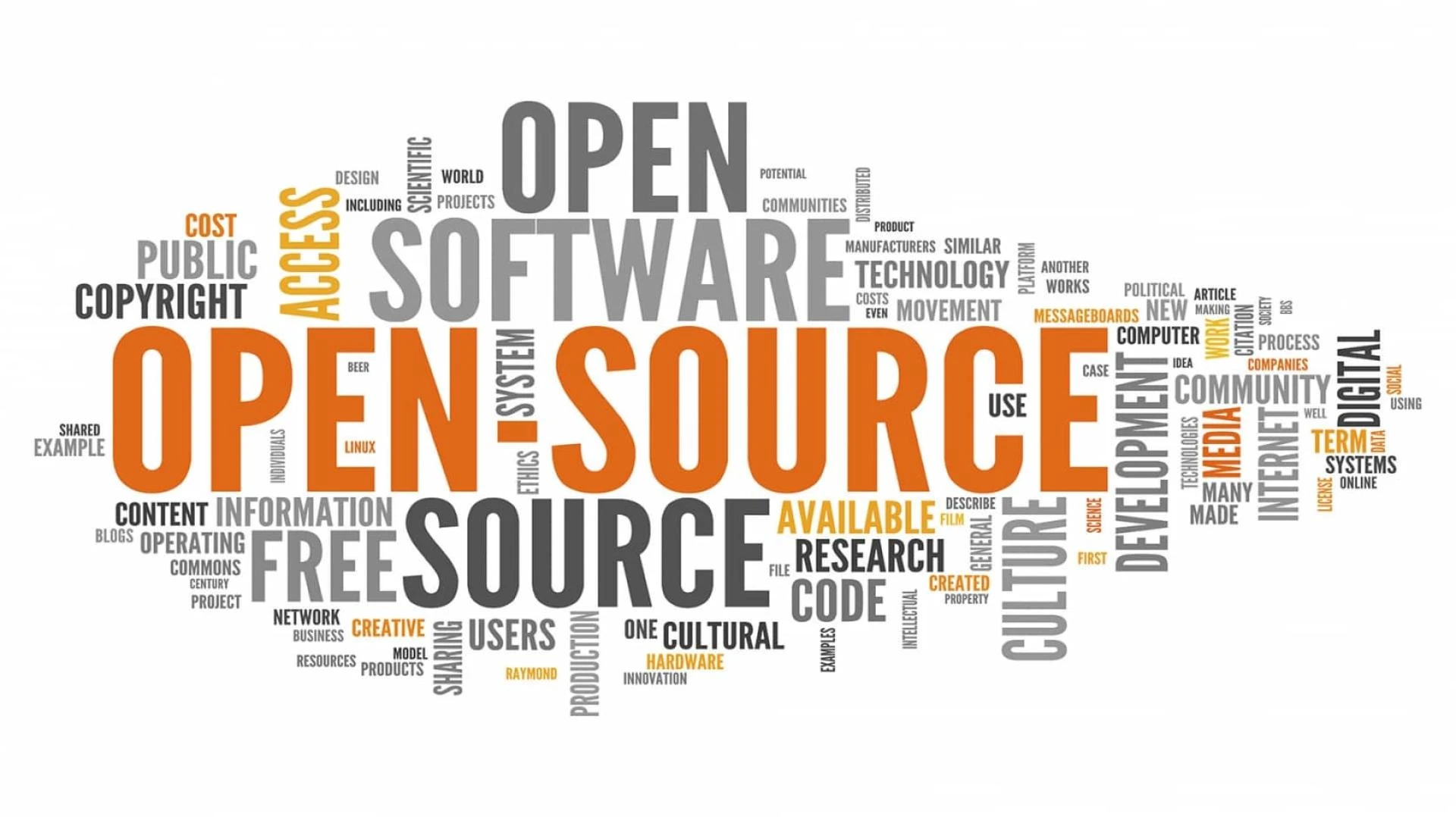

In the ever-evolving landscape of technology and science, the concept of open sources has emerged as a pivotal force driving innovation, collaboration, and progress. From software development to scientific research and beyond, open sources have transcended traditional boundaries, democratizing access to knowledge, fostering creativity, and revolutionizing industries.
Unveiling the Power of Open Sources
Open sources, characterized by transparency, accessibility, and inclusivity, encompass a wide array of initiatives and projects. At its core, the ethos of openness encourages the sharing of ideas, data, and resources without constraints, paving the way for collective intelligence and breakthrough discoveries.
1. Open Source Software: Empowering Innovation
In the realm of software development, open source has become synonymous with innovation and agility. Platforms like GitHub and GitLab have democratized coding, allowing developers worldwide to collaborate on projects, contribute enhancements, and build upon existing solutions. From the ubiquitous Linux operating system to the versatile WordPress content management system, open source software has permeated every facet of technology, offering scalable, customizable, and cost-effective solutions.
2. Open Access Research: Accelerating Discovery
In academia and scientific research, open access initiatives have democratized knowledge dissemination, fueling interdisciplinary collaboration and accelerating discovery. ArXiv and PubMed Central are prime examples of platforms that provide free, unrestricted access to scholarly articles, fostering global collaboration and advancing scientific inquiry. By removing paywalls and promoting open sharing of research findings, open access initiatives promote transparency, reproducibility, and innovation across diverse fields, from medicine to astrophysics.
3. Open Hardware: Redefining Possibilities
Beyond software and research, the ethos of openness extends to hardware, catalyzing the rise of open hardware initiatives and collaborative manufacturing ecosystems. Projects like Arduino and Raspberry Pi have democratized hardware prototyping, enabling enthusiasts, educators, and entrepreneurs to experiment, innovate, and create without barriers. Open hardware platforms not only empower individuals to bring their ideas to life but also foster a culture of knowledge exchange, skill-building, and community-driven innovation.
The Impact of Open Sources
The widespread adoption of open sources has sparked a paradigm shift in how technology, science, and innovation are perceived and pursued. By dismantling traditional barriers to entry, open sources have democratized access to resources, empowered diverse communities, and catalyzed disruptive breakthroughs across industries.
1. Democratizing Access to Knowledge
One of the most profound impacts of open sources is its ability to democratize access to knowledge and information. In a world where education and expertise were once confined to privileged few, open sources have leveled the playing field, empowering individuals from all walks of life to learn, innovate, and contribute to global progress. Whether it's a budding programmer accessing free coding tutorials on GitHub, a researcher in a developing country accessing groundbreaking scientific papers on ArXiv, or a DIY enthusiast experimenting with open hardware projects, the democratization of knowledge has unlocked infinite possibilities and paved the way for a more equitable and inclusive society.
2. Fostering Collaboration and Innovation
Open sources thrive on collaboration, with communities of developers, researchers, and enthusiasts coming together to solve complex problems, share insights, and drive innovation forward. By embracing principles of openness, transparency, and inclusivity, open source initiatives foster a culture of collaboration, where individuals can leverage collective intelligence, build upon each other's work, and co-create solutions that transcend individual capabilities. Whether it's through collaborative coding on GitLab, crowdsourced data analysis on Kaggle, or community-driven development of open hardware projects, the power of collaboration is evident in the transformative impact of open sources on technology, science, and society at large.
3. Catalyzing Disruptive Breakthroughs
From disruptive startups to groundbreaking research endeavors, open sources have served as catalysts for transformative breakthroughs that challenge the status quo and redefine what's possible. By providing unfettered access to tools, resources, and knowledge, open sources empower innovators to push the boundaries of creativity, explore uncharted territories, and pioneer new frontiers of technology and science. Whether it's the revolutionary advancements in artificial intelligence driven by open source frameworks like TensorFlow and PyTorch, the democratization of genomic research enabled by open access to DNA sequencing data, or the democratization of space exploration fueled by open hardware initiatives like CubeSat, open sources continue to fuel a wave of disruptive innovation that transcends borders, disciplines, and limitations.
Embracing the Future of Open Sources
As we stand on the cusp of a new era defined by rapid technological advancement and global interconnectedness, the importance of open sources in shaping the future cannot be overstated. From fostering collaboration and innovation to democratizing access to knowledge and driving disruptive breakthroughs, open sources are poised to play a pivotal role in shaping the trajectory of technology, science, and society for generations to come.
1. Cultivating Openness and Inclusivity
To harness the full potential of open sources, it is imperative to cultivate a culture of openness, inclusivity, and diversity within our communities and institutions. By embracing diverse perspectives, fostering inclusive environments, and removing barriers to participation, we can unlock the collective genius of humanity and drive meaningful progress towards a more equitable, sustainable, and prosperous future for all.
2. Championing Open Source Initiatives
As individuals, organizations, and policymakers, we have a collective responsibility to champion open source initiatives, advocate for policies that promote openness and transparency, and invest in projects that advance the frontiers of knowledge and innovation. Whether it's through supporting open access publishing models, contributing to open source software projects, or championing open hardware initiatives, each of us has a role to play in shaping a future where openness is not just a principle but a guiding ethos that fuels human progress.
3. Collaborating Towards a Shared Future
In an increasingly interconnected world, collaboration is key to realizing the full potential of open sources and driving meaningful change at scale. By forging partnerships, sharing resources, and pooling our collective expertise, we can tackle some of the most pressing challenges facing humanity, from climate change and healthcare disparities to social inequality and technological disruption. Together, we can harness the transformative power of open sources to build a more sustainable, inclusive, and prosperous future for all.
In conclusion, the rise of open sources represents a paradigm shift in how we approach technology, science, and innovation. By fostering collaboration, democratizing access to knowledge, and catalyzing disruptive breakthroughs, open sources have the potential to shape the future of humanity in profound and unprecedented ways. As we embrace the opportunities and challenges of this new era, let us strive to cultivate a culture of openness, inclusivity, and collaboration that empowers us to realize our shared vision of a better tomorrow.

































Sign in to leave a comment.