
Breathing is one of the most fundamental functions of our bodies, yet it's something many of us take for granted. When respiratory issues arise, they can significantly impact our daily lives, from simple tasks to more strenuous activities. This is where pulmonary treatment steps in, offering hope and relief for those struggling with respiratory conditions.
Understanding Pulmonary Conditions
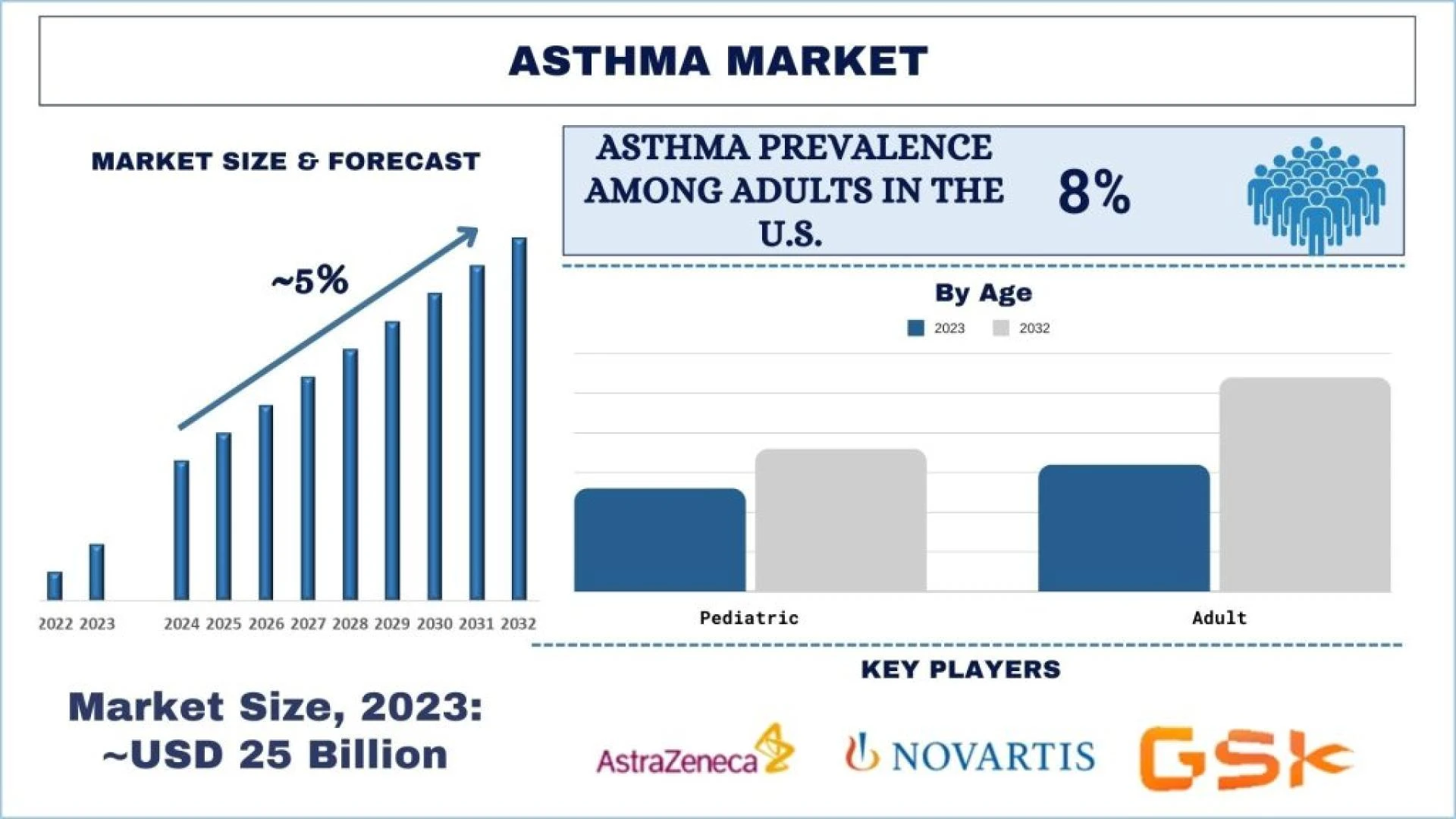
To comprehend the significance of pulmonary treatment, it's essential to first grasp the nature of common pulmonary conditions. Conditions like asthma, chronic obstructive pulmonary disease (COPD), and bronchitis affect millions worldwide. These conditions primarily involve inflammation and narrowing of the airways, making it harder to breathe.
Types of Pulmonary Treatments
There are various approaches to pulmonary treatment, ranging from medication-based solutions to non-pharmacological interventions.
Pharmacological Treatments
Medications play a crucial role in managing pulmonary conditions. Bronchodilators, for instance, help relax the muscles around the airways, allowing for easier breathing. Corticosteroids, on the other hand, help reduce inflammation in the lungs, providing relief for conditions like asthma. It's important to note that these medications should be prescribed and supervised by a healthcare professional, as they may have potential side effects.
Non-Pharmacological Treatments
Beyond medications, non-pharmacological treatments can greatly enhance lung function. Pulmonary rehabilitation programs, which encompass exercise routines and education on managing respiratory conditions, have shown remarkable success. Additionally, physical therapy and specific breathing exercises can be invaluable tools in improving lung function and overall quality of life.
Effectiveness of Pulmonary Treatment
Scientific evidence overwhelmingly supports the effectiveness of pulmonary treatments. Studies have consistently demonstrated improved lung function, reduced symptom severity, and enhanced overall well-being in individuals undergoing these treatments. Personal testimonials further underscore the positive impact pulmonary treatment can have on one's life.
Individualized Treatment Plans
It's important to recognize that no two cases are alike. What works for one person may not be the best approach for another. This is why personalized treatment plans are paramount. Healthcare providers play a crucial role in crafting and adjusting these plans based on a thorough evaluation of the individual's specific condition, medical history, and lifestyle.
Lifestyle Changes for Respiratory Health
In conjunction with formal treatments, lifestyle adjustments can significantly contribute to better respiratory health. Avoiding smoking and exposure to environmental irritants is paramount. For those with allergies, effective management and avoidance of triggers can make a world of difference. Regular physical activity, tailored to individual capabilities, not only promotes overall health but also aids in maintaining strong respiratory function.
Conclusion
In the quest for better respiratory health, pulmonary treatment emerges as a beacon of hope. With a deep understanding of pulmonary conditions, a range of effective treatments, and a commitment to personalized care, individuals can embark on a path to breathing easier and living a fuller, more vibrant life.
Remember, always consult with a healthcare professional for personalized advice and treatment. Your journey to optimal respiratory health starts with the guidance of a qualified medical expert.




Sign in to leave a comment.