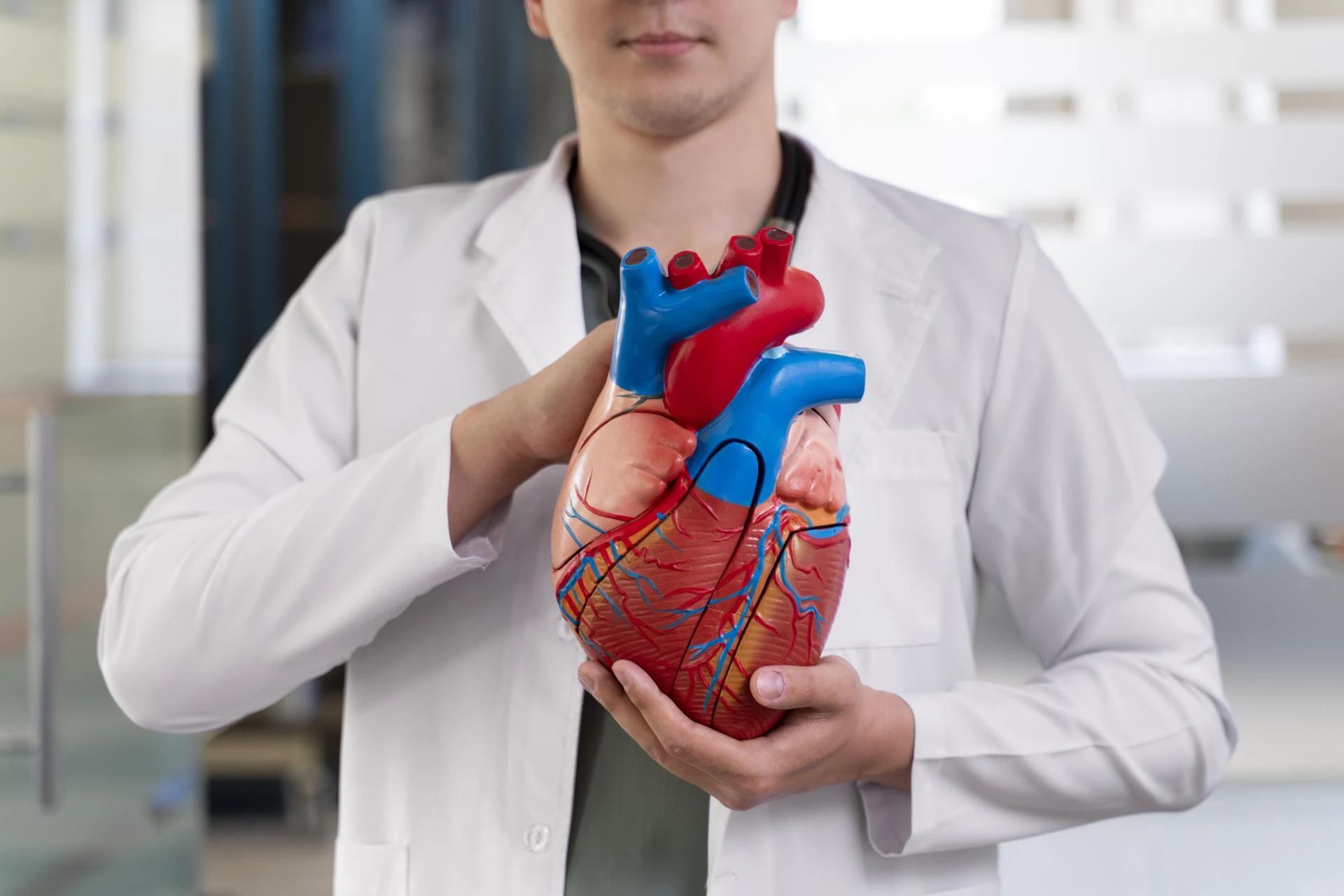

What is Cardiovascular Technology?
Cardiovascular technology is a specialised field in medical and allied sciences focusing on diagnosing and treating conditions related to heart and blood vessels. Professionals in this field, known as cardiovascular technologists or technicians, work closely with cardiologists and other healthcare providers to perform tests and procedures that help assess and monitor heart health. To meet the growing demand for skilled professionals in this life-saving domain, many top universities now offer a B.Sc. (Hons.) Cardiovascular Technology programme.
A cardiovascular technologist is a medical professional that helps detect, diagnose and treat conditions related to the blood vessels and heart. They use various diagnostic tools to detect and diagnose vascular problems and ailments affecting the arteries and heart.
B.Sc. (Hons.) Cardiovascular Technology Course Details
With the ongoing increase in the number of heart patients in India, there has been a huge demand for skilled cardiology professionals who can screen and diagnose heart patients. With this course, students build a strong foundation in cardiovascular technologies and patient care. The B.Sc. (Hons.) Cardiovascular technology details are discussed below:
Particulars
Details
Programme Name
B.Sc. (Hons.) Cardiovasular Technology
Duration
4 Years
Programme Type
Undergraduate
Top Recruiters
AIIMS, Manipal Hospital, Fortis Healthcare, Indian Council of Medical Research
B.Sc. (Hons.) Cardiovascular Technology Eligibility Criteria
The eligiblility criteria for B.Sc. (Hons.) Cardiovascular Technology programme is a candidate must have passed the Higher Secondary (10+2), or equivalent examination recognized by any Indian University or a duly constituted Board with minimum 50% aggregate marks in PCM (Physics, Chemistry and Mathematics) / PCB (Physics, Chemistry and Biology) / PCMB (Physics, Chemistry, Mathematics and Biology.
K.R. Mangalam University: Best University for B.Sc. (Hons.) Cardiovascular Technology
K.R. Mangalam University is widely recognised for offering a well-designed curriculum with exceptional facilities. With a strong emphasis on experiential learning and industry-aligned education, KRMU ensures that students receive comprehensive academic and practical exposure. The university offers a dynamic learning environment where innovation, research, and professional growth go hand in hand. K.R. Mangalam University is considered one of the best universities in Delhi NCR for various reasons some of the basic reasons are mentioned below:
- 1:1 Mentorship
- 100% Scholarship and Financial Assistance
- Advanced Curriculum designed under the guidance of healthcare professionals
- Global Networking Opportunities
- State-of-the-art-infrastructure
B.Sc. (Hons.) Cardiovascular Technology Syllabus
The B.Sc. (Hons.) Cardiovascular Technology is a dynamic and evolving programme designed to provide students with a strong foundation in both practical and theoretical aspects of the field. Spanning eight semesters, the curriculum at KRMU covers essential subjects that equip students with the knowledge and skills required for a successful career in cardiovascular technology.
Year 1
Semester 1
Elementary Biology & Medical terminology
Human Anatomy & Physiology
Applied Anatomy, Physiology, Pharmacology in Cardiac Care
Accounting and Finance
Communication Skills
Introduction to Quality and patient safety
Introduction to Computing
Semester 2
Basic Electrocardiography
General Microbiology
Biochemistry (Biochemical Metabolism)
Healthcare Informatics and Data Analytics
Critical Thinking
Environmental Sciences
Basic Life Support, Vital Signs, Basic ECG
Year 2
Semester 3
Preventive and Social Medicine
Basic Echocardiography
Medical Instrumentation relevant to Cardiac care
Cardiovascular diseases pertinent to Cardiac care Technology
Cultural Diversity in the Indian Society
Medical Documentation and Record Keeping
Medical Ethics & Legal Aspects
Mental Health & Emotional Intelligence
Semester 4
Biomedical Waste Management
Development of Cardiovascular system: Fetal & Neonatal
Advanced Electrocardiography
Advanced Echocardiography
Invasive Cardiology
Disaster Management
Basic Life Support, Vital Signs, Basic ECG
Campus to Corporate (Bedside Manners & PoSH)
Year 3
Semester 5
Cardiac Catheterisation
ACLS
Research Methodology & Biostatistics-I
Semester 6
Pediatric Interventions
Treadmill exercise stress testing and 24-hour recording
Internship Evaluation
Year 4
Semester 7
Research Project
Semester 8
Internship
B.Sc. Cardiovascular Technology Scope
Students who graduate with a B.Sc. Cardiovascular Technology develop a thorough understanding of therapeutics, disease, diagnosis and cardiac anatomy. Upon completion of the course, one can pursue higher education or look for trending job opportunities in the government or private sector. The estimated average salary varies as per the job profile, location, specialisation and organisation.
Some of the popular job opportunities after completing a B.Sc. Cardiovascular Technology course are:
- Cath Lab Technician
- Cardiovascular Technologist
- Cardiac Sonographer (Echocardiographer)
- Cath Lab Technician
- ECG Technician
- Stress Test Technician
- Pacemaker Technician
- Clinical Research Associate
- Medical Equipment Specialist
- Hospital Administrator
- Healthcare Consultant
Conclusion
The field of Cardiovascular Technology presents a promising and rewarding career path for aspiring healthcare professionals. With the rising prevalence of heart-related conditions in India, the demand for skilled cardiovascular technologists continues to grow.





























Sign in to leave a comment.