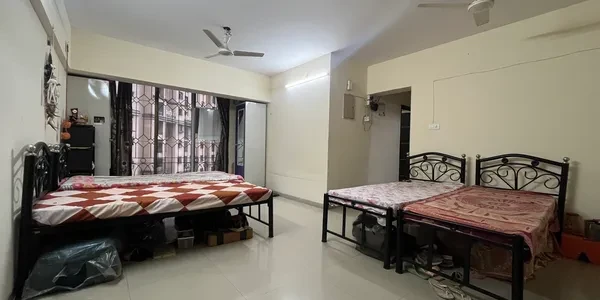

Living as a paying guest can be a financially savvy option, but it requires careful budgeting to make the most of your stay. Whether you\'re a student, a young professional, or someone new to a city, managing your expenses effectively is key to ensuring a comfortable and stress-free experience. In this guide, we\'ll explore practical budgeting tips to help you save money and maximize your quality of life while living as a paying guest. Looking for a Pg in Andheri West Discover comfortable and convenient options tailored to your needs in this vibrant Mumbai neighborhood.
Smart Strategies
- Set a Realistic Budget: Start by assessing your monthly income and fixed expenses. Allocate a portion of your budget for rent, utilities, groceries, transportation, and other essentials. Be realistic about your spending habits and prioritize your needs over wants.
- Research Options: Compare paying guest accommodations based on rent, location, amenities, and included utilities. Look for deals or discounts offered by landlords or agencies. Consider factors like proximity to your workplace or university to save on transportation costs.
- Negotiate Rent and Terms: Don\'t hesitate to negotiate rent with your landlord, especially if you plan to stay long-term. Ask if there\'s room for flexibility in rental rates or if any utilities can be included in the rent to simplify budgeting.
- Share Expenses with Roommates: If you\'re sharing accommodation with roommates, discuss sharing expenses like groceries, utilities, and household essentials. Pooling resources can significantly reduce individual costs and create a sense of community.
- Cook Meals at Home: Eating out frequently can quickly drain your finances. Opt for home-cooked meals whenever possible. Plan your grocery shopping, cook in bulk, and pack lunches for work or school to save money on dining expenses.
- Minimize Utility Usage: Be mindful of your electricity, water, and gas consumption to keep utility bills low. Turn off lights and appliances when not in use, take shorter showers, and consider energy-efficient appliances to reduce your environmental footprint and save money.
- Explore Public Transportation: Utilize public transportation or cycling as cost-effective alternatives to owning a car. Invest in a monthly or weekly transit pass if you frequently commute. Carpooling with roommates or colleagues can also help split transportation costs.
- Limit Entertainment Expenses: Find free or low-cost activities for entertainment, such as exploring parks, attending community events, or joining clubs and groups with shared interests. Take advantage of student discounts or special promotions to save on movie tickets, concerts, or recreational activities.
- Track Your Spending: Keep track of your expenses using budgeting apps or spreadsheets. Review your spending regularly to identify areas where you can cut back and adjust your budget accordingly. Set financial goals and monitor your progress to stay motivated.
- Emergency Fund: Build an emergency fund to cover unexpected expenses like medical bills, car repairs, or job loss. Aim to save at least three to six months worth of living expenses in a separate savings account for peace of mind.
Conclusion
Living as a paying guest doesn\'t mean sacrificing comfort or financial stability. By implementing these budgeting tips, you can effectively manage your expenses, save money, and make the most of your paying guest experience. With careful planning and smart financial decisions, you\'ll enjoy a fulfilling and financially sustainable lifestyle.
Sign in to leave a comment.