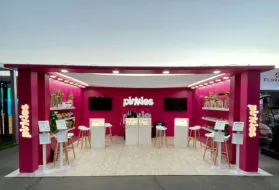

Marketing channels continue to multiply, yet face-to-face interactions remain one of the strongest ways to build trust. Digital campaigns introduce a brand, while live events allow prospects to experience its personality, values, and expertise firsthand. Whether a company participates in industry expos, conferences, product launches, or business conventions, every event presents an opportunity to reinforce its identity.
Many organizations invest heavily in visual assets and promotional materials, but overlook one critical factor - consistency. A memorable event does not rely on impressive graphics alone. Every touchpoint, from the first invitation to the final follow-up email, shapes how attendees perceive a brand.
This is where a brand experience agency adds lasting value. Rather than treating each event as an isolated marketing activity, it develops a cohesive experience that reflects the company's identity before, during, and after the event.
Consistency Builds Recognition
Customers interact with brands through websites, advertisements, social media, email campaigns, and customer service. Live events become another chapter in that ongoing relationship.
If an exhibition booth communicates a completely different message from the company's digital presence, visitors often experience confusion instead of confidence.
Consistency extends across several elements:
- Brand messaging
- Visual identity
- Tone of communication
- Customer interactions
- Product demonstrations
- Printed materials
- Digital presentations
When these components work together, visitors recognize the brand instantly and connect each interaction with previous experiences.
Recognition often leads to familiarity, and familiarity strengthens trust.

Events Begin Long Before Opening Day
Successful exhibitions rarely start when doors open.
Preparation begins weeks or even months earlier through coordinated marketing efforts that create anticipation and encourage attendance.
Pre-event strategies may include:
- Email invitations
- Social media announcements
- Appointment scheduling
- Speaker promotions
- Product teasers
- Event landing pages
- Customer outreach campaigns
Every communication establishes expectations for what visitors will experience onsite.
A strategic brand experience agency ensures those expectations align with the event itself, creating a seamless transition from digital engagement to face-to-face interaction.
Purpose Shapes Better Design Decisions
Large displays and eye-catching graphics attract attention, but purposeful planning determines whether visitors remain engaged.
Every successful exhibition booth design begins by answering several practical questions:
- Who is the target audience?
- Which products deserve the greatest visibility?
- What conversations should sales teams initiate?
- Which business objectives define success?
- How should visitors move through the space?
Design choices become more effective when they support specific business goals rather than simply filling available floor space.
Open layouts, comfortable meeting areas, product demonstration zones, and clear navigation all contribute to productive conversations.
Every Team Member Represents the Brand
Visitors rarely separate employee interactions from the company itself.
Friendly greetings, knowledgeable conversations, and thoughtful recommendations often leave stronger impressions than elaborate displays.
Organizations strengthen event performance by preparing staff to:
- Welcome visitors naturally.
- Listen before presenting solutions.
- Explain products clearly.
- Maintain consistent messaging.
- Record useful lead information.
- Guide conversations toward customer needs.
Around every 200 words, businesses partnering with a brand experience agency recognize that employee preparation deserves as much attention as booth construction.
People remain the most influential part of any event experience.
Content Plays an Important Role
Educational content attracts attendees who seek solutions rather than sales pitches.
Businesses often increase engagement by offering valuable resources such as:
- Industry reports
- Buying guides
- Technical demonstrations
- Product comparison sheets
- Educational presentations
- Case studies
- Interactive workshops
Useful content positions a company as a trusted resource instead of another exhibitor competing for attention.
Visitors appreciate practical insights they can apply long after the exhibition concludes.
Design for Conversation, Not Crowds
An attractive booth may generate traffic, yet meaningful discussions create stronger business opportunities.
An effective exhibition booth design encourages visitors to pause, explore, and interact without feeling overwhelmed. Several design principles support this objective:
Create Clear Entry Points
Visitors hesitate when booths appear crowded or difficult to enter. Open corners and visible walkways invite exploration.
Reduce Visual Noise
Large blocks of text often discourage engagement. Concise messaging allows staff members to expand naturally during conversations.
Support Demonstrations
Dedicated demonstration areas encourage hands-on learning while preventing congestion around entrances.
Include Comfortable Meeting Spaces
Private discussions often lead to higher-quality business conversations than those in busy aisles. Every design decision supports a smoother visitor journey.
Adapt to Different Industries
Each industry approaches exhibitions differently. Healthcare companies often prioritize education and compliance. Technology organizations frequently emphasize innovation through demonstrations. Manufacturing exhibitors may focus on machinery, engineering expertise, or operational efficiency.
Professional service providers often build relationships through consultations rather than product displays. Because audience expectations vary, event strategies benefit from industry-specific planning instead of standardized solutions.
Flexible planning allows exhibitors to communicate more effectively with their intended audience.
Measure More Than Lead Volume
Lead quantity provides useful information and better business insight.
Organizations improve future event performance by evaluating metrics such as:
- Qualified opportunities
- Meeting attendance
- Product demonstration requests
- Visitor engagement duration
- Customer feedback
- Repeat booth visits
- Partnership discussions
- Sales pipeline progression
Reviewing multiple performance indicators creates a clearer understanding of what drives meaningful business outcomes.
Data gathered during one exhibition often improves planning for the next.
Sustainability Strengthens Brand Reputation
Environmental responsibility increasingly influences purchasing decisions across many industries.
Event organizers and exhibitors alike continue to explore sustainable practices that reduce waste while maintaining a professional presentation.
Examples include:
- Modular exhibit systems
- Reusable display components
- Digital brochures
- Energy-efficient lighting
- Recyclable graphics
- Reusable flooring
- Reduced printed materials
A carefully planned exhibition booth design supports sustainability without compromising functionality or visual impact.
Visitors often appreciate brands that demonstrate environmental responsibility through practical actions rather than promotional claims.
Technology Supports Human Interaction
Technology continues transforming live events, yet successful exhibitions still revolve around meaningful conversations.
Digital tools improve efficiency when they simplify engagement rather than replace personal interaction.
Examples include:
- Interactive product catalogs
- Digital lead capture
- Appointment scheduling applications
- Touchscreen product exploration
- QR code resource libraries
- Live product simulations
Technology enhances the visitor experience by delivering information quickly while allowing sales teams to focus on relationship-building.
Balance remains essential. Personal conversations continue driving the strongest business outcomes.
Plan Beyond a Single Event
Every exhibition contributes to a broader marketing strategy. Organizations strengthen long-term performance by maintaining consistency across multiple events while refining each experience through continuous improvement.
Post-event evaluation often includes:
- Internal team reviews
- Customer surveys
- Sales feedback
- Booth performance analysis
- Marketing campaign results
- Budget assessment
These insights reveal opportunities to improve messaging, staffing, logistics, and visitor engagement before the next exhibition.
Businesses that treat every event as a learning opportunity often achieve stronger results over time.
Strong Experiences Create Lasting Business Relationships
Industry events remain valuable because they bring people together in ways digital communication cannot fully replicate. Every conversation, demonstration, and interaction contributes to how customers remember a company long after an exhibition closes.
Partnering with a brand experience agency helps organizations create consistent, meaningful experiences that reflect their identity across every stage of the event journey. Combined with thoughtful exhibition booth design, strategic planning transforms exhibitions from short-term marketing activities into long-term relationship-building opportunities.
Companies that prioritize authenticity, preparation, and consistency often leave a stronger impression than those relying solely on larger displays or louder promotions. In today's competitive exhibition landscape, memorable experiences remain one of the most effective ways to build trust, strengthen brand recognition, and create lasting business value.
























Sign in to leave a comment.