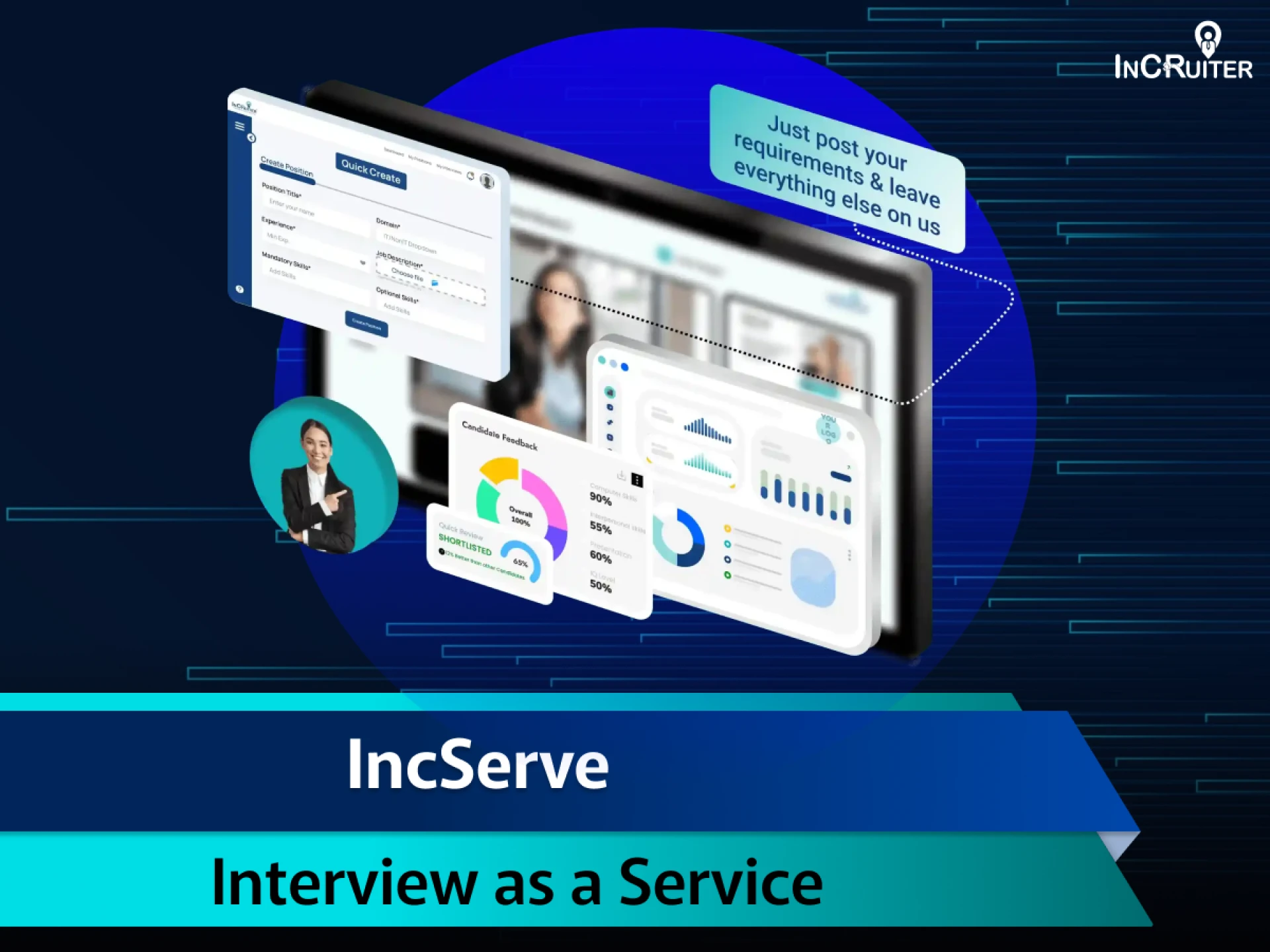

Building a remote-first culture is becoming a strategic focus for many firms in today's digital age. A remote-first strategy allows businesses to hire the best talent from anywhere, enabling a diverse, inclusive, and flexible workplace. However, as remote work becomes more prevalent, firms must modify their recruitment processes to reflect their fundamental values and operational requirements.
This is where video interview software and Interview as a Service (IaaS) come in handy. These solutions not only improve the recruitment process's efficiency and scalability, but they also assist remote-first firms in maintaining a coherent culture, engaging candidates authentically, and ensuring a flawless hiring experience. Let's look at how these technologies align with a remote-first mindset and help to reinforce your company's principles.
1. Emphasizing Flexibility and Work-Life Balance
Remote-first organizations frequently prioritize flexibility, allowing employees to work from anywhere and at any time that works best for them. When it comes to hiring, this value should be expressed in the interview process.
Video interview software facilitates this flexibility by allowing candidates to participate in interviews from anywhere. Candidates no longer have to fly or reschedule for in-person interviews, which is very important when working with multiple time zones. Asynchronous video interviews, in which candidates record their responses at their leisure, can further encourage this flexibility, resulting in a seamless and convenient procedure for both the candidate and the hiring team.
This flexibility reinforces your remote-first ideals by providing a candidate experience that reflects the autonomy and adaptability that employees enjoy once hired.
2. Promoting Diversity and Inclusivity
Remote-first firms frequently prioritize diversity and inclusivity, to establish an atmosphere in which talent from all backgrounds may thrive. Video interview software is an effective technique for fostering diversity by removing regional and physical barriers to employment. It allows businesses to cast a broader net when hiring, providing them access to a worldwide talent pool that they might not have been able to tap into through traditional, in-person interviews.
Furthermore, video interview platforms frequently include blind recruiting options (where personal information like as gender, race, and age is hidden), which aids in the reduction of unconscious bias in the hiring process. This guarantees that candidates are evaluated based on their abilities, experience, and cultural fit instead than superficial characteristics, further aligning with the values of inclusivity and equal opportunity.
3. Strengthening Candidate Experience
In a remote-first organization, video interview software can have a significant impact on molding a favorable candidate experience. As recruiting shifts online, candidates will assess your organization based on how professional and user-friendly the virtual hiring process is. Video interviews contribute to a seamless and engaging experience in which candidates feel appreciated, heard, and valued, regardless of where they are located.
A well-designed video interview process, complete with clear instructions, user-friendly interfaces, and well-crafted interview questions, allows candidates to feel confident and comfortable throughout the process. This is critical for remote-first organizations because it sets the tone for how candidates will interact with the organization when they are hired, resulting in a friendly virtual environment.
4. Efficiency and Speed in Hiring
To remain competitive, remote-first organizations frequently rely on speed and efficiency when hiring. Companies can use Interview as a Service (IaaS) to swiftly scale their recruitment efforts while maintaining interview quality. IaaS offers professional interviewers who may conduct interviews on behalf of the organization, freeing up HR teams to focus on other strategic initiatives. This solution allows organizations to speed their employment pipeline while ensuring consistent quality in prospect review.
Remote-first businesses that use video interview software and IaaS can minimize scheduling constraints, expedite the interview process, and reduce time-to-hire, ensuring that top candidates do not fall through the cracks. The combination of automation and human touch makes recruitment more nimble and responsive to the needs of a remote workforce.
5. Cultural Fit and Long-Term Engagement
One of the problems for remote-first organizations is ensuring that new workers share the company's culture and values. Video interview software enables employers to evaluate candidates' personalities, communication styles, and problem-solving talents in ways that text-based applications or phone screenings cannot. Video interviews offer a more nuanced, authentic perspective on how prospects might fit into the company's remote culture.
Furthermore, firms might use video interviews to promote their remote work culture. By incorporating virtual team introductions, company overviews, and office tours (by video), hiring teams can provide candidates with a greater understanding of what it's like to work in their remote-first environment, which is critical for long-term engagement and retention.
6. Scalability and Cost Efficiency
Building a remote-first culture frequently necessitates quick team expansion, particularly if your firm is rapidly scaling. Interview as a Service (IaaS) enables businesses to efficiently handle rising hiring demand without incurring the costs of expanding internal recruitment teams. With access to qualified interviewers and expert assistance, IaaS allows organizations to scale their hiring process while maintaining quality and candidate experience.
The scalability of video interview software enhances this by allowing businesses to interview a large number of candidates without incurring additional costs such as travel fees. It's an affordable solution for remote-first businesses to interview candidates from all around the world while preserving consistency and efficiency.
7. Data-Driven Insights for Better Hiring Decisions
Both video interview software and Interview as a Service offer useful information that can help businesses make better hiring selections. Video interviews can be recorded and examined numerous times, allowing hiring managers to evaluate candidates more completely.
Furthermore, IaaS platforms frequently give performance metrics and interviewer comments, allowing organizations to identify strengths and areas for growth in their recruitment process.
By gathering data at each stage of the interview process, remote-first businesses can constantly improve their hiring strategy, ensuring that they attract and retain individuals who have the necessary abilities and connect with the company's values and long-term goals.
Conclusion: Aligning Recruitment with Remote-First Values
In the remote-first world, technology is an essential enabler of the values that distinguish these firms. Video interview software and Interview as a Service offers a formidable arsenal for remote-first businesses, allowing them to uphold their key values of flexibility, inclusivity, and efficiency throughout the employment process. Companies may use these technologies to attract top talent from anywhere, provide an engaging applicant experience, and guarantee that new personnel are culturally compatible.
As remote work evolves, businesses that match their hiring tactics with their remote-first values will be better positioned to succeed in an increasingly digitized, worldwide workforce.



























Sign in to leave a comment.