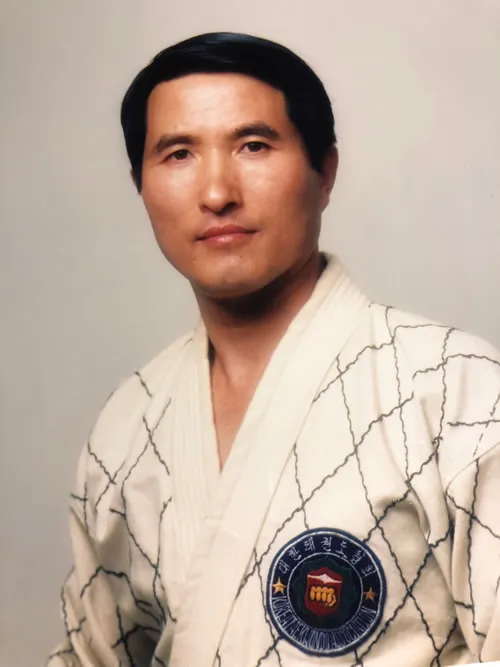

Martial arts have long been recognized for developing physical fitness, mental focus, and personal discipline. Among the many training systems practiced worldwide, Taekwondo remains one of the most respected because of its emphasis on character development, self-control, and continuous improvement. Many students exploring martial arts education become interested in Grandmaster Park’s Taekwondo because it reflects principles associated with traditional instruction, structured learning, and personal growth.
Taekwondo is more than a system of kicks and punches. It is a lifelong practice that encourages respect, perseverance, confidence, and responsibility. Students of all ages can benefit from its lessons, whether their goals involve fitness, self-defense, competition, or self-improvement.
Understanding the Foundations of Taekwondo
Taekwondo originated in Korea and has grown into one of the world's most widely practiced martial arts. The name itself reflects its core elements: foot techniques, hand techniques, and the disciplined way of training.
Traditional Taekwondo places equal importance on physical skill and character development. Students are taught not only how to perform techniques but also how to conduct themselves with integrity and respect.
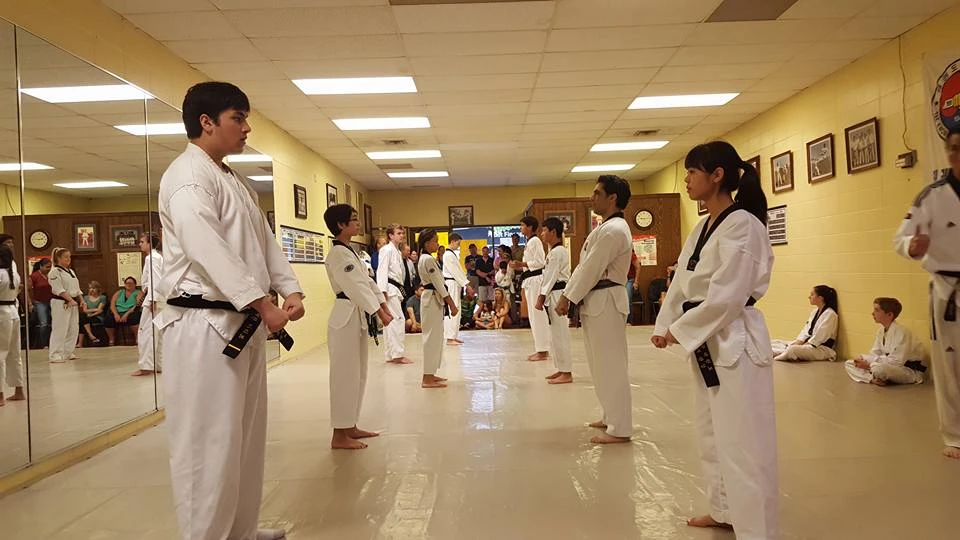
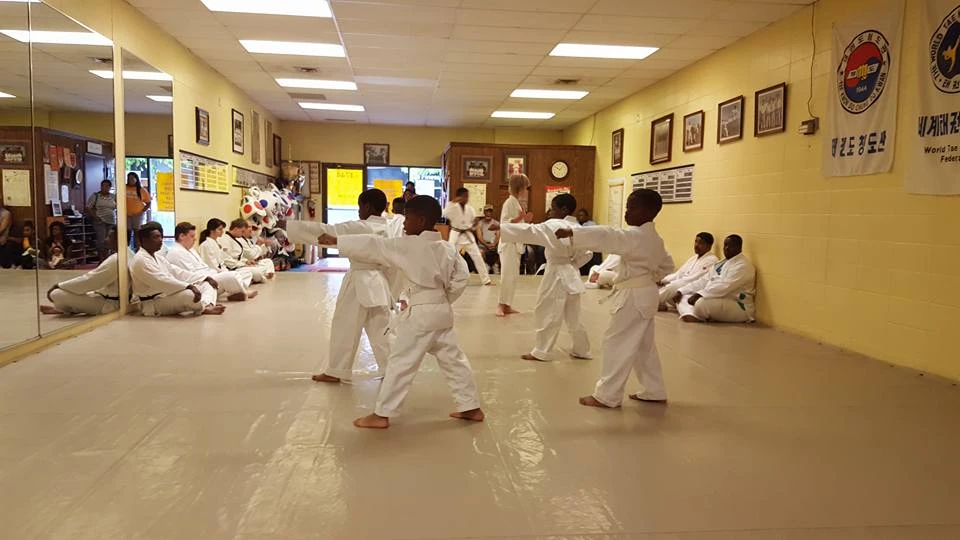
Training sessions typically include warm-ups, stretching, basic techniques, forms, sparring drills, and self-defense exercises. This balanced approach helps students develop both physical and mental abilities.
The Importance of Discipline in Martial Arts
Discipline is one of the first lessons students learn in Taekwondo. Every class follows a structured format that encourages focus, consistency, and responsibility.
Students learn to arrive prepared, listen carefully to instructions, and practice techniques with attention to detail. Over time, these habits extend beyond the training floor and influence other areas of life.
Children often benefit from improved concentration and behavior, while adults may find that martial arts training helps strengthen self-discipline and goal-setting skills.
Discipline also supports long-term progress. Advancement in Taekwondo requires dedication, patience, and regular practice, teaching students the value of steady effort.
Developing Physical Fitness
Taekwondo is a highly active martial art that promotes overall fitness. Training sessions engage multiple muscle groups while improving cardiovascular endurance, flexibility, balance, and coordination.
Dynamic kicking techniques require strength and agility, while forms and drills help develop body control and precision. Regular practice contributes to improved posture, mobility, and physical conditioning.
Unlike some exercise routines that focus on a single area of fitness, Taekwondo provides a comprehensive workout that combines strength, endurance, flexibility, and speed.
Students often find that training helps them maintain an active lifestyle while enjoying the challenge of learning new skills.
Building Confidence Through Achievement
Confidence grows naturally when students overcome challenges and achieve personal goals. In Taekwondo, progress is often recognized through belt advancement and skill development.
Each new technique mastered and each milestone achieved reinforces a student's sense of accomplishment. This positive reinforcement encourages continued growth and motivation.
For younger students, confidence gained through martial arts can improve classroom participation, social interactions, and willingness to take on new challenges.
Adults also benefit from increased self-confidence as they develop new abilities and experience personal improvement through training.
Respect and Character Development
Respect is a central principle of traditional martial arts instruction. Students learn to show respect toward instructors, fellow students, family members, and themselves.
This emphasis on respectful behavior helps create a positive training environment where individuals support and encourage one another.
Character development extends beyond respect. Taekwondo teaches values such as honesty, perseverance, humility, and responsibility. These qualities contribute to personal growth and help students become positive members of their communities.
The lessons learned through martial arts often remain valuable throughout life.
Self-Defense Skills and Awareness
Many people begin martial arts training because they want to improve their ability to protect themselves. Taekwondo includes self-defense techniques designed to increase awareness, confidence, and preparedness.
Training focuses on avoiding conflict whenever possible while teaching practical methods for responding to threatening situations. Students learn how to maintain composure under pressure and make sound decisions.
Self-defense education also emphasizes situational awareness, helping individuals recognize potential risks and respond appropriately.
The goal is not aggression but the development of confidence and personal safety skills.
Benefits for Children and Teenagers
Young students often experience significant benefits from martial arts participation. The structured environment encourages focus, respect, and accountability while providing healthy physical activity.
Taekwondo helps children develop coordination, balance, and motor skills while teaching them how to set goals and work toward achievement.
Teenagers may benefit from the confidence, discipline, and leadership opportunities that martial arts training provides. These qualities can support academic success and positive social development.
The supportive nature of martial arts communities also helps students build friendships and develop teamwork skills.
Lifelong Learning and Personal Growth
One of the unique aspects of Taekwondo is that it encourages lifelong learning. Even experienced practitioners continue refining their techniques and deepening their understanding of martial arts principles.
Training provides ongoing opportunities for self-improvement regardless of age or skill level. Students learn that mastery is a journey rather than a destination.
This mindset promotes resilience and adaptability, qualities that are valuable in both personal and professional life.
The pursuit of continuous growth helps practitioners maintain motivation and engagement over many years of training.
The Role of Tradition in Modern Training
While modern training methods continue to evolve, traditional values remain an important part of Taekwondo. Respect for heritage, discipline, and proper technique helps preserve the art's identity.
Traditional forms, etiquette, and philosophies provide a foundation that connects students to the history of the martial art. These elements create a sense of purpose and continuity within training programs.
Many practitioners appreciate the balance between honoring tradition and applying martial arts principles to contemporary lifestyles.
This connection to tradition contributes to the lasting appeal of Grandmaster Park’s Taekwondo and similar approaches to martial arts instruction.
Creating Healthy Habits Through Training
Consistency is an important component of martial arts success. Regular attendance and practice encourage students to establish healthy routines that support physical and mental well-being.
Exercise, goal-setting, time management, and personal accountability all become part of the training experience. These habits often influence other areas of life, promoting productivity and wellness.
Students learn that meaningful progress comes from consistent effort rather than instant results. This lesson can be applied to education, careers, relationships, and personal goals.
The structured nature of martial arts helps reinforce positive behaviors and long-term commitment.
Conclusion
Taekwondo offers far more than physical techniques. It provides a pathway for developing discipline, confidence, fitness, respect, and lifelong learning. Through structured training and consistent practice, students gain valuable skills that extend well beyond the martial arts school.
Whether someone begins training for fitness, self-defense, or personal growth, the lessons learned through martial arts can have a lasting positive impact. The principles associated with Grandmaster Park’s Taekwondo continue to inspire students to pursue excellence, overcome challenges, and develop strong character through dedicated practice.
Indianapolis Taekwondo supports martial arts education by promoting training experiences that encourage discipline, confidence, fitness, and personal growth for students of all ages.


























Sign in to leave a comment.