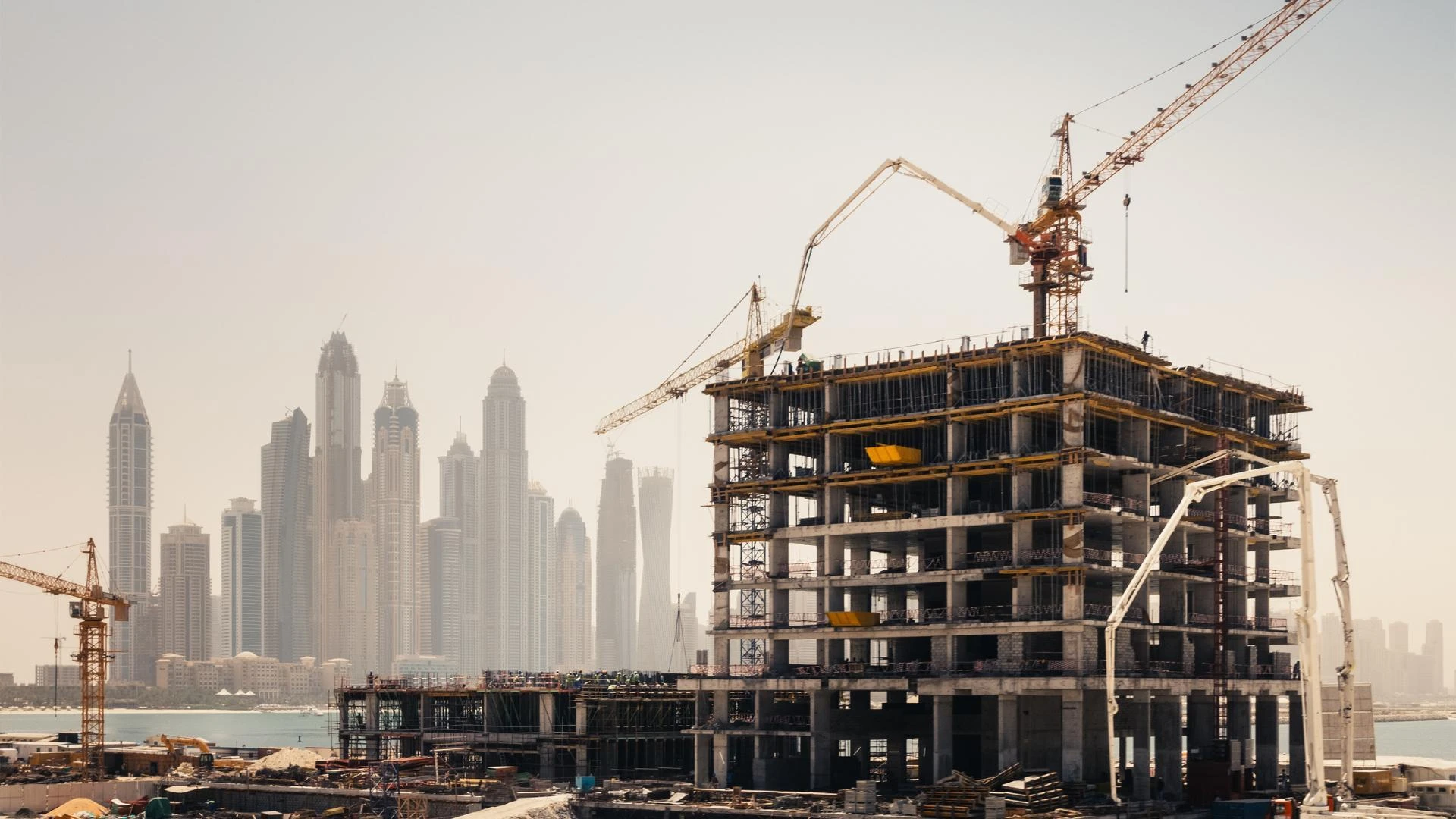

Dubai is synonymous with architectural ambition. From the piercing height of the Burj Khalifa to the sprawling innovation of the Palm Jumeirah, the city is a testament to what happens when vision meets engineering precision. For developers, investors, and homeowners, building in this dynamic emirate offers incredible opportunities, but it also presents a unique set of challenges. The journey from a conceptual sketch to a finished structure involves navigating a complex web of regulations, approvals, and technical requirements.
Success in this market requires more than just capital and a plot of land. It requires a deep understanding of local laws, environmental standards, and the logistical realities of construction in a desert climate. At Integra, we specialize in bridging the gap between your vision and the city's rigorous standards. Whether you are planning a commercial high-rise or a luxury residential villa, understanding the regulatory landscape is the foundation of any successful project.
Navigating the Dubai Municipality
The cornerstone of any construction project in the city is a seamless relationship with the local regulatory body. The Dubai Municipality serves as the primary authority overseeing urban planning, building permits, and safety standards across the emirate. Their rigorous approval process ensures that every structure contributes to the city’s safety, aesthetic appeal, and sustainability goals. For a developer, interacting with the Dubai Municipality involves several stages, starting from the submission of preliminary designs to the final completion certificate. This body enforces the Dubai Building Code, which dictates everything from structural integrity to fire safety measures. Attempting to bypass or rush through these submissions often leads to costly delays. At Integra, our team manages this delicate interface, ensuring that all drawings, documents, and specifications meet the exact standards required for swift approval.
The Pre-Construction Phase: Feasibility and Planning
Before the first shovel hits the ground, a massive amount of preparatory work must take place. This phase is critical for mitigating risk. It begins with a comprehensive feasibility study. Is the project viable on the chosen plot? What are the zoning restrictions? What is the maximum allowable height and floor area ratio (FAR)?
Ignoring these questions early on can lead to significant revisions later. A robust planning phase includes geotechnical investigations to understand soil conditions—crucial in Dubai’s sandy geology—and traffic impact studies to ensure the new development doesn't choke local infrastructure. This is where the difference between a generic design firm and a strategic partner becomes obvious. We don't just look at the site; we look at the context, analyzing how the project will function five, ten, or twenty years into the future.
Mastering the NOC Maze
Obtaining a building permit is rarely a single-step process. It requires a collection of No Objection Certificates (NOCs) from various service providers and government entities. This is often the most time-consuming aspect of the project timeline.
Depending on the location and nature of your project, you may need approvals from:
- DEWA (Dubai Electricity and Water Authority): To ensure power and water connection availability.
- Dubai Civil Defense: For fire safety and emergency evacuation planning.
- RTA (Roads and Transport Authority): For access points and road safety.
- Etisalat or du: For telecommunications infrastructure.
Coordinating these stakeholders requires patience and precision. A discrepancy in the drawings submitted to DEWA versus those submitted to the Civil Defense can cause weeks of stagnation. Experienced project management involves anticipating the specific requirements of each entity to ensure consistency across all applications.
Sustainable Design and the Al Safat System
Dubai is not just building bigger; it is building greener. The government has prioritized sustainability through the Al Safat Green Building Rating System. This system classifies buildings based on their environmental impact, energy efficiency, and water consumption.
Compliance with Al Safat is mandatory for new buildings. This involves integrating specific design elements, such as high-performance glazing to reduce thermal heat gain, efficient water fixtures, and the use of sustainable building materials. Beyond compliance, sustainable design makes economic sense. In a climate where air conditioning is a necessity year-round, energy-efficient designs significantly lower operational costs over the building's lifespan. Our approach at Integra is to view these regulations not as constraints, but as opportunities to create higher-quality, future-proof assets.
The Role of Technology in Modern Construction
The days of relying solely on 2D CAD drawings are fading. To meet the demands of modern construction in Dubai, we leverage Building Information Modeling (BIM). BIM creates a digital twin of the physical building, allowing engineers and architects to visualize every pipe, beam, and duct before construction begins.
This technology is a game-changer for conflict resolution. In the past, clashes between mechanical, electrical, and structural systems might only be discovered on-site, leading to expensive rework. With BIM, we identify these clashes in the digital environment. This saves money, accelerates the construction schedule, and ensures a higher quality finish. It also facilitates smoother communication with regulatory bodies, as 3D models provide a clearer understanding of complex design intent.
Construction Supervision and Quality Control
Once the permits are in hand and the contractor is mobilized, the focus shifts to the site. Construction supervision is a legal requirement in Dubai, and for good reason. The consultant acts as the client’s representative, ensuring that the contractor builds exactly according to the approved drawings and specifications.
This involves rigorous quality control checks for materials, regular safety inspections, and monitoring the progress against the project schedule. Dubai’s construction sites are fast-moving environments. Without strict oversight, corners can be cut, leading to structural issues or safety hazards. Our supervision teams are on the ground to ensure that the integrity of the design is maintained from the foundation to the roof.
Choosing the Right Partner
Ultimately, the success of your project hinges on the team you assemble. The market is flooded with options, but not all firms possess the requisite local knowledge or technical capacity to handle complex developments. You need a partner who understands the nuance of local laws, has established relationships with authorities, and possesses the technical prowess to solve on-site problems instantly.
Finding top-tier engineering consultants in Dubai is crucial for success in this competitive market. The right consultant does more than just draft plans; they act as a strategic advisor, guiding you through the regulatory hurdles and technical challenges. When evaluating potential partners, look for firms with a proven track record of completed projects and a clear understanding of the latest municipal codes. At Integra, we pride ourselves on being among the leading engineering consultants in Dubai, offering a multidisciplinary approach that covers architecture, structural engineering, and project management under one roof. We ensure your project is not only compliant but also built to the highest standards of engineering excellence.
Sign in to leave a comment.