

Putting on muscle takes more than just showing up at the gym. Training breaks down muscle fibres. The body rebuilds them stronger during recovery. But that rebuilding process needs raw materials. Protein, energy, and specific nutrients all play a role. When diet alone struggles to provide enough, supplements fill the gaps.
Muscle building supplements have become standard tools for serious lifters. From skinny beginners trying to bulk up to experienced athletes pushing for gains, the right supplements support the work being done in the gym.
The Foundation: Protein
Muscle is made of protein. Training creates demand for more. Meeting that demand through food alone can be tough. Chicken, eggs, and beef contain plenty of protein, but eating enough to support serious muscle growth requires a lot of meals.
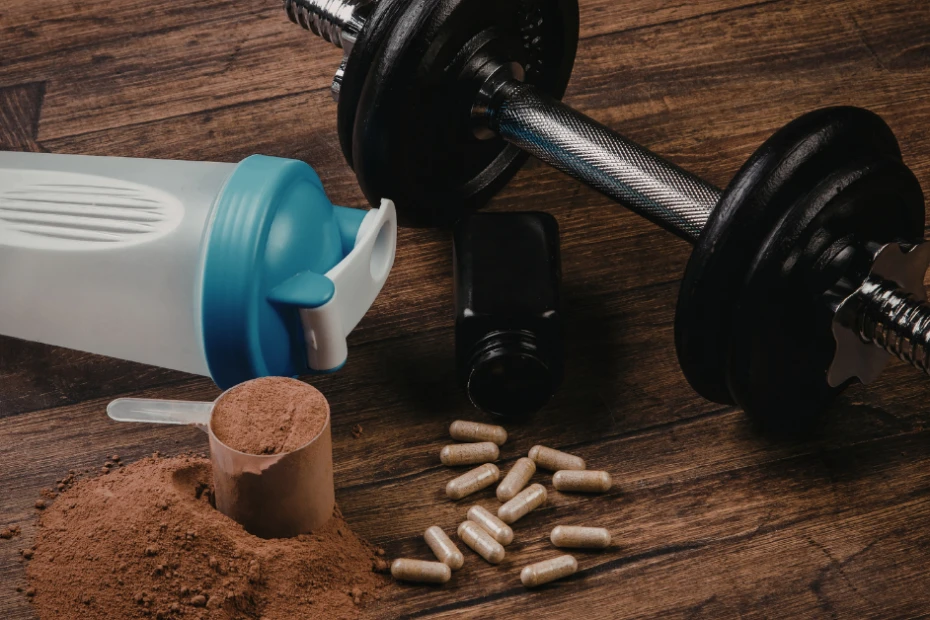
Protein powder offers a convenient solution. A scoop mixed with water or milk delivers 20 to 30 grams of protein in seconds. No cooking, no prep, no cleanup. Just shake and drink.
Whey protein is the most popular type. It comes from milk and absorbs quickly into the body. This fast absorption makes it ideal for drinking right after training when muscles are ready to soak up nutrients. The amino acid profile of whey is excellent for supporting muscle repair and growth.
Timing protein intake matters, but not as much as total daily amount. Getting enough protein spread across the day is more important than hitting an exact post-workout window. A shake after training helps, but so does protein at breakfast, lunch, and dinner.
Most people aiming for muscle growth need 1.6 to 2.2 grams of protein per kilogram of body weight daily. An 80kg person should aim for 130 to 175 grams. That is hard to hit with food alone, which is where supplements become useful.
When Calories Are the Challenge
Some people struggle to gain mass no matter how much they eat. Fast metabolisms, small appetites, or busy schedules make eating in a calorie surplus difficult. Training hard while undereating leads nowhere.
A mass gainer solves this problem. These supplements combine protein with carbohydrates and fats to create high-calorie shakes. A single serving can deliver 500 to 1000 calories or more. Drinking calories is easier than chewing them.
Mass gainer supplement products like Hyperbolic Mass are designed specifically for hard gainers. These formulas pack serious calories alongside quality protein sources. The carbohydrates provide energy for intense training and help shuttle nutrients into muscle cells.
Protein shakes for muscle gain that include extra calories work best as additions to regular meals, not replacements. Real food should still form the base of the diet. The shakes fill gaps when appetite runs out or time runs short.
Weight gain supplements suit people who need that extra push to hit calorie targets. Not everyone needs them. People who gain fat easily or who eat enough through regular meals can stick with standard protein supplements.
Building Strength With Creatine
Creatine is one of the most researched supplements available. Study after study confirms that it helps with strength, power, and muscle growth. The body produces creatine naturally, but supplementing increases the amount stored in muscles.
Creatine works by helping regenerate ATP, the energy currency of cells. During short, intense efforts like lifting or sprinting, the body burns through ATP quickly. More creatine in the muscles means more ATP can be regenerated. This translates to more reps or heavier loads.
Creatine monohydrate is the standard form. It has the most research backing it and costs less than newer forms. Fancy variations exist, but plain monohydrate works just as well for most people.
The standard dose is 3 to 5 grams daily. Some people do a loading phase of higher doses for the first week, but this is not strictly necessary. Consistent daily use builds up creatine stores over a few weeks regardless of starting dose.
Creatine pulls water into muscle cells, which can cause a slight increase on the scale. This is not fat gain. The water makes muscles look fuller and supports the environment where muscle growth happens. Staying well hydrated helps creatine work properly.
Side effects are rare and minor for most people. Some experience stomach discomfort if they take creatine without enough water. Taking it with a meal or shake usually prevents this issue.
Supporting Recovery With Amino Acids
Protein breaks down into amino acids during digestion. The body uses these building blocks to repair and build muscle tissue. Some amino acids are particularly important for muscle recovery.
BCAA stands for branched-chain amino acids. This group includes leucine, isoleucine, and valine. These three amino acids play significant roles in muscle protein synthesis and recovery.
Leucine gets the most attention. It acts as a signal that tells the body to start building muscle. Getting enough leucine after training helps maximise the response to the workout.
BCAA supplements come in powders and capsules. The powders mix with water and can be sipped during training. The capsules work for people who prefer not to drink another shake.
The need for separate BCAA supplements depends on overall protein intake. Someone already getting enough high-quality protein may not notice much benefit from adding BCAAs. Someone training fasted or struggling to meet protein targets may find them more useful.
Putting It All Together
Building a supplement stack starts with identifying personal needs.
Someone who trains hard but struggles to eat enough should prioritise mass gainers. The extra calories support growth that diet alone cannot provide.
Someone who eats plenty but wants extra muscle support should focus on protein powder. Meeting protein targets consistently drives muscle repair and growth.
Everyone serious about strength gains should consider creatine. The research is clear, and the cost is low for the benefits provided.
Advanced lifters may add BCAAs for recovery support, especially if training intensity is high or meal timing is irregular.
Quality matters when choosing supplements. Look for products with clear labelling that shows exactly what each serving contains. Reputable brands test their products and stand behind their quality claims.
Supplements work best when the basics are handled. Training needs to be consistent and challenging. Nutrition needs to support the training with enough calories and nutrients. Sleep and recovery need attention. Get these fundamentals right, and supplements become the finishing touch that helps push results further.
No powder replaces hard work in the gym or discipline in the kitchen. But for those putting in the effort, the right supplements make the path to bigger muscles a bit shorter and smoother.





























Sign in to leave a comment.