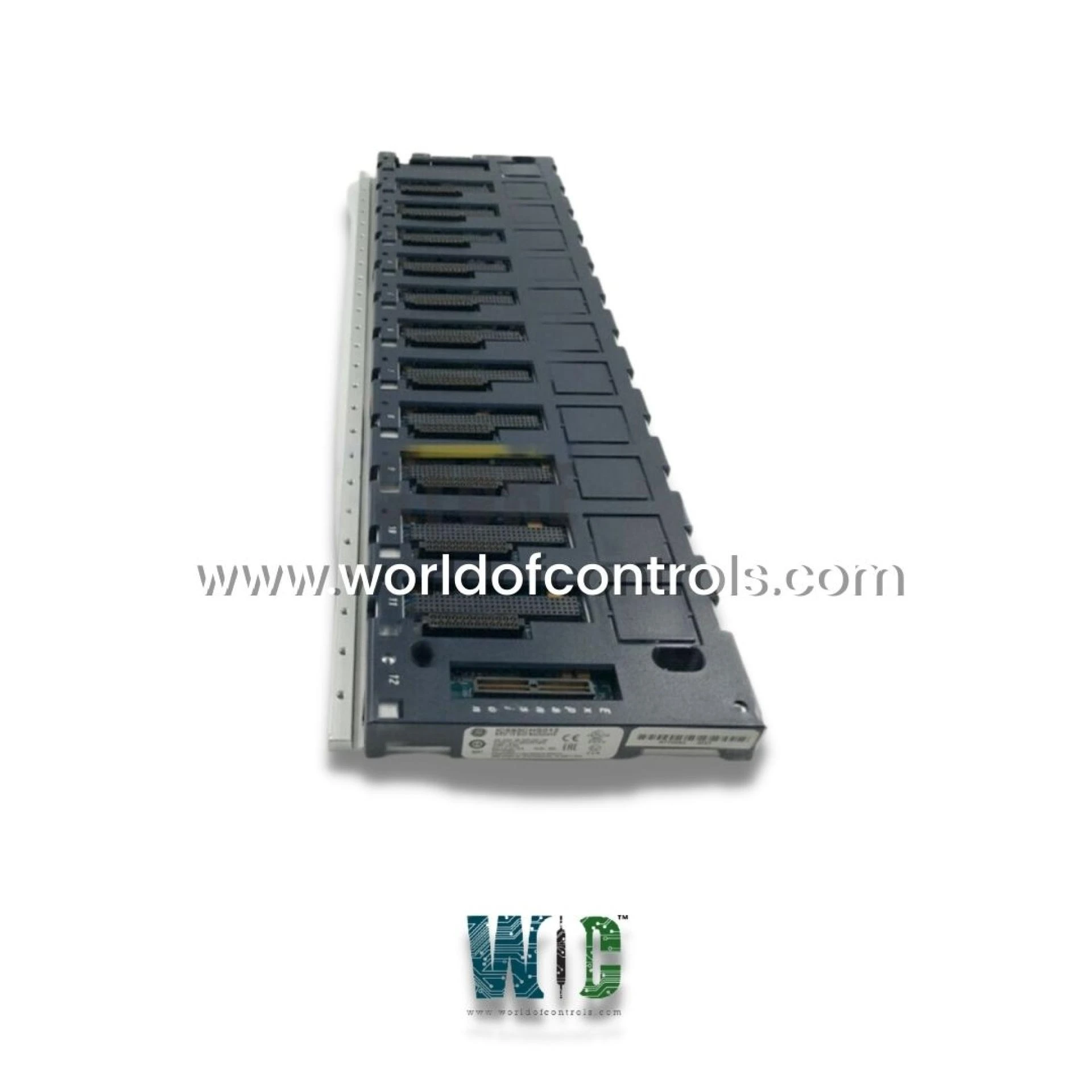

In the ever-evolving world of industrial automation, flexibility and modularity are no longer optional—they are essential. Engineers and system designers need components that can adapt to various configurations, expand seamlessly, and maintain long-term stability. At the heart of this capability is the Universal Controller Module, a critical component that enables fast, reliable, and scalable PLC system integration. This article explores its function, benefits, and role in high-performance industrial environments.
Understanding the Functionality
A Universal Controller Module acts as a chassis or backplane system that houses and connects multiple PLC modules, including CPUs, power supplies, I/O, and communication interfaces. It offers:
- Centralized mounting and connectivity for up to 12 modules
- Backplane bus integration for data, control, and power routing
- High-speed communication pathways between installed modules
- Mechanical structure to organize and protect modules in industrial panels
It forms the foundation of your control architecture, ensuring each component communicates and operates as a unified system.
Key Features and Specifications
Engineered for reliability and industrial-grade performance, a Universal Controller Module typically offers:
- 12-slot chassis for high-density control applications
- Backplane speed support for high-throughput data exchange
- Passive bus design for stable operation
- Sturdy mechanical frame with DIN rail or panel mount compatibility
- Clear labeling and alignment guides for hassle-free installation
These features make it ideal for both small-scale and large-scale automation systems where space and scalability are critical.
Applications in Automation Systems
This type of module is widely used in applications such as:
- Manufacturing lines with high I/O and control demands
- Water and wastewater treatment facilities with complex process sequences
- Power plant control rooms requiring precise turbine and generator management
- Packaging and material handling systems where control flexibility is crucial
Its robust construction and modular flexibility make it an excellent choice for projects requiring high integration and field upgrades.
Advantages of Using a Universal Controller Module
Here’s why engineers and technicians rely on this type of controller module:
- Scalability: Add or remove modules without reconfiguring the entire system
- Efficient Layout: Organizes control hardware cleanly in a single chassis
- Reliable Communication: Ensures consistent data flow across all connected components
- Easy Maintenance: Individual modules can be replaced or upgraded independently
- Long-Term Investment: Designed to grow with your system needs
This makes it a go-to solution for building robust, long-lasting automation infrastructures.
Installation & Maintenance Tips
Although it’s a passive component, proper installation and handling are vital:
- Ensure secure mounting on DIN rails or control panels
- Check module alignment and insertion for backplane integrity
- Regularly inspect for dust or environmental wear
- Label slots and modules clearly to assist during maintenance
If you experience issues with module communication or system faults, start by inspecting the controller module for alignment or backplane damage.
Why Compatibility and Quality Matter
Industrial control systems require every component to work in harmony. Using incompatible or low-quality chassis modules can lead to:
- Communication failures
- Physical damage to inserted modules
- Electrical inconsistencies or data delays
Always use OEM-compatible Universal Controller Modules to guarantee full support for your PLC components, power supplies, and expansion modules.
Conclusion
The IC695CHS012 Universal Controller Module may not be the most visible part of an automation system, but it plays one of the most foundational roles. By providing structure, connection, and scalability, it enables engineers to build reliable and adaptable control systems. Whether you're setting up a compact process control panel or a large-scale industrial network, this module is a critical enabler of smart, scalable automation.
















Sign in to leave a comment.