

Disruptions rarely announce themselves. A supplier delay, ransomware alert, power outage, or key employee absence can quickly snowball into lost revenue and broken customer trust. That is why business continuity strategies matter - they keep critical work running, even when “normal” disappears. When done well, they reduce downtime, protect reputation and create calm decision-making under pressure.

Business Continuity Strategies: What They Actually Include
Think of business continuity strategies as practical choices you make in advance to keep priorities alive. Strong options usually cover people, process, technology and partners such as:
- Alternate sites and remote work readiness - devices, VPN, access controls
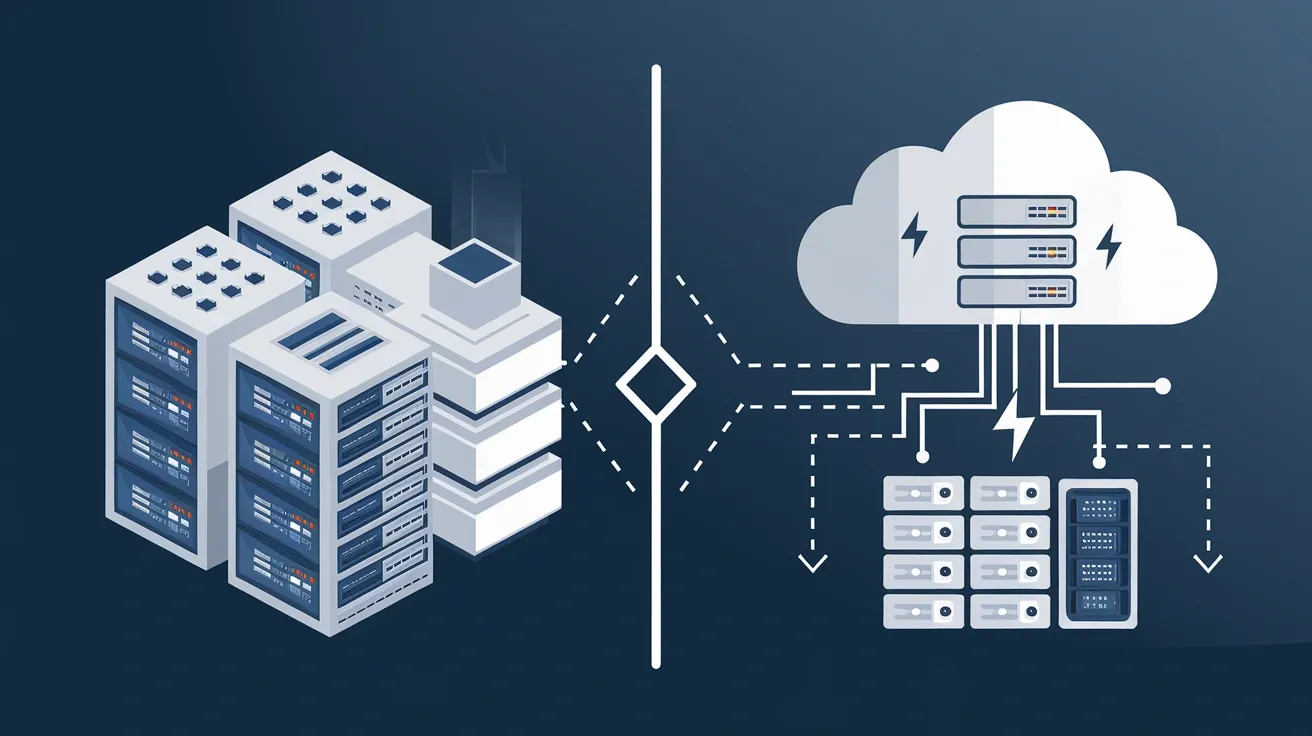
- Data resilience - immutable backups, tested restores, clear RPO and RTO targets
- Supplier fallbacks - dual vendors, pre-approved substitutions, contract clauses
- Manual workarounds for essential steps - billing, order intake, customer support
- Role coverage - cross-training, delegated approvals, “two-deep” ownership
How They Work Inside Business Continuity Management
In Business continuity management, strategies are not a one-time document. They live inside a cycle - identify what matters, choose protections, practice them, then improve. A simple flow looks like this:
- Map critical services and dependencies (apps, vendors, people)
- Run a business impact analysis to set recovery priorities
- Select continuity strategies that match risk and budget
- Test using tabletop drills and real restore exercises
- Update playbooks after every change, incident, or audit
This is where Business continuity planning becomes real - the plan is only “good” if teams can execute it quickly under stress.

A Quick Way to Pressure-Test Your Plan
Use this mini test - “If our top system is down for 4 hours, what do we do in the first 15 minutes?” Capture answers for each critical process, then refine continuity strategies until actions feel obvious. Also consider disaster recovery vs business continuity to clarify scope for stakeholders.
Conclusion
Reliable business continuity strategies turn uncertainty into a rehearsed response, strengthening business continuity across teams and vendors. If you want expert support to design, test and mature your program, Business Contingency Group can help you operationalize strategy and governance without overcomplicating execution. Book a free 30-minute Continuity Readiness Call today and get a prioritized action plan you can implement this week.
FAQs
1) What is the goal of business continuity?
To keep critical services running or restored fast, while limiting financial and reputational damage.
2) How often should Business continuity planning be updated?
At least annually and whenever systems, suppliers, locations or key roles change.
3) What's the difference between disaster recovery and business continuity?
Disaster recovery focuses on restoring IT. Business continuity covers end to end operations, including people and processes.
4) What should a small business prioritize first?
A short list of critical processes, contact trees, tested backups and simple manual workarounds.
5) How do you measure Business continuity management maturity?
By test frequency, restore success rates, recovery time performance and how consistently teams follow playbooks.





























Sign in to leave a comment.