

It's Friday night. Every table is full. The bar's three deep. Your kitchen team is flat out, tickets are printing non-stop, and the room is buzzing. From the outside, you look like you're crushing it. But here's the uncomfortable truth: a packed restaurant and a profitable restaurant are not the same thing. Not even close.
You can turn covers at record speed and still end the month staring at a loss. The noise, the energy, the full reservation book- none of it guarantees you're actually making money. Countless operators fall into this trap every single week.
Busy Does Not Mean Profitable
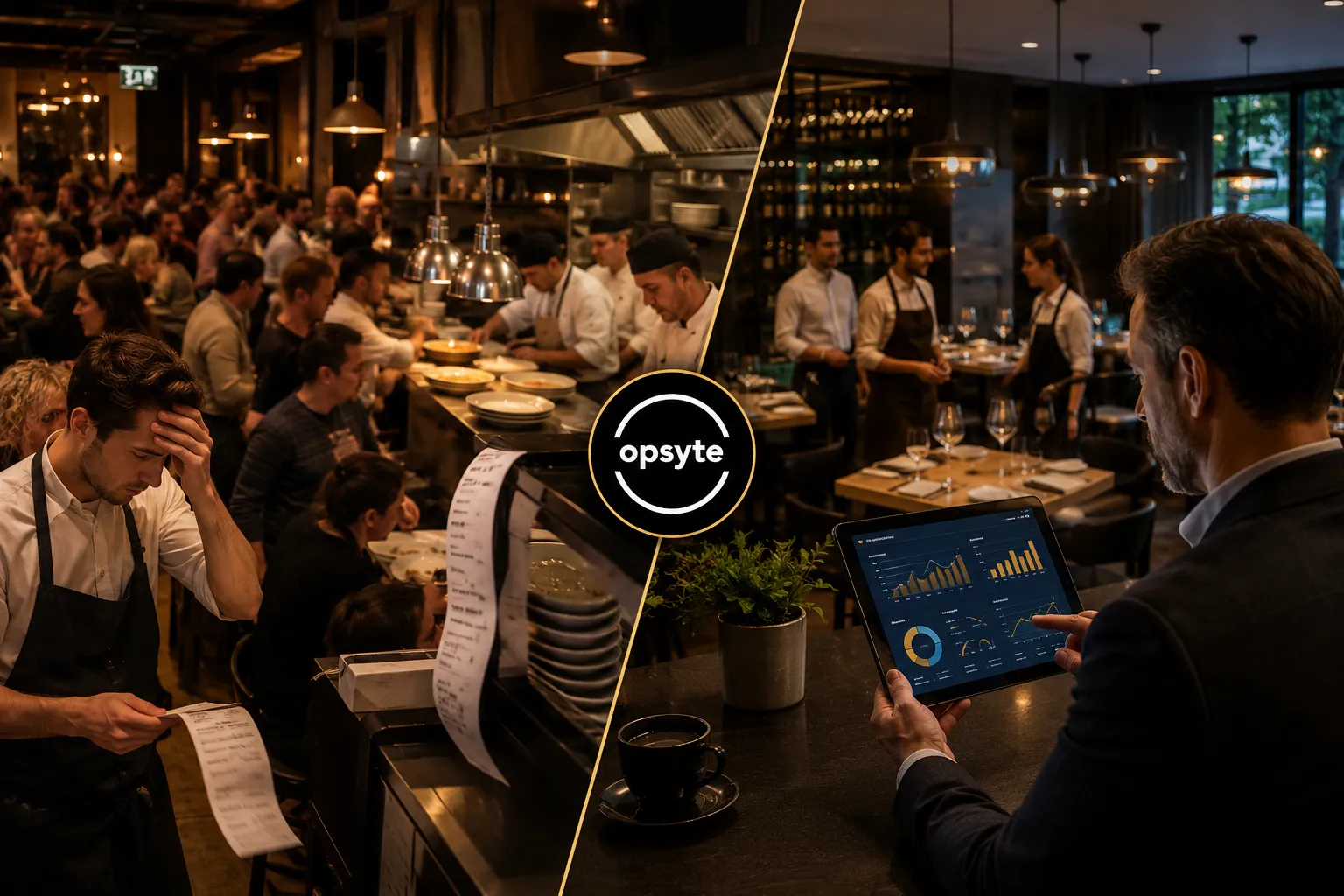
Revenue is vanity. Profit is sanity. That saying exists for a reason.
When a restaurant is busy, costs scale up right alongside revenue- sometimes faster. More staff. More food. More waste. More overtime. If you're not tracking those costs in real time, you're flying blind at the worst possible moment.
The hospitality sector runs on notoriously thin margins. A 3–5% net profit is considered healthy. Which means even small operational leaks- unplanned overtime, an over-staffed slow Tuesday, a payroll error- can quietly erase everything a good Friday night earned you.
Where Restaurants Quietly Lose Money?
Labour Overstaffing and Rota Chaos
Labour is your highest cost. In most UK restaurants and pubs, it accounts for 30–35% of revenue. Get that wrong, and nothing else matters.
Poor rota planning is everywhere. Managers build schedules based on gut feel rather than actual sales forecasts. They over-staff to avoid complaints and under-staff at the wrong times. Last-minute scheduling changes add to the chaos- phone calls, WhatsApp group stress, and agency staff brought in at a premium. All of that bleeds margin.
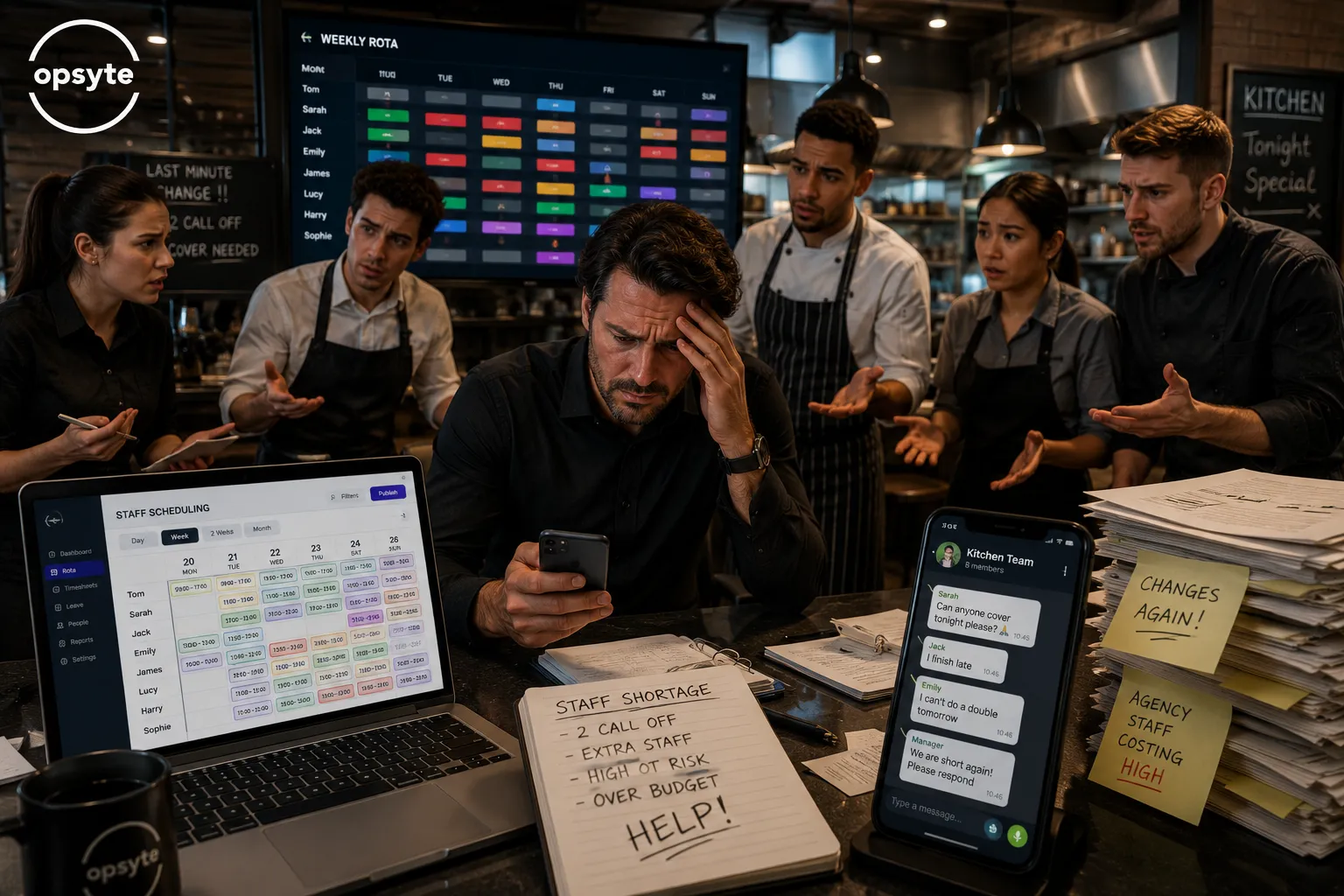
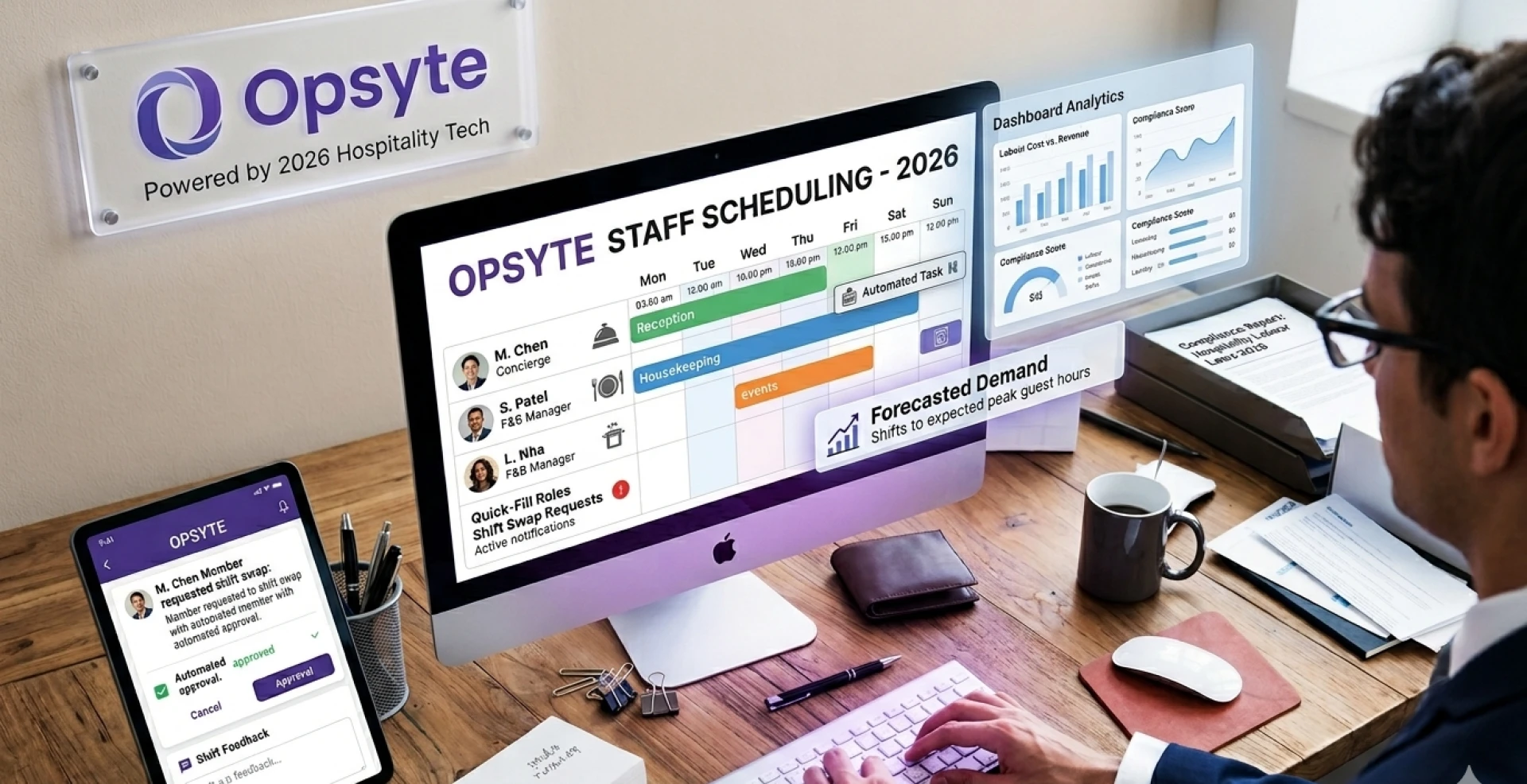
Smart workforce management software solves this. When your scheduling is tied to real sales data, you stop guessing. You staff what the business actually needs- not what feels comfortable.
Slow Reporting and Payroll Errors
Here's one many operators don't think about until it's too late: payroll mistakes. When timesheets are managed manually or pulled from disconnected systems, errors happen. Staff get paid for hours they didn't work. Overtime gets missed. And by the time your accountant flags it five weeks later, the damage is done.
Good staff management software and employee management software remove the manual layer. Clock-ins sync to rotas, exceptions are flagged automatically, and payroll runs cleanly. Less admin. Fewer errors. Better control.
Service Charge Confusion
The service charge in UK hospitality is one of the most misunderstood cost areas- and it's becoming more complex. With recent changes around how service charge must be distributed to staff, venues that aren't managing this carefully are exposed to legal and reputational risk. Getting it wrong isn't just an operational headache. It can become a very public problem.
Food Waste and Invisible Costs
Food waste rarely gets the same attention as labour, but it compounds fast. Over-ordering, poor stock rotation, inconsistent prep- it all adds up. And without clear data to spot the patterns, it keeps happening.
Why Data Visibility Matters
Profitable restaurants don't run on instinct. They run on information.
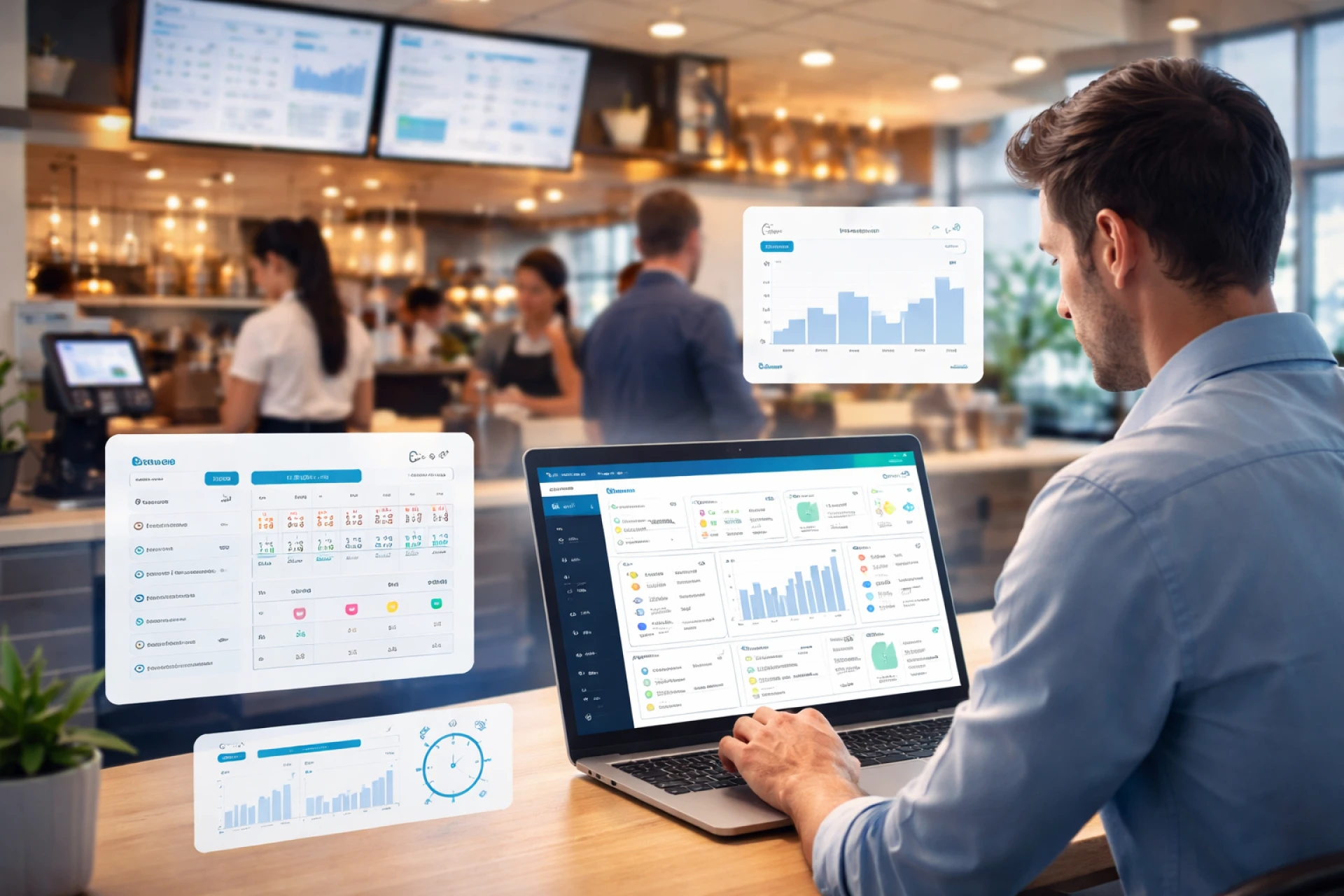
The venues that consistently hit their targets are the ones looking at their numbers every day- not waiting for a monthly P&L from their accountant. They use a Hospitality Reporting Tool to track labour vs. sales in real time, spot problems early, and make decisions quickly.
Restaurant Analytics is what separates reactive operators from proactive ones. If you only find out your labour cost spiked when your accountant tells you three weeks later, you've already lost the money. Real-time visibility changes that entirely.

Opsyte gives hospitality businesses a live view of labour against sales, daily snapshot reporting, and AI-driven P&L insights- so GMs and finance teams aren't waiting around for data that should already be in their hands.
The Human Side of Profitability
It's not just about numbers. It's about people.
When systems are broken, staff feel it first. Rotas posted late. Schedules that change without notice. Payslips that don't add up. These aren't just inconveniences- they drive turnover.
Hospitality already has one of the highest staff turnover rates of any industry. And replacing a team member costs real money- recruitment, onboarding, training time, lost productivity during the dip. Businesses that invest in proper HR software for Hospitality don't just save admin time. They build more stable, motivated teams.
Employee management software that handles contracts, right-to-work checks, onboarding documents, and holiday requests in one place gives HR and managers time back. And it gives staff a better experience from day one.
What Profitable Restaurants Do Differently?
The gap between a busy restaurant and a profitable one usually comes down to a handful of things-
- They forecast- Labour is scheduled based on projected covers, not last week's habits.
- They track in real time- Sales and labour data are visible every shift, not every month.
- They communicate clearly- Rotas are published on time. Staff get updates through an app, not a group chat.
They integrate their systems- When EPOS, scheduling, payroll, and HR are connected, data flows- and errors don't.
For multi-site operators, this becomes even more critical. Benchmarking sites, spotting over-spend, comparing performance across locations- it all requires Hospitality Management Software that brings everything into one view.
The Shift Toward Smarter Hospitality Operations
Spreadsheets had their moment. That moment has passed.
The hospitality businesses that outperform their peers have moved on from manual systems. They're using integrated platforms that connect scheduling, reporting, payroll, and analytics in one place. They're treating Restaurant Analytics and forecasting as operational basics- not nice-to-haves.
The best software for pubs & bar billing isn't just about billing. It's about giving operators full visibility over what's going out the door and whether it's making sense against what's coming in.
This is where modern Hospitality Management Software like Opsyte is changing the game- combining AI-driven P&Ls, labour optimisation, and real-time reporting into a single platform built specifically for the industry.
Final Words
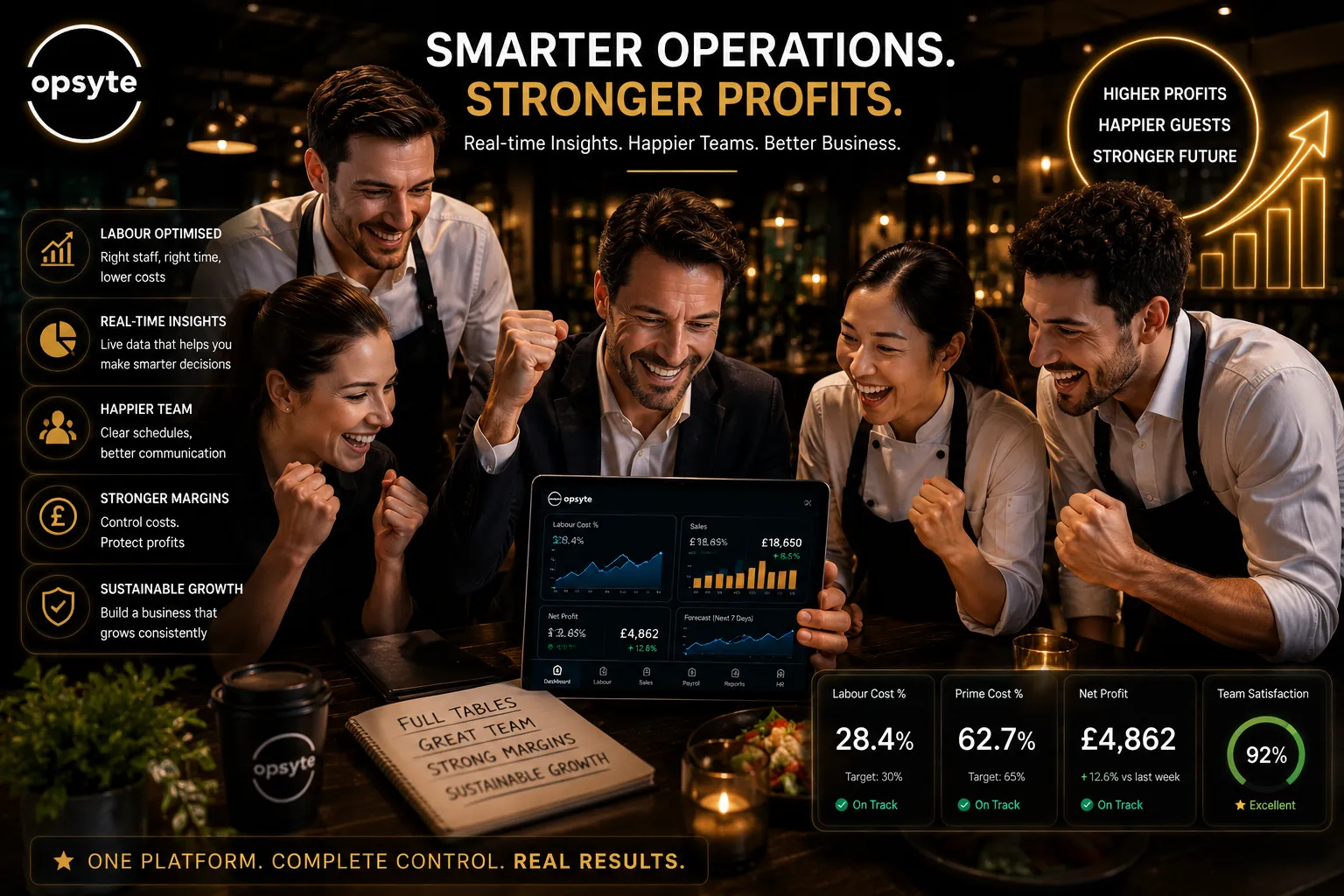
A busy restaurant is flattering. A profitable restaurant is sustainable.
The difference lies in operational clarity- in knowing your numbers, managing your people well, and having systems that give you visibility before problems become crises.
Profitability isn't built on full tables. It's built on smart decisions made consistently, shift after shift. And those decisions need data, the right tools, and a team that's properly supported.
The venues getting this right aren't the ones working hardest. They're the ones working smartest.
Frequently Asked Questions
Why are busy restaurants not always profitable ?
A restaurant can have high revenue but still lose money if labour, food waste, and operational costs are not well controlled. Profitability depends on margin management, not just customer volume.
What causes profit leaks in restaurants ?
The most common causes include labour overstaffing, poor rota planning, payroll errors, slow financial reporting, food waste, and unclear service charges in UK venues.
What is the best software for restaurant management ?
The best restaurant management software connects scheduling, payroll, reporting, and HR in one platform. Opsyte is a leading example of Hospitality Management Software built specifically for UK operators.
How does workforce management software help hospitality businesses ?
Workforce management software helps operators schedule staff based on actual sales forecasts, reduce overtime, automate timesheets, and cut unnecessary labour costs.
Why is restaurant analytics important ?
Restaurant Analytics gives operators real-time visibility into labour costs, sales trends, and operational performance. Without it, issues go undetected until they become costly.



























Sign in to leave a comment.