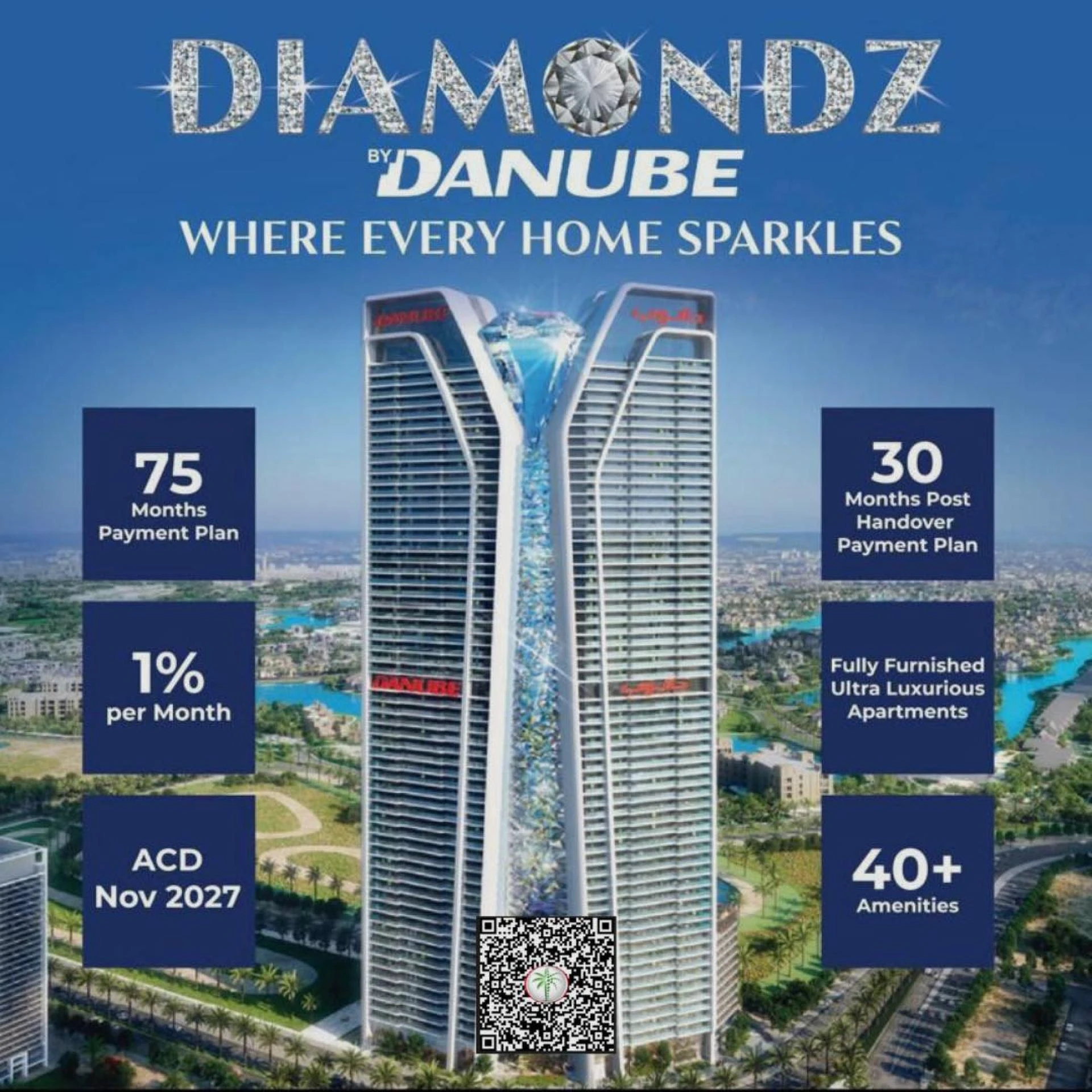

Buying property in Dubai is a significant decision that offers both exciting opportunities and unique considerations. As one of the world\'s fastest-growing cities, Dubai has garnered global attention for its modern infrastructure, cosmopolitan lifestyle, and investor-friendly policies. Whether you\'re considering a residential apartment, a luxurious villa, or a commercial space, navigating Dubai\'s real estate market requires careful planning, research, and understanding of local regulations. Here\'s a comprehensive guide to help you navigate the process of buying property in Dubai:
Why Invest in Dubai Real Estate?
Dubai\'s real estate market is known for several compelling reasons:
Strategic Location: Situated at the crossroads of Asia, Africa, and Europe, Dubai\'s geographic location makes it a hub for trade, commerce, and tourism.
Strong Rental Yields: The rental market in Dubai offers attractive yields compared to many other global cities, making it a lucrative option for investors seeking rental income.
Tax Advantages: Dubai\'s tax environment is investor-friendly with no income tax on rental yields and capital gains for most investors, along with no property taxes in designated freehold areas.
Stable Economy: Dubai boasts a stable and diversified economy, supported by proactive government policies, infrastructure development, and a transparent legal framework that safeguards investor rights.
Steps to Buying Property in Dubai:
1. Define Your Objectives: Before diving into the market, clarify your investment goals—whether you seek a home for personal use, rental income, capital appreciation, or portfolio diversification.
2. Research and Market Analysis: Conduct thorough research on Dubai\'s real estate market. Analyze factors such as property prices, rental yields, market trends, supply-demand dynamics, and potential growth areas. Consider consulting with local real estate experts or agents to gain insights into specific neighborhoods and property types.
3. Determine Your Budget: Establish a realistic budget based on your financial capacity and financing options. In Dubai, both residents and non-residents can access mortgage loans from local and international banks, subject to eligibility criteria and terms.
4. Choose the Right Location: Dubai offers a variety of neighborhoods and developments catering to diverse preferences. Factors such as proximity to workplaces, schools, amenities, transportation hubs, and lifestyle preferences should influence your decision. Popular residential areas include Downtown Dubai, Dubai Marina, Palm Jumeirah, and Emirates Hills, among others.
5. Property Selection: Once you\'ve identified your preferred location, explore available properties that align with your budget and investment goals. Consider factors such as property type (apartment, villa, townhouse, etc.), size, amenities, developer reputation, and potential for capital appreciation.
6. Due Diligence: Before making an offer, conduct thorough due diligence on the shortlisted properties. Verify the property\'s ownership status, legal documentation, developer credentials, construction quality, and any outstanding liabilities (if any). Engage legal professionals specializing in real estate transactions to ensure compliance with local laws and mitigate risks.
7. Negotiation and Agreement: Negotiate the purchase price and terms with the seller or developer. Once both parties agree, sign a Memorandum of Understanding (MoU) or Sale and Purchase Agreement (SPA) outlining the terms of the transaction, payment schedule, and any conditions precedent.
8. Financing and Payment: If financing is required, apply for a mortgage with a reputable bank or financial institution. Ensure all financial arrangements are in place, including down payments, registration fees, and transaction costs. Non-residents may need to provide additional documentation to secure financing.
9. Property Registration: Register the property with the Dubai Land Department (DLD) to complete the transfer of ownership. Ensure all legal formalities, including payment of registration fees, taxes (if applicable), and obtaining a title deed (also known as Oqood), are completed.
10. Post-Purchase Considerations: Once the property is registered in your name, consider engaging property management services if you\'re purchasing for rental income. This includes tenant sourcing, lease agreements, property maintenance, and ensuring compliance with local rental regulations.
Conclusion:
 offers investors a gateway to a vibrant and growing market known for its stability, modern amenities, and attractive investment opportunities. By understanding the market dynamics, conducting thorough due diligence, and seeking professional advice where necessary, investors can navigate the complexities of Dubai\'s real estate sector with confidence. Whether you\'re looking for a home, a rental investment, or a strategic business location, Dubai\'s diverse property market caters to a wide range of preferences and financial goals.










Sign in to leave a comment.