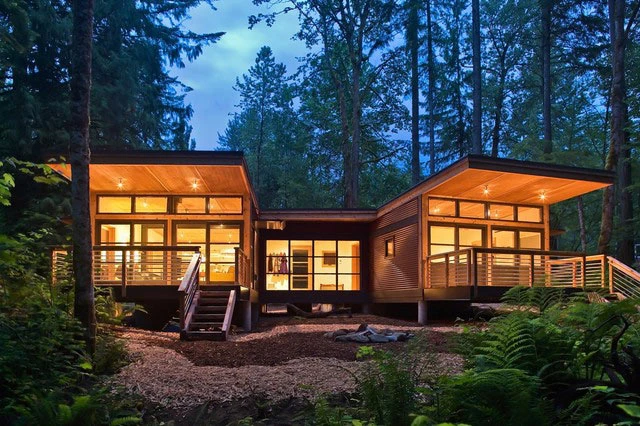

Mountain living offers breathtaking views, fresh air, and an escape from urban life. However, before investing in a mountain home, there are essential factors to consider to ensure your property suits your lifestyle and remains a sound investment.
1. Understand the Climate and Weather
High-altitude environments are known for drastic weather changes. Snowfall can be heavy in winter, while summers may bring dry conditions. Ensure your home is equipped with proper insulation, heating systems, and roofing designed to withstand such conditions. Investing in snow removal tools and creating an emergency preparedness plan is also crucial.
2. Accessibility and Roads
Remote mountain properties may be challenging to access, especially in winter. Check if roads are maintained by local authorities or if you'll need to handle snow removal yourself. Steep driveways may require special vehicle considerations or additional maintenance.
3. Utility Services
Mountain properties may lack traditional utility access. Investigate water sources, septic systems, and power lines. Some remote homes rely on solar power or propane tanks. Reliable internet access may also be limited, so explore satellite options if connectivity is vital.
4. Wildlife and Environmental Factors
Living closer to nature means coexisting with wildlife. Research the local ecosystem and take measures to secure trash, food, and other attractants. Additionally, ensure your property complies with local environmental regulations.
5. Property Maintenance and Insurance
Mountain homes require unique upkeep due to exposure to harsh elements. Roof integrity, tree management, and drainage systems should be regularly inspected. Additionally, insurance costs may be higher in mountain regions due to fire risks, so shop around for specialized coverage.
6. Building and Renovation
If you're purchasing land to build your mountain retreat, consider prefabricated solutions like small cabin kits for under $25,000 as an affordable option. These kits can simplify construction and minimize costs while offering cozy, functional living spaces.
7. Community and Local Amenities
While mountain living is peaceful, consider proximity to essential services such as grocery stores, medical care, and emergency services. Some communities offer active social hubs, while others are more secluded—choose one that aligns with your lifestyle.
Final Thoughts
Buying a mountain home is a rewarding investment, but careful planning is crucial. By understanding the climate, utilities, maintenance needs, and local environment, you can find a home that provides both comfort and stunning scenery for years to come.


























Sign in to leave a comment.