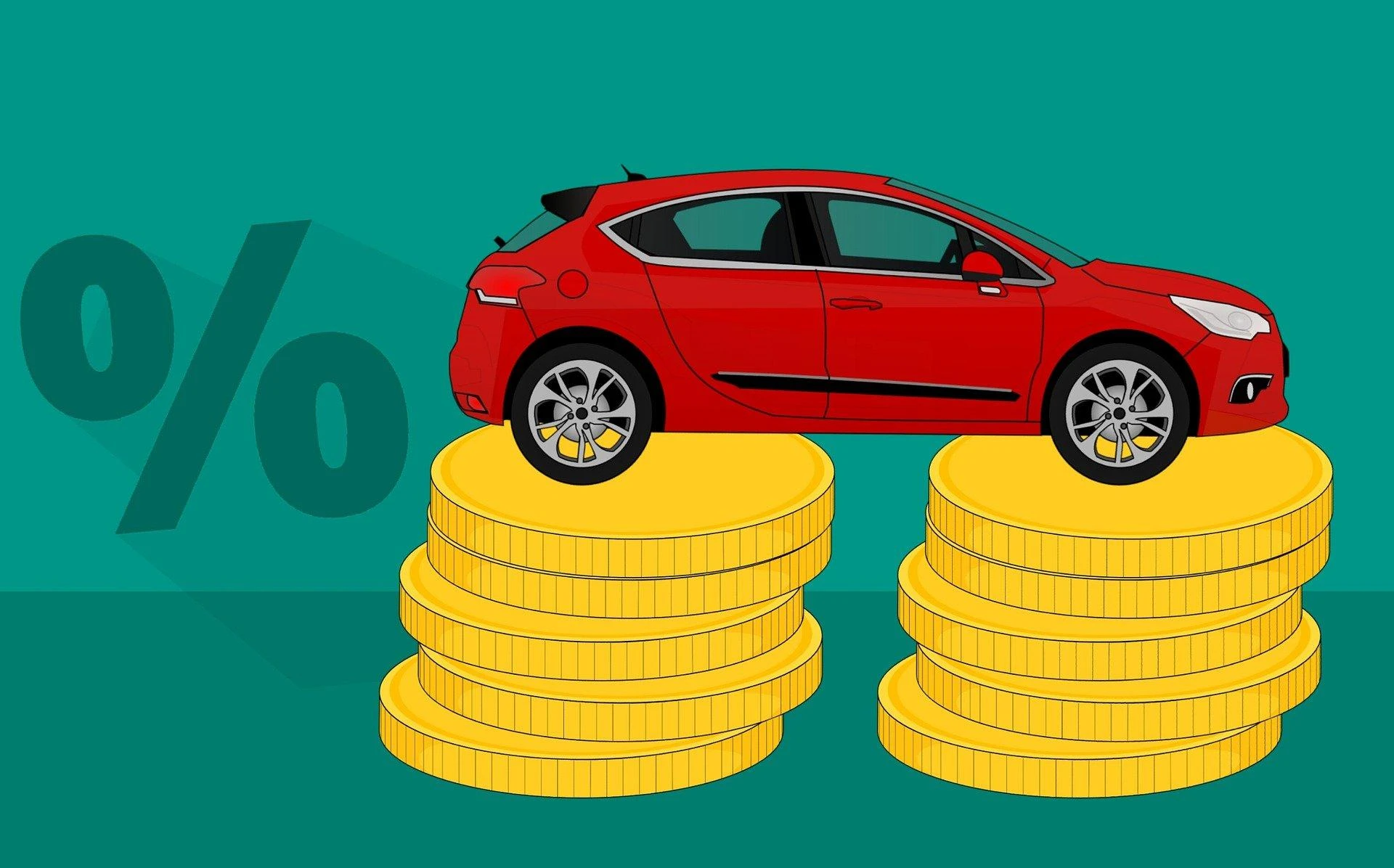

Buying a car is a major financial decision, and there are many factors to consider before making a choice. Should you buy or lease? Both options have their own advantages and disadvantages, so it’s important to understand the differences between the two before you make a decision. In this article, we’ll take a detailed look at buying vs leasing a car, so you can decide which option is right for you.
What Is Buying A Car?
When you buy a car, you’re essentially purchasing it outright. This means that you’re responsible for the entire cost of the car, including any applicable down payment, monthly payments, and interest charges. Once you’ve paid off the loan (if applicable), the car is yours to keep.
What Is Leasing A Car?
Leasing a car is similar to renting a car for a longer period of time. You pay a monthly fee for the use of the car, and at the end of the lease term, you return the car to the dealership. Leasing terms typically range from 2–4 years, and there may be mileage restrictions and other limitations on how you can use the car.
Leasing Vs Buying A Car Pros And Cons
When it comes to deciding whether to lease or buy a car, it’s important to weigh the advantages and disadvantages of each option. Here are some of the pros and cons of leasing vs buying a car:
Pros of Leasing a Car:
Lower monthly payments: Lease payments are typically lower than loan payments for the same car.Lower repair costs: Since most leases are only for a few years, the car is usually covered by the manufacturer’s warranty, meaning you won’t have to pay for expensive repairs.More flexibility: Leasing allows you to drive a new car every few years, which means you can always have access to the latest technology and features.Cons of Leasing a Car:
Mileage restrictions: Most leases come with mileage restrictions, so if you drive a lot, leasing may not be the best option for you.No ownership: When you lease a car, you’re essentially renting it for a few years. This means you won’t own the car and will have to return it at the end of the lease term.Fees and charges: Leasing comes with various fees and charges, including a down payment, acquisition fees, and early termination fees.Pros of Buying a Car:
Ownership: When you buy a car, you own it outright and can keep it for as long as you want.No mileage restrictions: Since you own the car, you can drive it as much as you want without worrying about mileage restrictions.Customization: When you own a car, you can customize it as you wish, adding accessories and modifications to make it truly your own.Cons of Buying a Car:
Higher monthly payments: Loan payments for a car purchase are typically higher than lease payments for the same car.Higher repair costs: Once the manufacturer’s warranty expires, you’ll be responsible for all repair costs.Depreciation: Cars depreciate in value over time, so when you eventually sell the car, you may not recoup the full amount of your initial investment.Factors To Consider When Looking At Leasing Vs Buying A Car
Ultimately, the decision to lease or buy a car comes down to your personal circumstances and preferences. Here are some factors to consider when weighing the pros and cons of leasing vs buying a car:
Monthly payments: Leasing typically has lower monthly payments, but buying allows you to eventually own the car outright.
Repair costs: Leasing typically comes with lower repair costs since the car is usually covered by the manufacturer’s warranty, but buying allows you to customize the car and make repairs as you see fit.
Flexibility: Leasing allows you to drive a new car every few years, while buying allows you to keep the car for as long as you want.
Mileage restrictions: Leasing comes with mileage restrictions, while buying allows you to drive the car as much as you want.
Ownership: Buying allows you to eventually own the car outright, while leasing requires you to return the car at the end of the lease term.







Sign in to leave a comment.