
Stamford, Connecticut, known for its picturesque neighborhoods and lush greenery, is also home to a variety of bee species. While bees play a crucial role in pollination and ecosystem health, their presence in residential areas can sometimes become a nuisance, prompting the need for effective bee control measures. In this guide, we\'ll explore the challenges of bee control in Stamford neighborhoods and provide actionable strategies for homeowners to manage bee populations safely and responsibly.
Understanding Bee Behavior and Habitats
Before delving into bee control methods, it\'s essential to understand the behavior and habitats of bees commonly found in Stamford. Honeybees, bumblebees, and solitary bees are among the species prevalent in the area. Honeybees often establish hives in tree cavities, wall voids, or even within structures, while bumblebees may create nests in abandoned rodent burrows or under debris. Solitary bees, such as mason bees, typically seek out small holes for nesting.
Identifying Potential Bee Nests
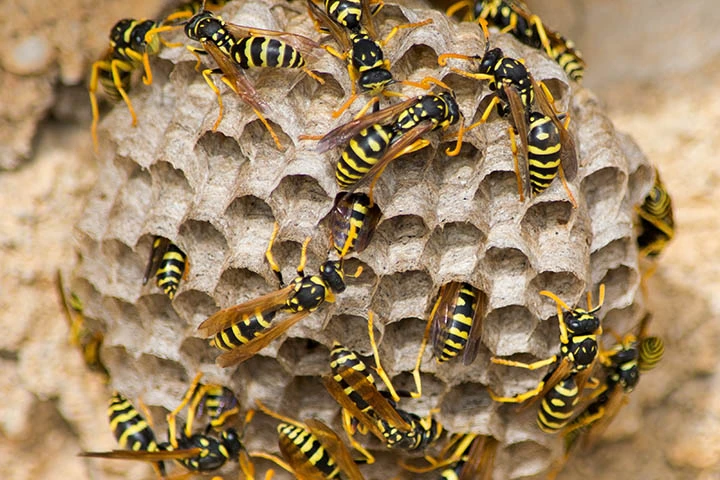
One of the first steps in effective bee control in Stamford is identifying potential bee nests or hives on your property. Keep an eye out for increased bee activity, especially around flowering plants and water sources. Look for clusters of bees entering and exiting a specific area, which could indicate the presence of a nest. Additionally, listen for buzzing sounds near structures or trees, as this may signal a nearby hive.
Safe Bee Control Methods for Stamford Residents
When dealing with bee infestations or nests, it\'s crucial to prioritize safety for both yourself and the bees. Here are some recommended bee control methods for Stamford residents, Hiring experienced bee removal experts in Stamford can ensure safe and humane removal of bee colonies. These professionals use specialized equipment and techniques to relocate bees without harming them. Conduct a thorough inspection of your home\'s exterior to identify and seal potential entry points for bees. Cracks in walls, gaps around windows and doors, and openings in roof eaves should be sealed to prevent bee ingress. Certain plants, such as marigolds, mint, and citronella, are known for their repellent properties against bees. Planting these around your property can help deter bees from nesting in unwanted areas. Bees are attracted to sweet substances like sugary drinks, fruits, and open food containers. Keep outdoor eating areas clean and dispose of food waste promptly to reduce bee attraction. Collaborate with neighbors to implement bee control measures collectively. Inform them about the importance of bee-friendly practices and the potential risks associated with untreated bee infestations. Designate specific areas in your yard or garden as bee-friendly zones by planting native flowers and providing water sources. This can divert bee activity away from high-traffic areas. Conduct regular inspections of your property to detect early signs of bee activity. Promptly address any issues to prevent bee colonies from establishing permanent nests.
Conclusion
Bee control in Stamford neighborhoods requires a combination of proactive measures, awareness of bee behavior, and responsible management practices. By understanding the importance of bees in the ecosystem and implementing safe and effective control methods, residents can coexist harmoniously with these essential pollinators while minimizing potential nuisances. Consulting with professional bee removal services and adopting bee-friendly practices can contribute to a bee-safe environment in Stamford. Fostering a harmonious relationship with bees in Stamford neighborhoods involves a blend of vigilance, education, and eco-conscious practices. By prioritizing early detection and employing safe removal methods, residents can mitigate bee-related nuisances while safeguarding these vital pollinators. Additionally, promoting community awareness about the importance of bees and advocating for sustainable landscaping practices can contribute to a bee-friendly environment. Embracing a holistic approach that balances bee control with conservation efforts ensures a thriving ecosystem where bees and humans can coexist beneficially. Together, we can create a Stamford where bees are valued and protected for their invaluable contributions to our world.


























Sign in to leave a comment.