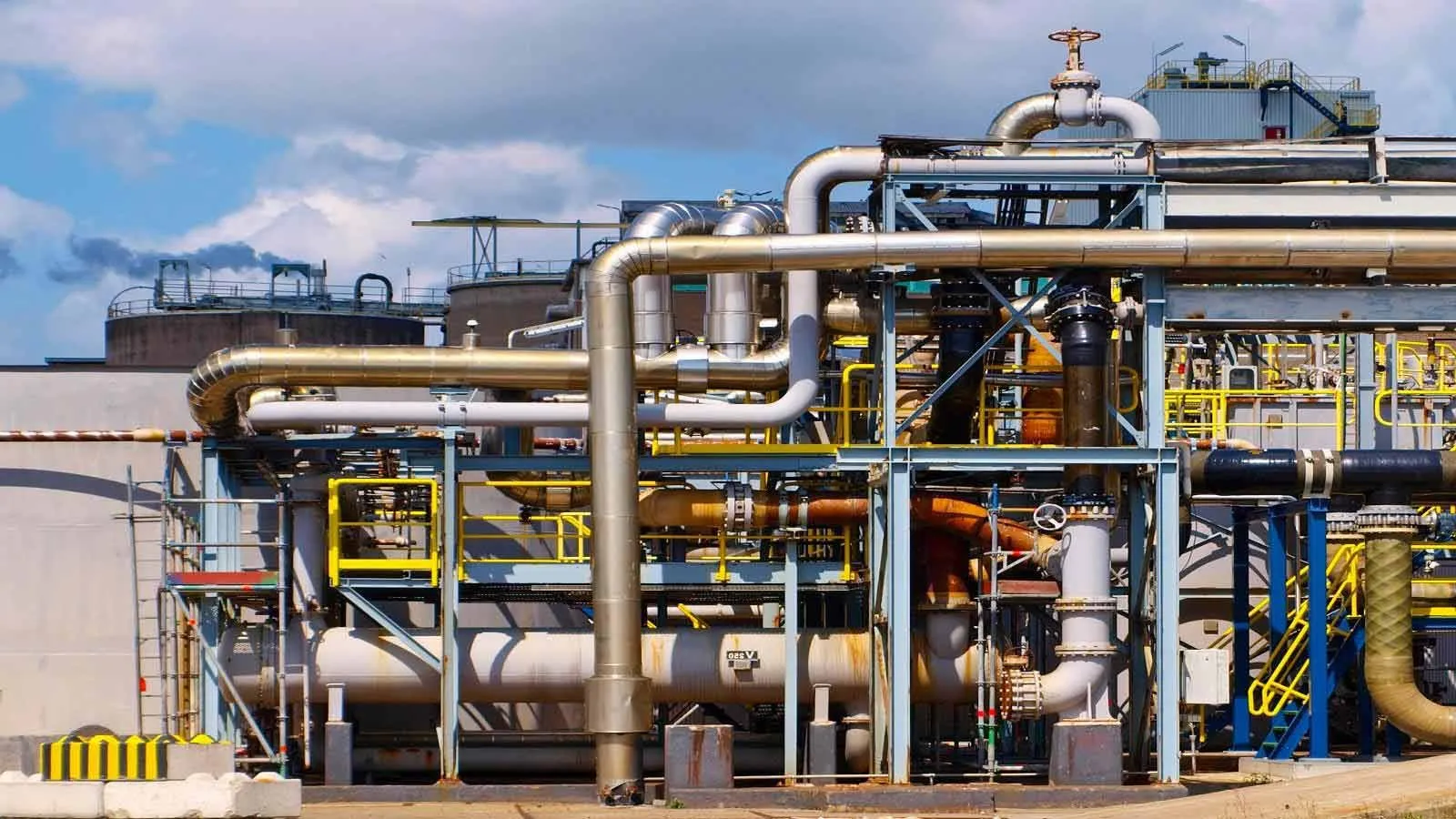

The modern engineering industry relies heavily on advanced software solutions to ensure the safety, reliability, and performance of piping systems. As industrial facilities become increasingly complex, organizations require engineers who can accurately analyze piping behavior under various operating conditions. This growing demand has made CAESAR II Training one of the most sought-after professional development programs in the fields of piping engineering and plant design.
CAESAR II is recognized globally as the industry-leading software for pipe stress analysis. Engineering companies involved in oil and gas, petrochemicals, power generation, offshore projects, and process industries use CAESAR II to evaluate piping systems and ensure compliance with international standards. Professionals who master this powerful software gain a significant advantage in today's competitive engineering marketplace.
Understanding the Importance of CAESAR II
Piping systems are subjected to numerous forces throughout their operational life. Temperature changes, internal pressure, equipment movement, dead weight, wind loads, and seismic activity can all create stress within piping networks. Without proper analysis, these stresses can lead to equipment damage, leaks, system failures, and costly downtime.
CAESAR II helps engineers simulate real-world operating conditions and evaluate how piping systems respond to these loads. The software provides detailed calculations and analytical results that allow engineers to identify potential issues before construction or operation begins.
CAESAR II Training teaches professionals how to effectively use these capabilities to design safer and more efficient piping systems.
Why CAESAR II Training Is Essential for Engineers
Engineering companies increasingly prefer professionals who possess practical software expertise alongside strong technical knowledge. While understanding piping fundamentals is important, the ability to perform detailed stress analysis using industry-standard software is what distinguishes highly qualified engineers.
CAESAR II Training bridges the gap between theoretical engineering concepts and practical industrial applications. It enables engineers to model piping systems, analyze stress conditions, evaluate equipment loads, and generate professional engineering reports that support project decision-making.
The training provides hands-on experience that prepares participants for real-world engineering challenges and enhances their ability to contribute effectively to industrial projects.
The Role of CAESAR II in Industrial Projects
Large industrial facilities often contain extensive piping networks that connect critical process equipment. These systems must operate safely under demanding conditions while meeting strict engineering standards and regulatory requirements.
CAESAR II plays a crucial role in validating piping system designs before installation. Engineers use the software to assess thermal expansion effects, support requirements, nozzle loads, flexibility characteristics, and compliance with piping codes.
Through CAESAR II Training, learners gain insight into how these analyses support project safety, improve reliability, and reduce the risk of operational failures.
Learning the Fundamentals of Pipe Stress Analysis
A comprehensive CAESAR II Training program begins with a strong foundation in pipe stress engineering principles. Participants learn how piping systems behave under different loading conditions and why stress analysis is necessary for industrial projects.
The training explores concepts such as sustained loads, expansion stresses, occasional loads, support reactions, equipment interactions, and system flexibility. Understanding these fundamentals helps engineers interpret software results accurately and make sound engineering decisions.
This combination of theory and practical application creates a deeper understanding of piping system performance.
Developing Practical Software Skills
One of the most valuable aspects of CAESAR II Training is the opportunity to gain practical experience with real engineering scenarios. Participants learn how to create piping models, define operating conditions, assign material properties, and evaluate analysis results.
The software allows engineers to visualize piping behavior and identify areas that require design modifications. By working through project-based exercises, learners develop the confidence needed to perform stress analysis independently and contribute to professional engineering projects.
Practical software proficiency is often a key requirement for engineering positions involving piping design and plant engineering.
Career Opportunities After CAESAR II Training
The demand for engineers skilled in CAESAR II continues to grow across various industries. Companies involved in refinery projects, petrochemical plants, offshore developments, power generation facilities, and EPC projects frequently seek professionals with pipe stress analysis expertise.
Completing CAESAR II Training can open opportunities for roles such as Pipe Stress Engineer, Piping Engineer, Mechanical Engineer, Design Engineer, Project Engineer, and Engineering Consultant. These positions often involve working on complex industrial projects where stress analysis plays a critical role in project success.
The specialized skills gained through training can significantly enhance career prospects and increase professional value within the engineering industry.
Industry Demand for CAESAR II Professionals
As engineering projects become more sophisticated, organizations require specialists who can ensure piping systems meet performance and safety requirements. CAESAR II has become the preferred software solution for many engineering firms because of its advanced analytical capabilities and widespread industry acceptance.
Professionals trained in CAESAR II are often viewed as valuable contributors because they possess both technical knowledge and practical software skills. This combination allows them to solve engineering challenges efficiently while supporting project objectives.
The ongoing expansion of industrial infrastructure worldwide ensures continued demand for qualified CAESAR II professionals.
The Future of Pipe Stress Engineering
Digital engineering technologies continue to transform the way industrial projects are designed and executed. However, the need for accurate pipe stress analysis remains as important as ever. Safe and reliable piping systems are essential for successful plant operations, making stress engineering a critical discipline within the engineering industry.
CAESAR II continues to evolve alongside industry requirements, offering advanced analytical capabilities that support modern engineering practices. Professionals who invest in CAESAR II Training position themselves for long-term success in an industry that values technical expertise and software proficiency.
As companies increasingly adopt digital engineering workflows, the ability to perform advanced stress analysis will remain a highly desirable skill.
Conclusion
CAESAR II Training is an excellent investment for engineers seeking to develop specialized expertise in pipe stress analysis and industrial plant design. The training provides a comprehensive understanding of piping system behavior, engineering standards, and industry-leading software applications that are essential for modern engineering projects.
By mastering CAESAR II, professionals can enhance their technical capabilities, improve career opportunities, and contribute to the successful execution of complex industrial projects. For engineers looking to expand their knowledge and gain industry-relevant skills, OnlinePiping.com offers valuable educational resources, technical guidance, and professional training support to help build a successful career in piping and plant engineering.



























Sign in to leave a comment.