
Introduction
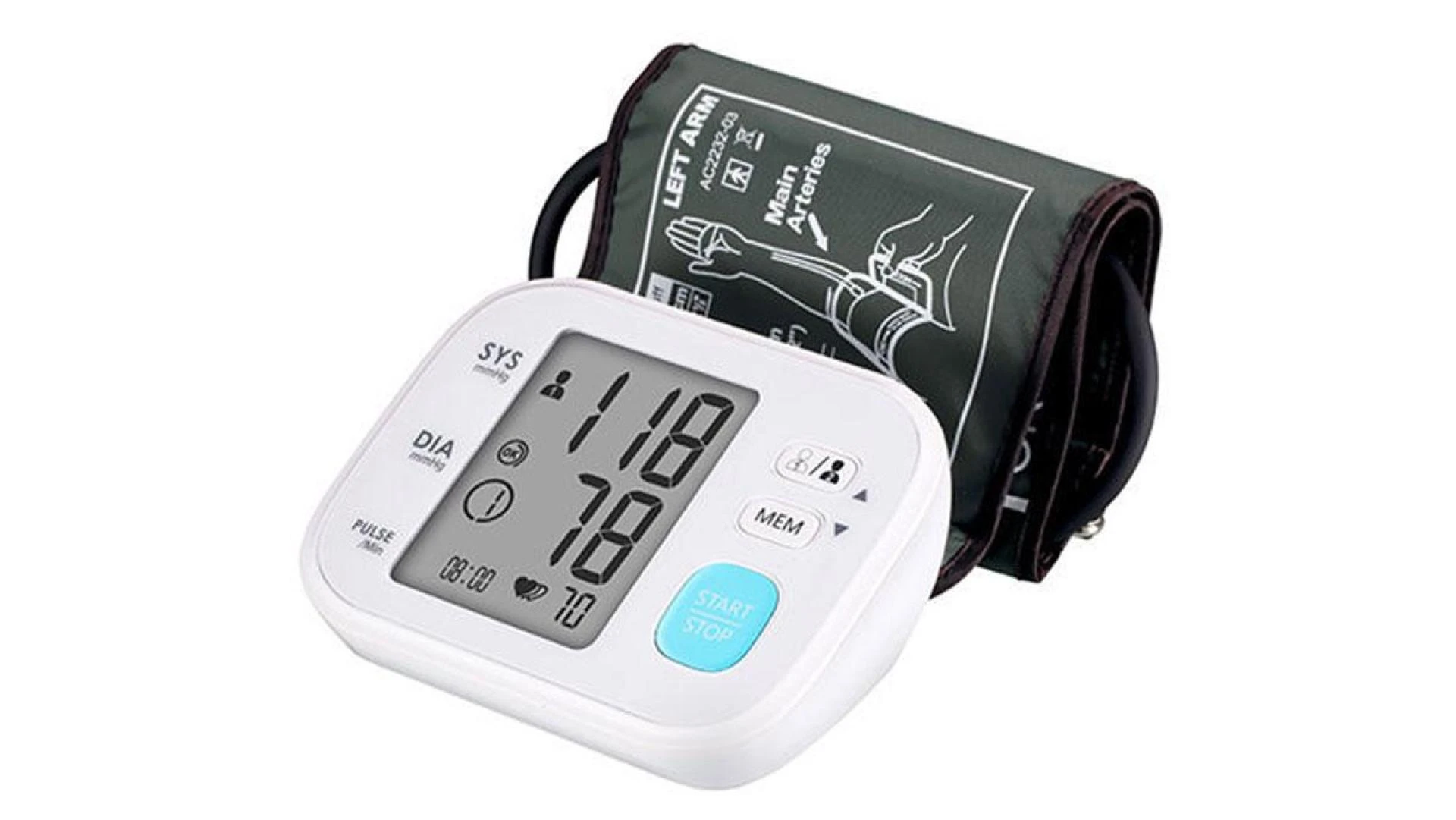
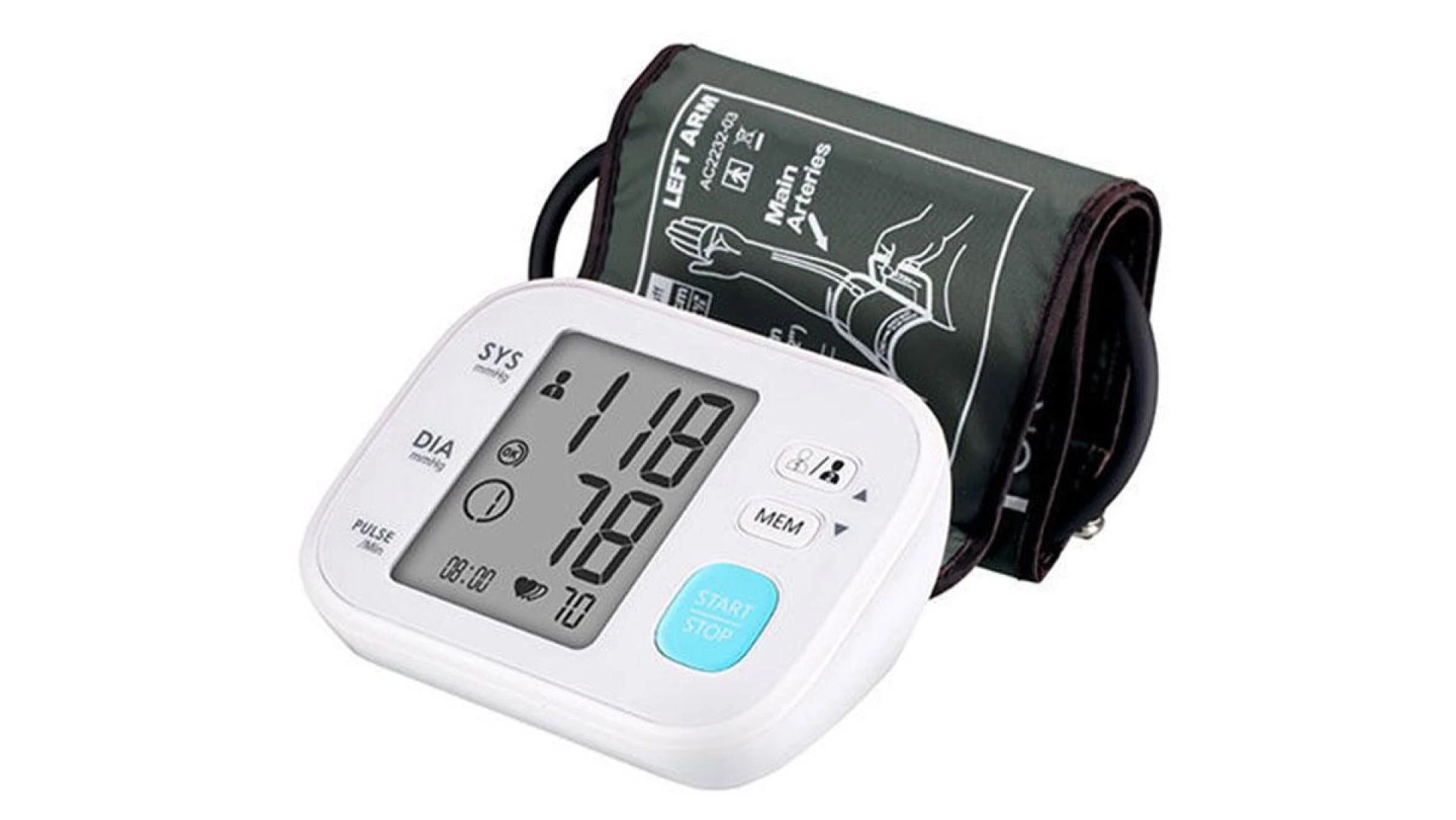
Home blood pressure monitors are valuable tools for managing hypertension and monitoring cardiovascular health. However, to ensure the accuracy of the readings, regular calibration is of vital importance. This guide provides a detailed account of the importance, methods, and practical suggestions for calibrating a home blood pressure monitor, helping you maintain the reliability of the device at home or through professional services.
The Importance of Calibration
The accuracy of a blood pressure monitor directly affects health decisions. Inaccurate readings may lead to misdiagnosis, such as treating non-existent diseases or ignoring practical problems. Over time, wear and tear, environmental factors (such as extreme temperature or humidity), or improper operation may cause reading deviations. Regular calibration ensures that reliable data is provided by comparing the device readings with known standards.
Calibration Frequency
The calibration blood pressure monitors frequency varies depending on the equipment model and the intensity of use. The following are common suggestions:
lGeneral recommendation: Calibrate once a year to ensure accurate readings.
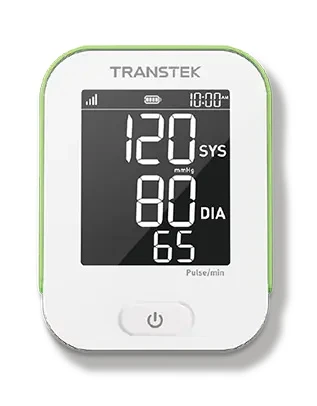
lHigh-frequency usage: If the device is used every day, calibration may be required every six months, according to Transtek Health.
lSpecial circumstances: When the equipment drops, gets damaged or has abnormal readings, it should be calibrated immediately.
lManufacturer's Guide: Always refer to the user manual to understand the calibration requirements for specific models.
The steps to Calibrate a Blood pressure Monitor at Home
Although calibrating blood pressure monitors completely at home may require professional equipment, you can take the following steps to check and adjust the accuracy of the device:
1. Preparations
Refer to the user manual: Read the calibration instructions provided by the manufacturer carefully. Some brands offer calibration modes or external calibration services.
Select the appropriate environment: Operate in a quiet and bright environment to ensure that the display screen can be read clearly.
Check the equipment status: Ensure that the battery is fully charged or the equipment is fully charged, and place it on a stable surface.
2. Correct positioning
Sit still for at least 5 minutes, keep relaxed, keep your back straight and your feet flat on the ground.
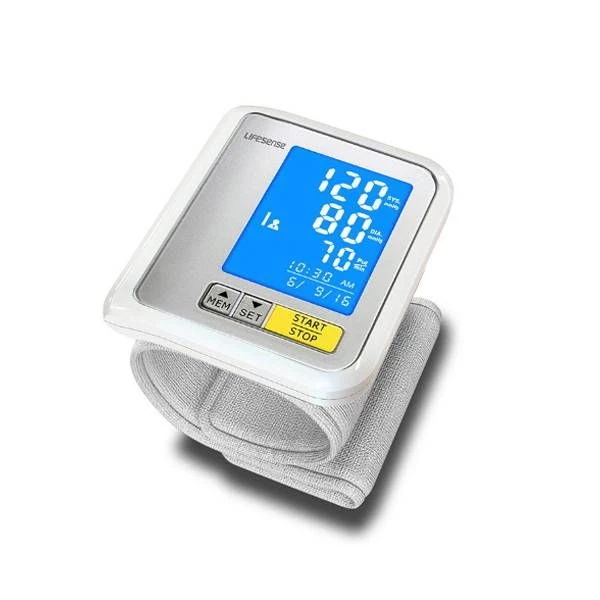
Wear the cuff correctly on your upper arm or wrist, making sure it is at the same height as your heart.
Use the same arm for each measurement to maintain consistency.
3. Conduct the initial measurement
Wear the cuff as instructed, start the device and record the first reading.
Ensure that the cuff is inflated and deflated normally.
4. Compare with the reference equipment
Use a calibrated reference blood pressure monitor (such as the equipment in a doctor's clinic) or compare it with the readings of a medical professional.
5. Adjust the Settings
Some blood pressure monitors have built-in calibration functions that can be adjusted according to the instructions in the user manual.
If manual calibration is required, please adjust the Settings according to the manual or use a certified calibration device (available for purchase online).
6. Retest
After calibration, measure again and compare with the reference equipment.
Repeat this process until the readings are consistent and accurate.
7. Maintenance and storage
Regularly check the wear and tear of the cuff and sensors to keep the equipment clean.
Store in a place far away from extreme temperatures, moisture and physical shocks.
Professional Calibration Service
For most home blood pressure monitors, it may not be feasible to calibrate them completely at home because professional equipment is required. The following are the options for professional calibration:
lManufacturer services: Many brands offer calibration services, which usually require the equipment to be returned and a fee to be paid.
lMedical facilities: Some hospitals or clinics offer calibration services. You can contact the local medical service provider.
lPurchasing new equipment: If the equipment is older or the calibration cost is high, buying new equipment may be more economical.
Conclusion
Calibrating a home blood pressure monitor is a key step to ensure its accuracy. Although some devices allow for limited calibration at home, in most cases, professional services or comparisons with known standards are required. By regularly sphygmomanometer calibration, using and maintaining the equipment correctly, you can ensure the reliability of your blood pressure readings and thus better manage your health. If you have any questions, please consult a medical professional or contact the equipment manufacturer for support.



























Sign in to leave a comment.