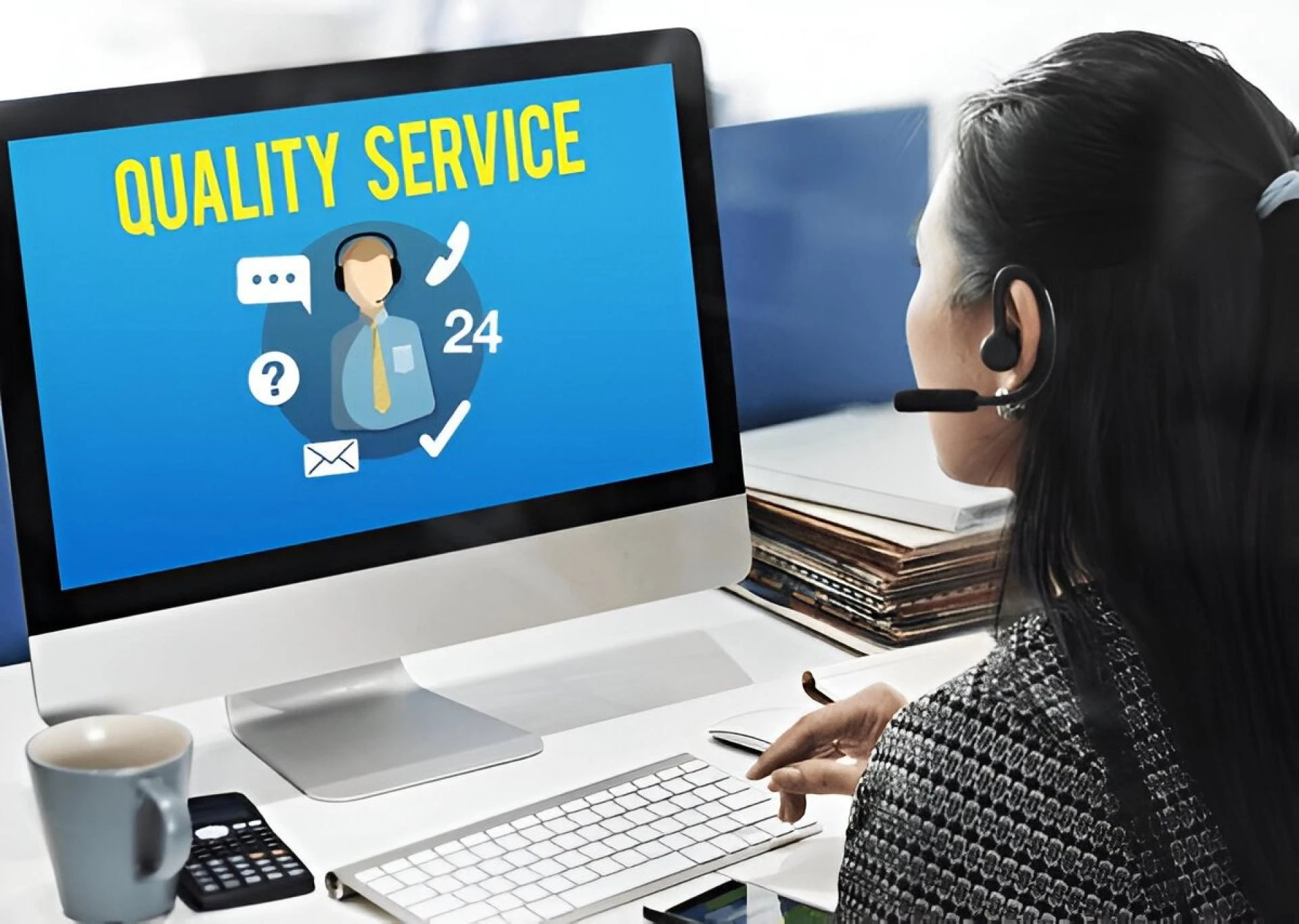

In today’s hyper‑connected world, a single phone interaction can make—or break—a brand’s reputation. That’s why call center call monitoring has evolved from a “nice‑to‑have” supervisory tool into the cornerstone of contact center quality monitoring and QA in customer service. When done correctly, it fuels continuous improvement, drives agent engagement, and, most importantly, delivers the consistent, friction‑free experiences customers expect.
Below we’ll unpack why call monitoring matters, how it fits into a modern quality‑assurance framework, and the best practices that turn raw recordings into actionable insight.
Why Call Monitoring Is No Longer Optional
The Customer Expectation Gap
Modern buyers switch providers after a single negative experience. According to a recent Zendesk survey, 71 % of consumers will hang up and call a competitor after a single poor interaction. Monitoring provides the real‑time visibility needed to catch those gaps before they become churn drivers.
Compliance & Risk Management
Regulated industries—finance, healthcare, telecommunications—must prove that agents follow scripts, disclose required disclosures, and protect personal data. Contact center quality monitoring offers an audit trail that satisfies regulators and protects the organization from costly penalties.
Coaching & Agent Development
Agents learn best when feedback is timely, specific, and grounded in real interactions. Listening to a live or recorded call lets supervisors pinpoint exact moments where an agent could have asked a better question, handled an objection, or demonstrated empathy.
Data‑Driven Decision Making
Every recorded conversation is a data point. When you systematically tag and analyze calls, patterns surface: common issues, product gaps, training needs, and even opportunities for upsell or cross‑sell. This transforms a vague “we need better service” sentiment into a concrete, measurable roadmap.
Building a Robust QA Framework Around Call Monitoring
A solid QA in customer service program rests on three pillars: metrics, process, and technology. Call monitoring is the glue that binds them.
Define Meaningful Metrics
| Metric | What It Measures | Why It Matters |
| First‑Call Resolution (FCR) | Whether the customer’s issue is solved in one interaction | Directly linked to satisfaction and cost reduction |
| Average Handling Time (AHT) | Total call duration (talk + hold + after‑call work) | Balances efficiency with quality |
| Compliance Score | Adherence to scripts, disclosures, data‑privacy steps | Protects against regulatory risk |
| Customer Effort Score (CES) | How easy the call felt for the customer (post‑call survey) | Predicts loyalty and future spend |
| Agent Soft‑Skill Rating | Empathy, active listening, tone | Drives brand perception |
Metrics should be aligned with business goals and reviewed quarterly to stay relevant.
Standardize the Evaluation Process
- Sampling Plan – Randomly select a statistically valid set of calls each week (e.g., 5 % of volume).
- Scorecard Design – Use a blend of quantitative (yes/no compliance) and qualitative (open‑ended comments) fields. Keep the scorecard lean—7‑10 items avoid fatigue and improve consistency.
- Calibration Sessions – Gather QA analysts quarterly to listen to the same calls and discuss scoring discrepancies. This builds inter‑rater reliability.
- Feedback Loop – Deliver coaching within 24 hours of the call, using recorded snippets to illustrate points. Pair feedback with a personalized development plan.
Leverage Modern Technology
- Automatic Speech Recognition (ASR) turns audio into searchable transcripts, making it easy to filter calls by keywords like “cancel,” “refund,” or “escalate.”
- Sentiment Analysis highlights emotional spikes (anger, frustration) so supervisors can prioritize high‑risk calls.
- Integrations with Workforce Management (WFM) and CRM surface context (customer history, ticket status) during evaluation, enriching the QA perspective.
- Real‑time monitoring dashboards give managers a pulse on live compliance, enabling instant interventions when an agent deviates from protocol.
Best Practices for Effective Call Monitoring
Blend Live and Post‑Call Monitoring
- Live monitoring (whisper or barge) is invaluable for high‑stakes calls—VIP customers, escalations, or new product launches.
- Post‑call monitoring offers a broader, less intrusive view of day‑to‑day performance. A balanced mix ensures coverage without agent burnout.
Focus on the Customer Journey, Not Just the Script
A script is a safety net, but great service often requires agents to think on their feet. Scorecards should reward problem‑solving, empathy, and ownership alongside script adherence.
Keep the Agent Experience Positive
- Transparent policies: Let agents know when and why calls are monitored.
- Recognition programs: Celebrate high scorers publicly (e.g., “Agent of the Month”).
- Continuous learning: Offer micro‑learning modules tied to common QA findings, so agents can upskill on demand.
Use Data to Prioritize Coaching
Rather than treating every low score as a crisis, cluster findings. If 30 % of calls dip on “hold time explanation,” that signals a process issue (perhaps the IVR menu). Address the root cause first, then fine‑tune agent behavior.
Measure the Impact of QA Initiatives
Track pre‑ and post‑coaching metrics (FCR, CES, CSAT) to prove ROI. When you can show, for instance, that a targeted empathy training lifted CSAT by 4 % within a month, you secure ongoing budget for QA programs.
The Future of Call Center Call Monitoring
The next wave of contact‑center quality monitoring will be driven by AI‑augmented analytics. Imagine a system that:
- Automatically flags compliance breaches in real time, prompting a gentle reminder to the agent.
- Predicts churn risk by correlating sentiment, pause length, and product usage, surfacing alerts to supervisors before the call ends.
- Generates personalized coaching playlists based on each agent’s historic performance gaps.
While AI will handle the heavy lifting, human judgment remains essential for interpreting nuance, cultural context, and evolving brand values. The future is human‑plus‑machine, not human‑vs‑machine.
Takeaway: Call Monitoring Is the Bedrock of Quality
If you’re still treating call center call monitoring as a checkbox, you’re missing out on a strategic advantage. A disciplined contact‑center quality monitoring program—anchored by clear metrics, calibrated processes, and modern technology—creates a virtuous cycle:
- Visibility → 2. Insight → 3. Coaching → 4. Performance Gains → 5. Customer Delight
When every interaction is measured, evaluated, and improved, QA in customer service evolves from an after‑the‑fact audit into a proactive engine of growth.
Ready to upgrade your monitoring strategy? Start by reviewing your current scorecards, schedule a calibration session this month, and explore an AI‑enabled speech analytics platform that integrates with your CRM. The sooner you lay the foundation, the faster you’ll see the ripple effect on quality, compliance, and, most importantly, customer loyalty.




























Sign in to leave a comment.