
Learn what a calm supplement is, what ingredients help stress and sleep, how to use them safely, and how to pick the right one.
Feeling “wired but tired” is more common than people think. Your brain wants to rest, but your body feels stuck in go-mode. That can look like racing thoughts at night, tight shoulders all day, or a short fuse over small things. A calm supplement can be one tool to help your body shift from stress mode to steady mode especially when your routine already includes good basics like sleep, food, movement, and water.
This guide explains what a calm supplement is, what ingredients are most known for calm support, how to use them safely, and how to pick one that fits your goal (daytime calm vs. better sleep vs. stress support).
What is a calm supplement?
A calm supplement is a supplement people take to support a relaxed, steady state. It is not meant to “knock you out.” The best ones aim to help you feel calm and clear, like your mind is quieter and your body is less tense.
A calm supplement is usually built to support one or more of these areas:
- Nervous system balance (so your body can downshift)
- Stress response support (how your body handles pressure)
- Sleep support (so you can fall asleep and stay asleep)
- Mood steadiness (so you feel less “on edge”)
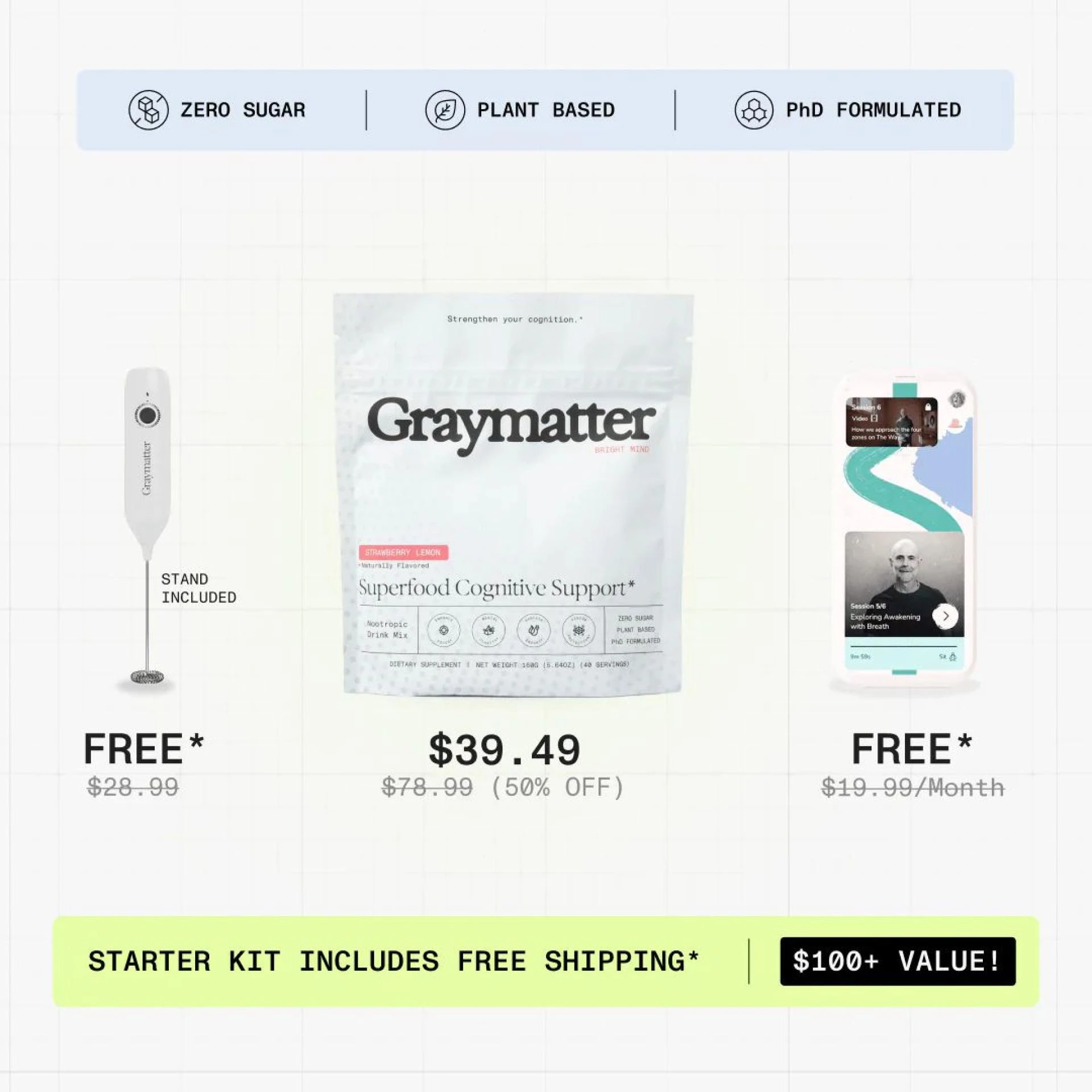
Some products are single-ingredient (like magnesium). Others are blends that combine calming nutrients with adaptogens or plant-based ingredients to support focus and stress resilience. For example, some plant-based blends use adaptogens commonly used for stress support and daily mental performance, and may also be made with quality controls like third-party testing and cGMP manufacturing.
How a calm supplement works in the body
To understand how a calm supplement helps, think of your body like a car with two pedals:
- Gas pedal: stress response (fight-or-flight)
- Brake pedal: relaxation response (rest-and-digest)
When life is intense, many people keep pressing the gas without meaning to. A calm supplement may support the “brake” side in a few practical ways:
It can help muscles unclench. Some nutrients linked with relaxation are also involved in muscle and nerve function. Magnesium, for example, is a key mineral used all over the body, including the nervous system.
It can support a calmer “brain rhythm.” L-theanine (an amino acid found in tea) is often used because it may support a calm-but-alert feeling and is commonly discussed for stress and sleep support.
It can support stress resilience. Some blends include adaptogens (plants used traditionally and in modern supplements) that are often marketed for stress management and focus.
Important: a calm supplement is not a replacement for medical care if you have severe anxiety, panic attacks, depression, or sleep disorders. It is best seen as a support tool that can fit into a bigger plan.
Calm supplement ingredients that are most common
Not every calm supplement is the same. Here are ingredients you’ll see often, and what people usually use them for.
Magnesium (often glycinate)
Magnesium is one of the most common “calm support” minerals. Magnesium glycinate is popular because it is known as a gentle form for many people and is often chosen for relaxation and sleep support.
What to know: Too much magnesium can cause stomach issues, and high doses can be risky for people with kidney problems.
L-theanine
L-theanine is used for calm focus—like taking the edge off without making you feel dull. It’s often discussed for anxiety and sleep support, and it may help with relaxation while staying alert.
Chamomile
Chamomile is widely used as a calming herb. Some evidence suggests it may support anxiety symptoms and relaxation, but results can vary. It may also interact with certain medications and may not be right for everyone (like those with ragweed allergies).
Ashwagandha and other adaptogens
Adaptogens like ashwagandha are commonly used in stress-support blends. They are often positioned for stress resilience and daily balance.
Signs you might need a calm supplement
A calm supplement can make sense when your stress feels “stuck” in your body. Here are real-life signs people mention:
- You feel tired, but your brain won’t slow down at night
- You get tense shoulders, jaw tightness, or a “buzzing” feeling
- Small tasks feel bigger than they should
- You feel jumpy with caffeine or under pressure
- You want calm focus for work, not just sleep support
If these signs are constant or severe, talk to a clinician. Supplements can support, but they shouldn’t be your only plan.
How to choose the best calm supplement for your goal
Picking the right calm supplement gets easier when you match it to your “why.”
If your goal is daytime calm (without sleepiness):
Look for “calm focus” style ingredients (often L-theanine) and avoid formulas that are mainly sleep-focused.
If your goal is sleep:
Magnesium forms used for relaxation are popular, and calming herbs are common. Start low, and track how you feel for a week.
If your goal is stress resilience (long workdays):
Some people prefer blends that pair calming support with adaptogens and nutrients used for daily mental performance. Some plant-based drink mixes, for example, are built around focus + steady energy + stress support and may also highlight third-party testing and cGMP manufacturing.
Quality checklist (simple but important):
- Clear ingredient list (no “mystery blends”)
- Good manufacturing standards (like cGMP)
- Third-party testing when possible
- A plan for timing (morning vs evening)
How to use a calm supplement safely
A calm supplement works best when you use it thoughtfully.
Start small. Take the lowest suggested amount first. Your goal is “enough,” not “more.”
Try one change at a time. If you start three supplements at once, you won’t know what helped—or what caused side effects.
Watch for interactions. Some herbs can interact with medications (like blood thinners). If you take prescription meds, ask your clinician first.
Be careful with high-dose magnesium. Side effects can include stomach upset, and certain people (like those with kidney issues) need extra caution.
Frequently Asked Questions
What is the best calm supplement for anxiety?
Many people look at magnesium (often glycinate), L-theanine, and certain calming herbs. The “best” depends on your goal—daytime calm, sleep, or stress support—and your health situation.
What supplements calm the nervous system fast?
L-theanine is commonly used for calm-but-alert support, and magnesium is often used for relaxation (though effects can vary by person). Fast results depend on the ingredient, dose, and your body.
Is magnesium glycinate good for calm and sleep?
It’s a popular form for relaxation and is often chosen because many people find it gentle. Like any supplement, it can still cause side effects at higher doses.
Can I take L-theanine every day?
L-theanine is widely used, including daily, but you should follow label directions and check with a clinician if you’re pregnant, breastfeeding, or taking medications.
Do calming supplements make you sleepy?
Some do, especially sleep-focused formulas. Others are designed for “calm focus,” which aims to reduce stress without heavy drowsiness.
What should I avoid mixing with a calm supplement?
It depends on the ingredients. Some herbs can interact with medications, and taking too much magnesium can cause side effects. If you use prescriptions or have a health condition, ask a clinician before combining products.



Sign in to leave a comment.