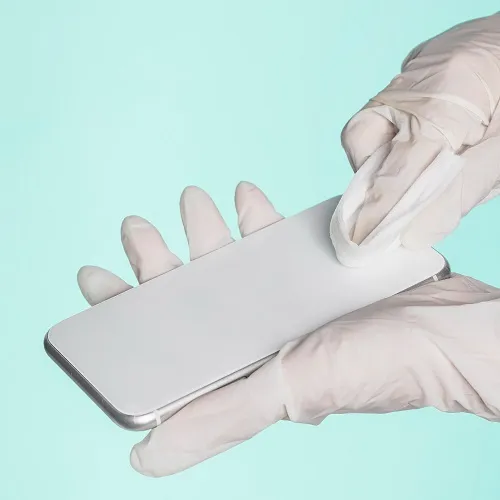

There’s a small but familiar frustration most people don’t talk about. You’re scrolling through your phone - maybe late at night, maybe mid-work - and your finger just doesn’t glide the way it should. There’s resistance. A slight drag. You instinctively wipe the screen, try again, and for a moment, it feels better. Then it’s back.
That’s when the question comes up - can an iPhone 17 screen guard actually improve smoothness and reduce finger drag? The answer isn’t as straightforward as it seems.
What Causes Finger Drag in the First Place?
Before we talk about solutions, it’s important to understand the problem. Finger drag usually comes from:
- Oil and sweat buildup
- Micro-texture on the surface
- Lack of proper coating
- Wear and tear over time
Your phone screen, by default, is designed to be smooth. But once you add an extra layer - like an iPhone screen guard - you’re altering that surface. And depending on the quality of that layer, the experience can either improve or get worse.
Do Screen Guards Actually Help?
A standard iPhone 17 screen guard (typically a thin film) can go either way. In some cases, yes - it can reduce drag. But that depends entirely on the material and finish. Basic screen guards often:
- Feel slightly rubbery
- Increase friction during swipes
- Wear out quickly, leading to more drag over time
So while they may feel smooth initially, that experience rarely lasts.
The Role of Surface Coating
This is where things start to make a real difference.
High-quality screen protectors use something called an oleophobic coating - a layer designed to repel oils and reduce smudges. Why does this matter?
Because less oil buildup means less resistance, smoother swipes and a cleaner surface overall. Without this coating, your iPhone screen guard becomes a magnet for fingerprints, and the more it collects, the more drag you feel.
Texture: The Hidden Factor
Not all screen protectors have the same surface texture. Some films are designed with a matte finish, which can reduce glare - but also introduces a slight graininess. This often increases friction, especially during fast swipes.
Glossy, well-finished surfaces tend to feel smoother and more natural. That’s why the best-performing options aim to replicate the original glass feel of your screen.
Why Quality Changes Everything
Here’s the honest truth - most complaints about finger drag don’t come from using a screen protector. They come from using the wrong one.
A poorly made iPhone 17 screen guard might start smooth but degrade quickly or lose its coating within days, and develop uneven patches of friction.
Whereas a well-engineered protector maintains consistency. It doesn’t just feel smooth on day one - it stays that way.
Smoothness Is About Consistency, Not Just Feel
Reducing finger drag isn’t just about making the surface slippery.
It’s about maintaining that smoothness through:
- Long scrolling sessions
- Continuous tapping
- Exposure to sweat, dust, and daily use
A reliable iPhone screen guard should support your natural usage - not force you to adjust to it. Because the moment you start noticing resistance, the experience is already compromised.
Where RhinoTech Makes the Difference
This is where material and engineering come together.
The RhinoTech Genuine Tempered Glass – Engineered by Corning™ is designed to preserve the natural glide of your screen while enhancing durability.
Instead of a rubbery or textured feel, it offers a smooth touch experience for effortless swiping, along with an oleophobic coating that resists fingerprints and reduces drag. It’s also rigorously tested in real-life scenarios, so the smoothness isn’t temporary - it holds up through daily use.
Additional details further improve the experience:
- Anti-microbial glass for a cleaner surface
- Dust-free, bubble-free installation, ensuring even contact
- Fog marking for authenticity, confirming you’re using a genuine product
And with a free replacement on breakage for up to one year, the performance is backed by confidence.
So, Can a Screen Guard Improve Smoothness?
Yes - but only if it’s designed to. A basic iphone 17 screen guard might protect your screen, but it won’t necessarily enhance how it feels.
A well-made one, however, can: reduce friction, maintain glide and keep the surface clean and responsive
Final Thought
Your phone is something you interact with constantly. Every scroll, every tap, every swipe - it all depends on how the surface responds.
The right iphone screen guard doesn’t just sit on your screen. It works with it. And when that happens, the difference isn’t dramatic - it’s subtle, consistent, and quietly satisfying.



























Sign in to leave a comment.