
Knee surgery may be physically and emotionally challenging to recover from. Although surgical interventions can be used to fix structural deformities like ligament ruptures or arthritis, it is common to have post-surgical pain, swelling, and stiffness. Traditional recovery programs tend to focus on physical therapy and medication, although most people would need additional assistance to enhance comfort and mobility.
Traditional Chinese Medicine has a holistic approach towards healing; it aims at restoring balance and circulation in all parts of the body, which is why most people choose to use Acupuncture for Knee Pain.
Chinese Medicine Approach to Knee Pain after Surgery
Traditional Chinese Medicine considers the cause of post-surgical pain to be the consequence of impaired circulation and Qi and blood stagnation. Surgery, as positive, may have the effect of disrupting the natural circulation of energy in the body temporarily. In cases of circulation being compromised, recovery can be delayed, resulting in residual pain or stiffness in the knee.
Chinese Medicine does not just concentrate on the condition of the surgical site, but on the state of the whole body. Energy levels, emotional stress, sleep quality, and even digestion are determined, and this is a significant factor in the healing of the body post-surgery.
The Role of Acupuncture in Knee Recovery
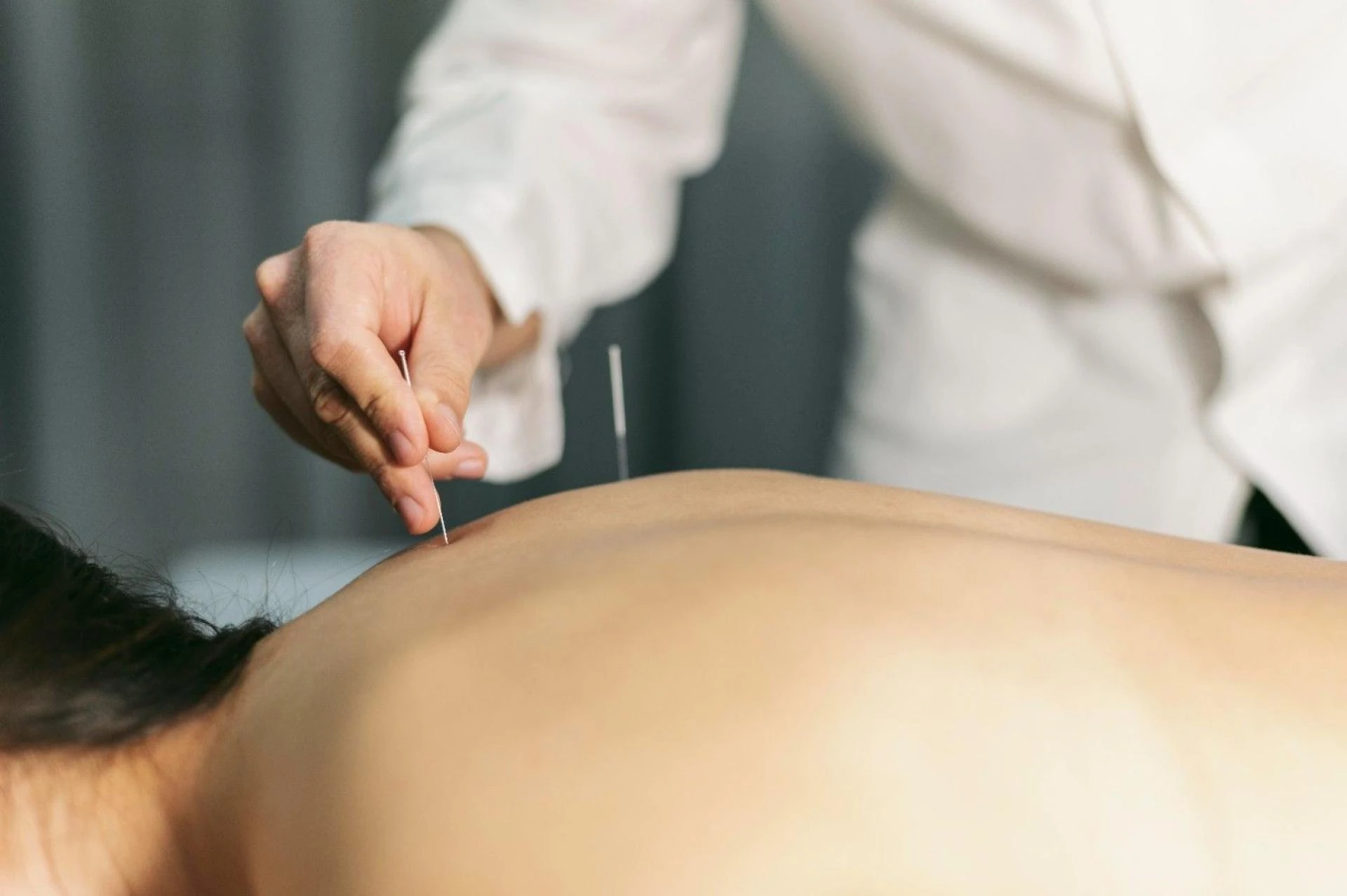
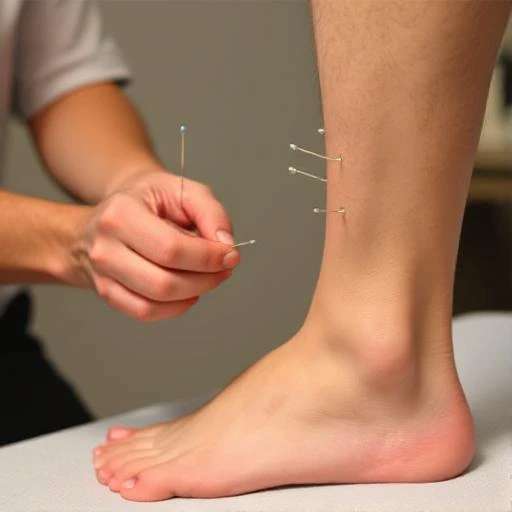
In Chinese Medicine, acupuncture is immensely popular to encourage a post-surgical recovery. Fine needles are inserted at certain points to stimulate the circulation, nervous system, and decrease inflammation. Better circulation of blood assists in the transportation of oxygen and nutrients to the healing tissues, and this could facilitate the healing process.
Acupuncture is also used in order to relax surrounding muscles, which might be tensed due to surgery. One of the reactions to pain is muscle guarding, which can reduce mobility. Acupuncture helps the body to relax and loosen up the nervous system, and therefore helps the body to move with more ease.
Post-Surgical Swelling and Stiffness
Among the problems that are likely to occur after knee surgery are swelling and stiffness. Chinese Medicine puts the swelling symptoms as a result of fluid retention and limited circulation, and the stiffness results from stagnation or tension in the tissues.
Acupuncture is combined with cupping therapy, which improves circulation. Cupping produces the gentle suction that promotes the movement of blood to congested parts of the body, enhances the movement of oxygen, and promotes cellular metabolism. The combination can be used to aid in the process of recovery by reducing the inflammation and re-establishing the knee mobility.
Herbal Consultation Supportive Care
Chinese herbal medicine would be a significant component of the post-surgery treatment, particularly when a person wants to have an overall treatment. The herbal formulas are well chosen depending on the person and his or her state of healing. They can aid the circulation, lessen inflammation, and contribute to the restoration of the strength in the body.
Herbal consultation is deeply combined with acupuncture at The Little Pin. This individualized treatment enables the care to be modified to the process of recovery in order to encourage both short-term and long-term joint care.
The Traditional Chinese Medicine teaches that physical injury is not the only cause of healing. Emotional strain, nervousness, and lack of sleep may cause more muscle tension and slow down healing. The digestive health is also a factor, where the proper absorption of nutrients is a requirement for repairing the tissues.
Acupuncture and Chinese Medicine help to achieve this through treating these interrelations to provide an internal system that can aid the healing process. This entire body orientation is particularly advantageous to those who feel that their recovery is somewhat stagnant or incomplete.
Integrative Healing Approach
In The Little Pin, traditional wisdom and modern clinical knowledge are used to approach the treatment of post-surgical knee pain. Ivy has a comprehensive and prudent approach to care, being trained intensively in the theory of Chinese medicine, the Western medicine, acupuncture, herbology, and nutrition.
Treatment will be individually focused and can be arranged with physical therapists, chiropractors, and other health personnel where necessary. This unifying model facilitates coherent recovery objectives and makes the patient feel more confident about returning to everyday life.
General Health Benefits of Acupuncture
Though knee recovery can be the starting point of care, acupuncture can be used to aid the healing process of the whole body. Most of the patients sleep better, feel less stressed, and have more energy. These are advantages that can have a positive effect on general recovery and well-being.
Such a wide effect portrays the Chinese Medicine philosophy of maintaining balance in a specific part, which will empower the whole system.
Precautionary Measures Against Knee Ailments
Acupuncture might also contribute to long-term post-surgical joint health. The continuous care can possibly decrease the risk of persistent pain, as prolonged support of circulation and balance can be achieved.
Acupuncture is part of a comprehensive wellness strategy, where acupuncture promotes an awareness of posture, movement, and lifestyle habits that preserve the well-being of joints.
Conclusion
Knee surgery can be used to heal a physical condition, but the real healing process is to bring back the balance in the whole body. Traditional Chinese Medicine represents an integrative approach that supports a positive outlook towards pain, circulation, and overall well-being as a whole.
By providing individual treatment at The Little Pin, the patients will be able to discover the ways of healing in terms of the gentle and efficient recovery process, as well as receive the help of the treatment that promotes other disorders, such as Acupuncture for Neck Pain.

Sign in to leave a comment.