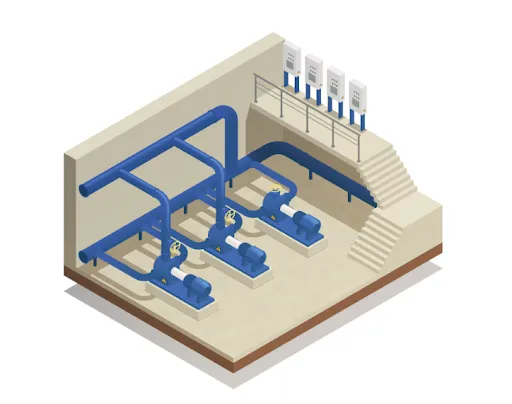

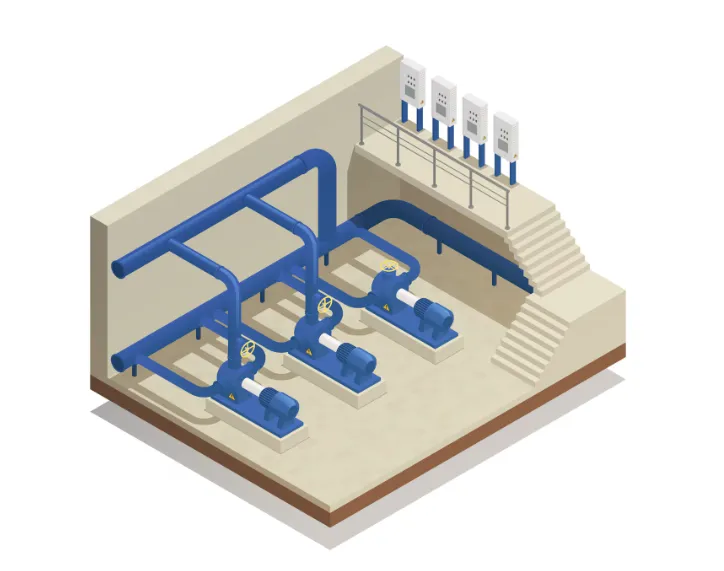
Heavy rain and fast-growing cities are making flooding a bigger problem in many places. Streets fill with water, drains overflow, and homes and roads get damaged. This is where Advanced Drainage Systems come into focus as a smart way to manage water better and reduce flood risks.
These systems are designed to move extra rainwater away in a controlled way, helping protect homes, roads, and public spaces from water damage. But can they really solve modern flooding problems? Let’s understand in simple terms.
Why modern flooding is becoming a bigger problem
Flooding is not just caused by heavy rain. It also happens when cities grow fast and water has nowhere to go.
- Too many concrete roads and buildings
- Less open ground for water to soak in
- Old drainage systems that get blocked easily
- Sudden heavy rainfall due to weather changes
- Poor water flow planning in cities
Because of these issues, water collects quickly and creates floods even after short rainstorms. This is why better drainage planning is now more important than ever.
How better design reduces flood damage
Good drainage systems are not just about moving water fast. They are about moving it in a controlled and safe way. Modern designs help slow down water where needed and speed it up where possible.
This balance helps prevent sudden water buildup in one area. By managing water flow better, these systems reduce the chances of damage to homes and public infrastructure.
This is one of the key reasons Advanced Drainage Systems are becoming more popular in urban planning.
Why strong materials matter in drainage systems
Drainage systems must handle heavy water flow, pressure, and changing weather conditions. That is why strong and durable materials are important for long-term use. Strong systems reduce the chance of cracks, leaks, or blockages.
They also help ensure water keeps flowing smoothly even during storms. Good materials also reduce the need for frequent repairs, making the system more reliable over time.
How smart planning helps cities stay safe
Flood control is not just about pipes and drains. It is also about planning where water should go. Engineers design drainage systems by studying land shape, rainfall levels, and city layout.
This helps create safe water paths that guide rainwater away from important areas.
- Better city safety during storms
- Less damage to roads and buildings
- Faster water removal after rain
- Improved public safety
- Stronger long-term infrastructure
Good planning makes a big difference in how well drainage systems work.
Where drainage systems are used most
Modern drainage solutions are used in many different places.
- Residential neighborhoods
- Highways and roads
- Commercial buildings
- Industrial zones
- Public parks and open spaces
Each area needs different drainage designs based on water flow and land use. This flexibility makes modern systems very useful for different environments.
How drainage systems support environmental safety
Controlling floodwater is not just about safety. It also helps protect the environment. When water flows in a controlled way, it reduces soil erosion and water pollution.
Some systems even help filter water before it reaches natural rivers or lakes. This helps keep water cleaner and safer for plants, animals, and people. In some cases, water is also stored and reused for non-drinking purposes like irrigation.
Why maintenance is still important
Even strong drainage systems need regular care to work properly. Leaves, dirt, and waste can block water flow if not cleaned on time. Regular inspection helps keep the system working well during heavy rains.
Simple maintenance can prevent bigger problems like overflow or flooding. This makes drainage systems more reliable in the long run.
Role of trusted material suppliers
High-quality drainage projects often depend on good materials and equipment. Companies like Energy Metals support infrastructure projects by providing strong materials used in industrial and drainage systems.
Using reliable suppliers helps ensure systems are built to last and perform well under pressure. Good materials and proper installation work together to improve flood control results.
Can modern drainage systems solve flooding problems?
Modern systems can greatly reduce flooding, but they cannot completely remove the risk on their own.
Flood control depends on many things working together:
- Smart city planning
- Strong drainage design
- Proper maintenance
- Environmental protection
- Public awareness
When all these factors work together, flooding problems can be controlled much better. So, while Advanced Drainage Systems are a powerful solution, they work best as part of a bigger water management plan.
Conclusion
Modern flooding is a serious challenge, but smart drainage solutions are making a big difference. With better design, strong materials, and proper planning, Advanced Drainage Systems help reduce water damage and protect growing cities.
With the right systems in place, communities can stay safer, cleaner, and better prepared for heavy rains in the future.
























Sign in to leave a comment.