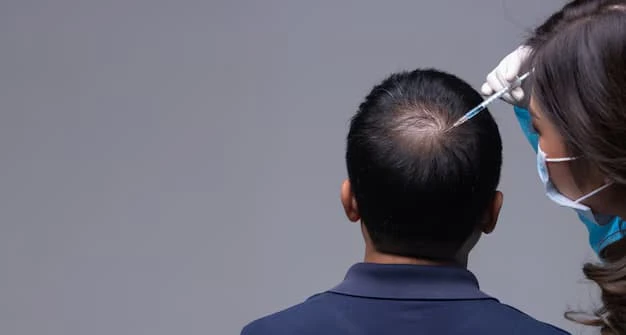

Alopecia, a condition characterized by hair loss, affects millions of individuals worldwide, transcending age, gender, and ethnicity. This condition can manifest in various forms, such as alopecia areata, androgenetic alopecia, and telogen effluvium, each with its unique causes and implications. As the awareness around alopecia increases, so does the curiosity about its reversibility. In Nottingham, a growing number of experts are delving into this topic, exploring the various avenues available for hair restoration and the potential for reversing this condition.
Understanding Alopecia: Types and Causes
To appreciate the possibilities of reversing alopecia, it is essential to first understand what it entails. Alopecia areata is an autoimmune disorder where the immune system mistakenly attacks hair follicles, resulting in sudden hair loss, often in patches. Androgenetic alopecia, commonly known as male or female pattern baldness, is primarily driven by genetic factors and hormonal changes. Telogen effluvium, on the other hand, is typically triggered by stress, hormonal changes, or nutritional deficiencies, leading to temporary hair shedding.
The causes of alopecia are as diverse as its manifestations. Genetic predisposition plays a significant role, particularly in androgenetic alopecia, where family history can indicate a higher risk. Hormonal imbalances, particularly those associated with thyroid issues or polycystic ovary syndrome (PCOS), can also contribute to hair loss. Environmental factors, such as exposure to toxins, can exacerbate the condition. Understanding these underlying factors is crucial for developing effective treatment strategies.
Current Perspectives on Alopecia Treatment in Nottingham
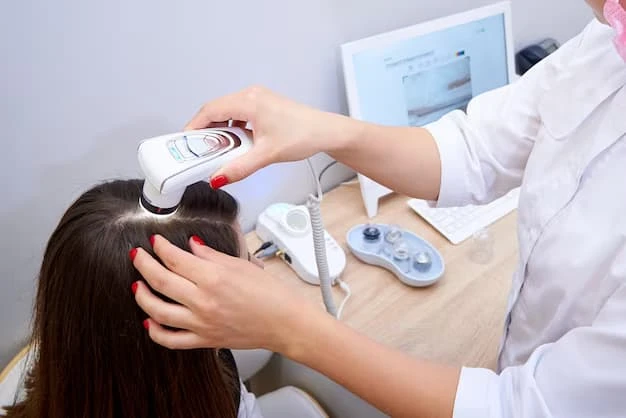
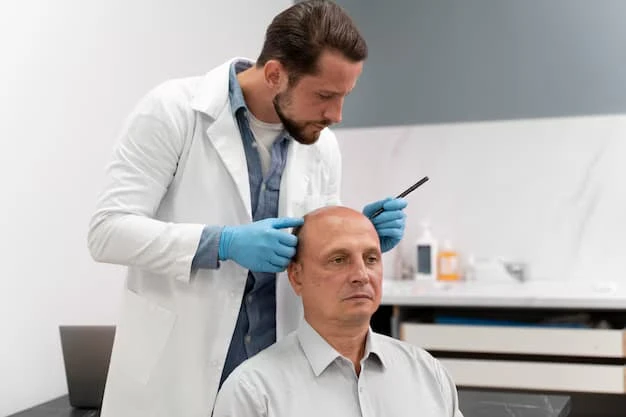
Nottingham has emerged as a hub for innovative approaches to hair restoration. Local experts emphasize the importance of a comprehensive assessment to determine the most suitable treatment for individuals suffering from alopecia. This personalized approach is essential, as it acknowledges the unique circumstances surrounding each patient's condition.
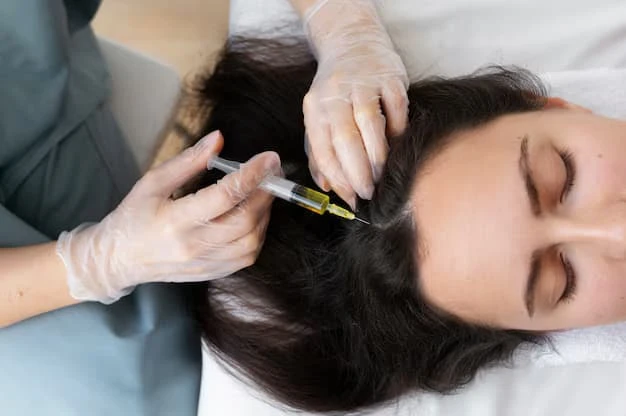
One promising avenue is the use of platelet-rich plasma (PRP) therapy, a procedure that utilizes the patient’s blood to promote healing and stimulate hair growth. During the procedure, a small amount of blood is drawn, processed to concentrate the platelets, and then injected into the scalp. Research indicates that PRP therapy can enhance the natural healing processes of hair follicles, potentially leading to significant improvements in hair density and thickness.
In addition to PRP, Nottingham experts are also exploring the role of topical treatments and oral medications. Minoxidil, commonly known as Rogaine, is a topical solution that has shown promise in stimulating hair regrowth, particularly for individuals with androgenetic alopecia. Meanwhile, oral medications like finasteride are prescribed to men to help slow hair loss and promote regrowth by blocking the hormone responsible for shrinking hair follicles.
Lifestyle Changes and Their Impact on Hair Health
While medical interventions are critical, the importance of lifestyle changes cannot be overlooked in the quest to reverse alopecia. Nutrition plays a vital role in hair health, and a balanced diet rich in vitamins and minerals can significantly impact hair growth. Essential nutrients such as biotin, zinc, and vitamin D are particularly important for maintaining healthy hair follicles.
Moreover, managing stress levels is crucial, as stress can exacerbate various forms of hair loss, including telogen effluvium. Mindfulness practices, such as yoga and meditation, can help alleviate stress, thereby potentially reducing the severity of hair loss. Engaging in regular physical activity not only improves overall health but also enhances blood circulation, which can benefit hair follicles by providing them with essential nutrients and oxygen.
Emerging Treatments and Future Directions
As research in the field of hair restoration progresses, Nottingham experts are optimistic about the potential for new treatments to emerge. Advances in stem cell therapy and gene therapy are particularly exciting. Stem cell therapy aims to regenerate hair follicles by utilizing the body’s own regenerative capabilities. Meanwhile, gene therapy holds the promise of addressing the genetic factors that contribute to alopecia, potentially offering a long-term solution for those affected.
Additionally, the role of biotechnology in hair restoration is gaining traction. Scientists are investigating the use of bioengineered hair follicles, which could pave the way for more effective treatment options in the future. These innovative approaches highlight the dynamic nature of the field and the ongoing commitment to finding solutions for individuals struggling with alopecia.
Conclusion: A Hopeful Outlook for Alopecia Treatment in Nottingham
In conclusion, while alopecia remains a complex and multifaceted condition, the available alopecia treatment in Nottingham provides a beacon of hope for those seeking answers. Through a combination of medical interventions, lifestyle modifications, and emerging technologies, individuals may find effective strategies to combat hair loss and potentially reverse its effects. As research continues to advance, the future looks promising for those affected by alopecia. For tailored and expert guidance, individuals can turn to Este Medical Group - Nottingham, where a dedicated team of professionals is committed to helping patients navigate their journey toward hair restoration.


























Sign in to leave a comment.