My Mid-Sprint Stress Symptoms: A Wake-Up Call
Last quarter, I found myself battling tight chest sensations, racing thoughts, and that classic “Monday brain fog” even on a Thursday. These stress symptoms didn’t just slow me down they made code reviews feel like climbing Everest. I tried meditation between commits, but my mind wandered faster than a cursor. Then I stumbled on ashwagandha gummies marketed as anti stress superheroes. They helped briefly. But was I just masking the problem?
What Science Says About Anti-Stress Supplements
The supplement aisle reads like a fantasy novel: magnesium for calm nerves, L-theanine for focus, and herbal blends promising to neutralize stress. Clinical studies do suggest certain ingredients can help with reducing stress and lowering cortisol levels. For example:
- Ashwagandha: Research indicates it may reduce self-reported stress by up to 44% in healthy adults.
- Magnesium: Known to support muscle relaxation and ease tension headaches.
- L-Theanine: An amino acid in green tea linked to improved sleep quality and mental clarity.
But here’s the catch: most trials last weeks, involve small groups, and focus on symptom relief not the root causes of anxiety. Supplements can be powerful support, but they’re seldom a complete replacement for therapy.
Therapy’s Unique Strengths in Tackling Stress
Therapy isn’t just about venting; it’s a structured journey to understand why stress happens and build tools to navigate challenges. Cognitive-Behavioral Therapy (CBT), for instance, helps reframe negative thought loops that fuel stress symptoms. And approaches like mindfulness based stress reduction (MBSR) teach you to observe thoughts as they arise without judgment.
I chatted with Dr. Priya Sharma, a clinical psychologist who works with tech workers. She explained, “Supplements can ease physiological strain, but therapy addresses behavioral patterns. It’s the difference between quieting an alarm clock and turning it off at the source.”
Blending Supplements with Mindfulness Exercises
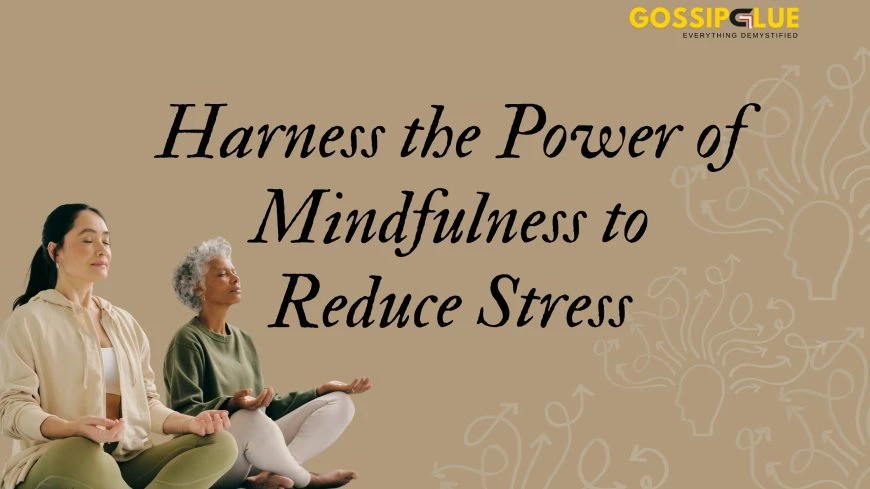
Rather than an either/or, many experts advocate a hybrid strategy. Picture this: you take a gentle dose of magnesium each evening, then spend 10 minutes on a simple breathing exercise at your desk. That’s one of my go-to mindfulness exercises inhale for four counts, hold, exhale for six. Over time, you build both biochemical and mental resilience.
A quick MBSR insight: set an alert every two hours for a “micro-mindful” check-in. Notice your posture, scan for tension, and reset your focus. These mini-pauses can neutralize daily wear-and-tear faster than a weekend reset.
Real-World Case Study: From Burnout to Balance
Meet Ravi, a DevOps engineer who nearly quit after a critical outage left him sleepless for days. He started therapy and tried anti stress supplements simultaneously. Within a month, he reports fewer panic spikes and more sustainable coping habits. “Supplements gave me breathing room,” he says, “but therapy helped me redesign my workflow and adjust unrealistic expectations.”
Ravi’s story illustrates how neither approach alone was enough together, they formed a toolkit.
Tips for Making an Informed Choice
- Consult Professionals: Chat with your doctor before starting any supplement, especially if you’re on other medications.
- Prioritize Credentials: Look for therapists specialized in stress management or MBSR.
- Track Your Progress: Keep a simple journal logging mood, sleep quality, and stress triggers.
- Start Small: Try one new supplement or one mindfulness exercise at a time. See what moves the needle.
- Be Patient: Meaningful change often unfolds over weeks, not days.
Conclusion: Your Path to Sustainable Calm
So, can anti-stress supplements replace therapy? In most cases, the answer is no but they can certainly complement it. Think of supplements as the friendly co-pilot, while therapy is the navigator charting your course through turbulent skies. By combining evidence-based nutritional support with mindfulness based stress reduction and professional guidance, you’ll build a holistic system to tackle stress head-on.
Ready to reclaim your calm? Start with one small step maybe a five-minute breathing break right now. You’ve got this.



























Sign in to leave a comment.