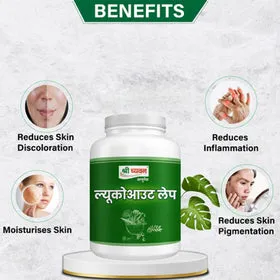

Seeing a new white patch on your skin can be unsettling. At first, you may think it is just dryness or an old mark, but then it doesn't go away. People exploring natural approaches often search for ayurvedic medicine for vitiligo, and Shri Chyawan Ayurved is one name they may find during that search. But can Ayurveda actually help with vitiligo? The honest answer needs a little more explanation than a simple yes or no.
What Exactly Is Vitiligo?
Vitiligo is a skin condition in which areas of the skin lose their natural colour. The patches can appear lighter than the surrounding skin or completely white, and they may occur on the face, hands, arms, feet, or other parts of the body. Hair growing in an affected area can also lose colour.
Vitiligo is generally considered an autoimmune condition. The immune system mistakenly attacks melanocytes, the cells responsible for producing skin pigment.
And no, vitiligo is not contagious. You cannot catch it from another person through touching, sharing food, or sitting beside them.
That part is worth saying because there are still quite a few misconceptions around it.
Can Ayurveda Help With Vitiligo?
Ayurveda has its own traditional approach to skin health and uses herbs, oils, dietary practices, and other preparations for different concerns. Some people choose Ayurvedic treatment for vitiligo as part of their personal wellness routine.
The important thing is to separate traditional use from proven medical evidence.
At present, there isn't strong clinical evidence showing that Ayurvedic medicine can cure vitiligo or reliably restore lost skin colour in everyone. Modern dermatology treatments can help some people regain pigment or slow the appearance of new patches, but there is currently no universal cure for vitiligo.
So if you are considering Ayurveda, it is sensible to use it with realistic expectations rather than hoping for an overnight change.
Skin doesn't usually work that way.
Why Do People Consider Ayurvedic Medicine for Vitiligo?
For some people, the attraction is the traditional use of plant-based ingredients and a broader focus on daily habits. Ayurvedic formulations may contain herbs that have traditionally been used for skin care and general wellbeing.
Someone searching for Ayurvedic medicine for white patches on skin may also be interested in herbal oils, tablets, powders, or topical preparations.
The exact ingredients matter. So does the dose.
If you are already receiving treatment from a dermatologist, don't stop it suddenly and replace it with an herbal product without discussing the change with a healthcare professional. Combining treatments without checking for possible interactions isn't a great idea either.
What About Ayurvedic Herbs for Vitiligo?
Different Ayurvedic formulations may use different herbs, so there isn't one fixed ingredient list.
Some traditional preparations may include ingredients such as neem, turmeric, bakuchi, amla, or other herbs associated with Ayurvedic skin-care practices.
Bakuchi is particularly well known in traditional Ayurveda for skin-related use. Its seeds contain compounds such as psoralen, which have been associated with photosensitivity. That sounds harmless until you remember that photosensitivity means the skin can react more strongly to sunlight.
So please don't experiment with raw herbal preparations and strong sunlight on your own.
A product prepared for topical use and a homemade paste made from an internet recipe are not necessarily the same thing.
Does Diet Matter With Vitiligo?
There is a lot of online advice about “vitiligo diets,” and some of it gets rather extreme.
There is no specific diet proven to cure vitiligo. Research is still looking at whether certain nutrients or supplements may have a useful role, but more evidence is needed.
A sensible approach is to eat a varied diet containing vegetables, fruits, whole grains, pulses, nuts, seeds, and adequate sources of protein.
If you suspect that you have a vitamin or mineral deficiency, testing is more useful than randomly taking several supplements.
And please don't blame yourself for developing vitiligo because you ate the “wrong” food. It isn't that simple.
Protect Your Skin From the Sun
This is one area where you shouldn't be casual.
Skin that has lost pigment can burn more easily because there is less melanin providing natural protection. Dermatology guidance recommends sun protection for people with vitiligo, including sunscreen and avoiding tanning beds or sun lamps.
A sunburn can be painful enough on normal skin. On depigmented patches, it can be particularly uncomfortable.
A broad-spectrum sunscreen, protective clothing, shade, and sensible sun habits can all help. If you're outside for a long time, reapply sunscreen according to the product directions.
Can Stress Make Vitiligo Worse?
Stress gets blamed for nearly everything these days, so a little caution is needed here.
There is some evidence and clinical observation suggesting that stress may play a role in triggering or worsening vitiligo for some people, although it isn't the sole cause of the condition. The American Academy of Dermatology recommends maintaining healthy habits and finding ways to manage stress as part of self-care.
That doesn't mean you need to become perfectly calm every minute of the day. Nobody can do that.
Regular movement, enough sleep, time away from screens, breathing exercises, yoga, or simply having someone to talk to can be useful for general wellbeing.
When Should You See a Dermatologist?
A new white patch should be properly diagnosed before you start treating it.
Not every light patch is vitiligo. Other skin conditions can also cause areas of lighter pigmentation, so a dermatologist may examine the skin closely and sometimes use a Wood's lamp to help with diagnosis.
A dermatologist can also check whether the vitiligo is stable or spreading and discuss available treatment choices.
Medical treatment can include prescription creams, light therapy, and other options depending on the type and extent of vitiligo. Some treatments aim to restore colour, while others focus on slowing further pigment loss.
Can Ayurveda Be Used Alongside Dermatology Care?
For someone interested in Ayurvedic care, this may be a more sensible way to approach it.
You can discuss your interest in Ayurvedic medicine with your dermatologist or another qualified healthcare professional. Give them the exact product name and ingredient list, especially if you are already using prescription medicines or undergoing phototherapy.
That small conversation can prevent unnecessary problems later.
Ayurveda may have a place in someone's overall approach to wellbeing, but it should not become a reason to delay diagnosis or proven treatment.
A Realistic Way to Think About Vitiligo Care
Vitiligo can affect much more than skin colour. Some people feel self-conscious about visible patches, avoid photographs, or become uncomfortable wearing certain clothes. Those feelings are real, and they deserve attention too.
If you are considering ayurvedic medicine for vitiligo, learn about the ingredients, use products according to their directions, and keep your expectations realistic. There is currently no treatment that guarantees a permanent cure, and results can vary considerably from one person to another.
At the same time, don't feel pressured to hide your skin if you don't want to. Some people choose treatment, some use camouflage products, and some simply live with their patches as they are.
There isn't one “right” way to feel about vitiligo.
The useful starting point is a proper diagnosis, sensible skin protection, and a treatment plan that you feel comfortable following over time. And yes, patience matters. Skin pigmentation rarely changes overnight.



























Sign in to leave a comment.