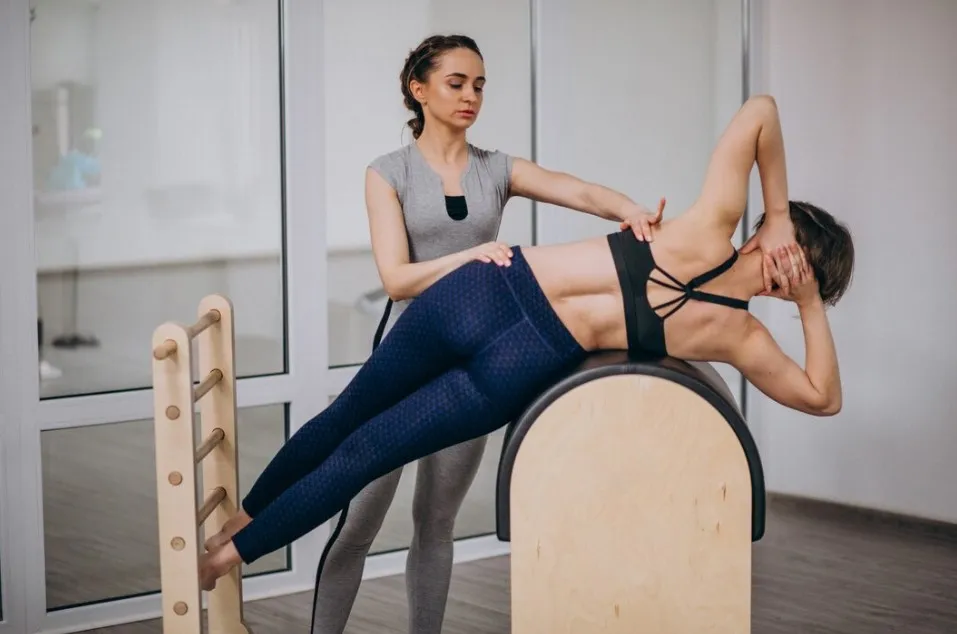

Clinical Pilates can significantly reduce lower back pain by strengthening the deep core muscles that support the spine. Research shows targeted, supervised Pilates programs improve pain, mobility, and functional ability in people with chronic and recurring back pain. Unlike generic exercise, it addresses the root cause — muscle imbalance and poor spinal control — through individualised, progressive movement.
If you've been dealing with persistent back pain, you're not alone. Lower back pain is one of the most common musculoskeletal complaints seen by physiotherapists in Singapore. The good news? Clinical Pilates Singapore programmes are increasingly being used as a structured, evidence-based approach to managing and preventing back pain — and the research supports it.
What Makes Clinical Pilates Different from Regular Pilates?
This is a question worth answering clearly, because the difference matters — especially when you're dealing with pain.
Regular Pilates is a group-based fitness method focused on general core strength, flexibility, and posture. Clinical Pilates, on the other hand, is delivered or supervised by a qualified physiotherapist. It starts with a detailed assessment of your movement patterns, muscle function, and pain triggers. Every exercise is chosen and modified specifically for your condition.
That distinction is important. A generic Pilates class won't account for a bulging disc, uneven hip alignment, or post-surgical restrictions. A clinical programme will.
What Does Research Say About Pilates for Lower Back Pain?
The evidence base for Pilates as a treatment for lower back pain has grown considerably over the past decade.
A 2015 systematic review published in the Journal of Orthopaedic & Sports Physical Therapy found that Pilates-based exercises were superior to minimal intervention for reducing pain and disability in people with chronic lower back pain. More recent meta-analyses have reinforced this finding — Pilates consistently outperforms general exercise when outcomes include both pain intensity and functional improvement.
Key findings from the research include:
- Pilates reduces pain intensity in chronic back pain sufferers more effectively than stretching or general fitness programmes alone
- Participants show measurable improvement in disability scores within 6 to 8 weeks of consistent practice
- Core stabilisation exercises — the backbone of Clinical Pilates — directly improve lumbar spine control and reduce recurrence rates
- Benefits are maintained longer when exercises are individualised, not one-size-fits-all
Why Core Strengthening Is Central to Back Pain Recovery
The deep core muscles — specifically the transversus abdominis, multifidus, and pelvic floor — act as the body's natural back brace. When these muscles are underactive or poorly coordinated, the spine takes on more load than it should. That's when pain, stiffness, and injury happen.
Core strengthening in Clinical Pilates isn't about doing crunches. It's about retraining the stabilising muscles to activate correctly, in the right sequence, before movement even begins. This neuromuscular re-education is what separates Pilates-based rehab from standard gym-based exercise.
Over time, a well-designed programme rebuilds the automatic protective responses your back depends on — so pain doesn't keep coming back.
Who Is Clinical Pilates Most Suitable For?
Clinical Pilates works across a wide spectrum of back pain presentations. It's particularly effective for:
- Chronic back pain that hasn't resolved with rest or medication
- Disc-related pain such as disc bulges or disc degeneration
- Postural lower back pain from prolonged sitting or desk-based work
- Post-surgical rehabilitation following spinal procedures
- Pregnancy-related back pain and post-natal recovery
- Recurring back injuries where the same problem keeps flaring up
It's also appropriate for people who feel they're "too deconditioned" to start other forms of exercise. Clinical Pilates meets you where you are and builds from there.
Why Individualised Programs Outperform Generic Exercise
This is where the research gets particularly clear. A 2016 trial published in Medicine & Science in Sports & Exercise compared individualised Pilates programmes against group-based exercise classes for chronic back pain. The individualised group showed significantly greater reductions in pain and disability — and those gains held at the 12-month follow-up.
Why? Because no two backs are the same. The pattern of muscle dysfunction in someone with a herniated disc at L4/L5 is completely different from someone with sacroiliac joint pain or a postural imbalance from years of sitting. A programme designed for the average person won't address your specific compensation patterns.
A physiotherapist-led approach allows for real-time feedback, progressive loading, and modification when something isn't working. That responsiveness is impossible in a class setting.
What to Expect in a Clinical Pilates Programme
Initial Assessment
Your physiotherapist will assess posture, movement quality, core activation, and pain behaviour. This forms the foundation of your personalised programme.
Early Phase: Activation and Awareness
The first sessions focus on activating the deep stabilising muscles with low-load movements. Many people discover they've been using the wrong muscles entirely — and this phase corrects that pattern.
Intermediate Phase: Load and Function
As control improves, exercises become more functional. You'll start integrating core stability into movements that mirror daily activities — sitting, bending, reaching, lifting.
Advanced Phase: Strength and Resilience
The final phase builds capacity. The goal is not just pain relief but building a back that's strong enough to handle the demands of your life without breaking down again.
Addressing Chronic Back Pain in Singapore
Chronic back pain in Singapore is a significant health burden. According to the Singapore National Health Survey, musculoskeletal conditions are among the leading causes of chronic pain and reduced work capacity among adults. Sedentary lifestyles, prolonged desk work, and low physical activity levels all contribute to rising rates of lumbar spine dysfunction across age groups.
This makes early, targeted intervention critical. Waiting for pain to "go away on its own" often leads to compensatory movement habits that create secondary problems. Clinical Pilates addresses both the immediate pain and the underlying dysfunction driving it.
Is Clinical Pilates Enough on Its Own?
For many people, yes — particularly those with non-specific chronic lower back pain. But it's often most powerful as part of a broader physiotherapy plan that may include manual therapy, dry needling, or movement coaching depending on your presentation.
The key principle is this: passive treatments address symptoms. Active rehabilitation — like Clinical Pilates — rebuilds the system so symptoms don't return.
If you're looking for a structured, evidence-based approach to back pain recovery in Singapore, The Physio Studio offers Clinical Pilates programmes designed and led by experienced physiotherapists. Each programme is built around your assessment findings — not a class template — so every session moves you closer to lasting relief.
Frequently Asked Questions
How long does it take to see results from Clinical Pilates for back pain?
Most people notice meaningful improvement in pain and mobility within 6 to 8 weeks of consistent sessions. The timeline varies depending on the severity of your condition, how long you've had the pain, and how consistently you attend and practise between sessions.
Is Clinical Pilates safe if I have a herniated disc?
Yes, when supervised by a qualified physiotherapist. Exercises are specifically selected and modified to avoid aggravating the disc while rebuilding the core stability needed to support the spine. A thorough assessment is always conducted first to guide safe programming.
How is Clinical Pilates different from seeing a regular physiotherapist?
Clinical Pilates is a specialised form of physiotherapy that uses Pilates-based movement as the primary rehabilitation tool. Rather than relying mainly on passive treatments, it actively rebuilds muscle control, coordination, and strength — which addresses the root cause of recurring back pain.
Can Clinical Pilates replace surgery for back pain?
For many non-surgical back conditions, Clinical Pilates can achieve significant, lasting pain relief without the need for surgery. However, this depends on the diagnosis. Your physiotherapist will advise whether conservative management is appropriate or whether you should be referred for further medical review.
How many sessions of Clinical Pilates will I need?
A typical programme runs between 8 and 16 sessions, depending on your goals and progress. Your physiotherapist will reassess regularly and adjust the programme accordingly. Many people continue beyond their initial block because they find it effective for long-term back health maintenance.
Is Clinical Pilates covered by insurance in Singapore?
Coverage depends on your specific insurance plan. Some integrated shield plans or employer-provided medical benefits may cover physiotherapy sessions, which can include Clinical Pilates delivered by a registered physiotherapist. It's best to check directly with your insurer before starting a programme.






















Sign in to leave a comment.