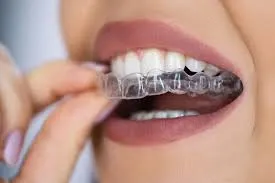

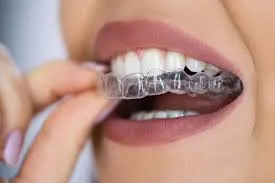
If you’ve been told you have a severe overbite, you might be wondering whether surgery is the only option or if clear aligners can still help. Consulting a local dentist in Bradenton, you'll be asked this exact question when exploring orthodontic treatment options. The good news is that in many cases, Invisalign can significantly improve, or even fully correct, an overbite without surgery, depending on the severity and underlying cause.
However, not all overbites are the same. Understanding how Invisalign works, and when surgery may still be required is key to setting realistic expectations.
What Is a Severe Overbite?
An overbite occurs when the upper front teeth overlap the lower front teeth too much. While a slight overbite is normal, a severe overbite can lead to both functional and aesthetic issues. A dentist typically classifies a severe overbite as one where:
- The upper teeth excessively cover the lower teeth
- The lower teeth may bite into the roof of the mouth
- Jaw alignment is noticeably imbalanced
- There is visible strain on teeth and gums
Left untreated, a severe overbite can contribute to tooth wear, jaw discomfort, speech difficulties, and even long-term joint issues.
How Invisalign Works for Overbite Correction
Invisalign uses a series of custom-made, clear aligners that gradually shift teeth into better alignment. For overbite correction, treatment often focuses on:
- Moving upper teeth backward
- Shifting lower teeth forward
- Adjusting vertical positioning of teeth
- Improving jaw alignment over time
When you visit a dentist, they will use digital scans to map out a step-by-step movement plan. This allows Invisalign in Bradenton to apply controlled pressure that gradually corrects the bite. For many patients, attachments (small tooth-colored grips) and elastics are also used to help guide jaw movement more effectively.
Can Invisalign Fix a Severe Overbite Without Surgery?
The answer depends on the severity and cause of the overbite.
Mild to Moderate Severe Overbites
In many cases, Invisalign can successfully treat dental overbites (meaning the teeth are misaligned, not the jaw structure itself). A skilled dentist in Bradenton may use Invisalign combined with elastics to:
- Reduce deep bite overlap
- Align front teeth properly
- Improve overall bite balance
For these patients, Invisalign is often a highly effective non-surgical solution.
Severe Skeletal Overbites
If the overbite is caused by jaw structure rather than tooth positioning alone, Invisalign may not be enough on its own. This is typically referred to as a skeletal overbite.
In such cases, a dentist may recommend:
- Invisalign combined with other orthodontic tools
- Collaboration with an oral surgeon
- In some cases, corrective jaw surgery for full correction
Even then, Invisalign is often used before and after surgery to refine alignment and improve final results.
Benefits of Choosing Invisalign for Overbite Correction
For eligible patients, Invisalign in Bradenton offers several advantages over traditional braces or surgical approaches:
- Nearly invisible appearance
- Removable for eating and cleaning
- More comfortable than metal braces
- Predictable digital treatment planning
- Fewer in-office adjustments
Many adults prefer Invisalign because it fits more easily into professional and social lifestyles.
What to Expect During Treatment
When you consult a dentist, your Invisalign journey typically includes:
- Digital scan and bite analysis
- Customized treatment plan
- A series of aligners worn 20–22 hours per day
- Regular check-ups every few weeks
- Gradual correction over several months to over a year
Consistency is key. Not wearing aligners as directed can slow progress and affect final results.
Conclusion
In many cases, Invisalign can successfully correct a severe overbite without surgery, especially when the issue is dental rather than skeletal. However, more complex jaw-related cases may still require surgical evaluation for full correction.
If you are considering treatment, visiting a trusted dentist in Bradenton is the first step. A proper diagnosis will determine whether Invisalign alone is enough or if a combined treatment approach is needed. With modern orthodontic technology, achieving a healthier, more balanced smile is more accessible and discreet than ever before.

























Sign in to leave a comment.