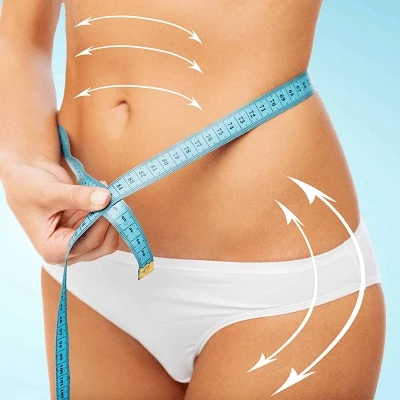

Many people consider liposuction as a quick solution to remove stubborn fat deposits, but questions often arise about its effects on the body beyond fat removal. One important concern is whether liposuction can influence how the body metabolizes nutrients, burns calories, or maintains energy balance. For those exploring options, understanding Liposuction in Islamabad can help clarify expectations and outcomes.
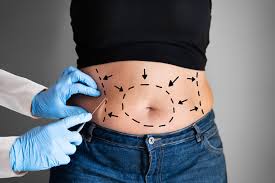
What Is Liposuction and How Does It Work?
Liposuction is a cosmetic procedure designed to remove excess fat from targeted areas of the body. Surgeons use a suction device attached to a thin tube called a cannula to extract fat deposits from areas like the abdomen, thighs, arms, and back. Unlike diet and exercise, liposuction physically removes fat cells, resulting in immediate contouring of the treated areas.
Key points about liposuction:
Removes localized fat deposits.
Improves body shape and proportion.
Can be performed under local or general anesthesia.
Often used in combination with other procedures for enhanced results.
Although liposuction effectively reduces fat in specific areas, many wonder if removing fat cells can alter metabolism in the long term.
Can Liposuction Change Your Basal Metabolic Rate?
Basal metabolic rate (BMR) refers to the number of calories your body burns at rest to maintain basic functions like breathing, circulation, and cellular activity.
Some studies suggest that liposuction does not significantly alter BMR because the procedure removes fat cells but does not change muscle mass, which is the main driver of metabolism.
The body may slightly compensate for fat loss in the short term, but overall energy expenditure tends to remain stable.
Maintaining a healthy lifestyle after liposuction is essential to prevent weight regain and maintain metabolic health.
So, while liposuction reshapes your body, it doesn’t automatically increase calorie burn.
How Does Fat Removal Affect Hormones and Metabolism?
Fat tissue is not just a storage depot—it also functions as an endocrine organ, releasing hormones like leptin and adiponectin that regulate appetite, insulin sensitivity, and inflammation.
Liposuction removes subcutaneous fat, which may slightly lower leptin levels temporarily.
Most research indicates hormonal changes are minor and short-lived, especially whenonly moderate amounts of fat are removed.
Deep visceral fat (around organs), which has a more significant metabolic role, is not targeted by liposuction.
In other words, liposuction has minimal impact on the hormones that regulate metabolism, so it cannot replace lifestyle changes like diet and exercise.
Are There Risks of Slowed Metabolism After Liposuction?
Concerns about slowed metabolism post-liposuction usually stem from misunderstandings about fat loss:
| Factor | Impact on Metabolism | Notes |
|---|---|---|
| Fat cell removal | Minimal | Only localized subcutaneous fat is removed. |
| Muscle mass | Major | Metabolism depends largely on muscle, not fat. |
| Age | Moderate | Metabolism naturally declines with age, independent of liposuction. |
| Hormonal shifts | Minor | Temporary changes in leptin or adiponectin. |
| Weight regain | Possible | Fat may return in untreated areas if lifestyle is not maintained. |
Overall, liposuction is unlikely to slow metabolism, but it’s crucial to maintain muscle mass and a healthy diet to support ongoing energy balance.
Reviews of Liposuction and Metabolic Effects
Patients and practitioners have shared insights on liposuction and metabolism:
- “I noticed a slimmer waist after liposuction, but my appetite and energy levels stayed the same. I still follow a balanced diet and exercise routine.”
- Liposuction helped with stubborn fat, but I realized it’s not a magic solution. I need to stay active to keep my results.”
- “Liposuction effectively reshapes body contours but does not significantly alter metabolism. Patients should focus on lifestyle for long-term health.”
These reviews highlight that while liposuction can improve appearance, metabolic changes are minimal and lifestyle plays the largest role in maintaining results.
Can Liposuction Prevent Weight Gain in the Future?
Liposuction can remove fat cells permanently from targeted areas, but it does not prevent weight gain entirely. Fat cells can expand in untreated areas, and if a person consumes excess calories, new fat accumulation may occur.
- Maintaining a calorie-controlled diet and regular exercise is essential.
- Combining liposuction with healthy lifestyle habits can enhance long-term outcomes.
- Liposuction works best for body contouring, not as a replacement for weight loss or metabolic therapy.
How Long Does It Take to See Metabolic Effects After Liposuction?
Because liposuction does not significantly change metabolism, there are no direct metabolic effects to observe over time. However:
- Immediate effects are visible in body shape.
- Hormonal adjustments, if any, may normalize within weeks.
- Maintaining healthy habits post-surgery ensures that metabolism stays stable.
It’s important to remember that liposuction is a tool for contouring, not for metabolic enhancement.
Table: Liposuction vs. Lifestyle Changes on Metabolism
| Aspect | Liposuction | Diet & Exercise |
|---|---|---|
| Fat removal | Yes, localized | Yes, systemic |
| Muscle preservation | Yes | Muscle mass can increase |
| Basal metabolic rate | Minimal change | Can increase with exercise |
| Hormonal impact | Minor, temporary | Significant, long-term |
| Long-term weight control | Limited | Effective with consistency |
| Best use | Body contouring | Overall health & metabolism |
This comparison makes it clear that while liposuction reshapes the body, diet and exercise remain the cornerstone for metabolic health.
Final Thoughts
Liposuction is a highly effective cosmetic procedure for removing stubborn fat and improving body contours. However, when it comes to metabolism:
- Liposuction does not significantly alter basal metabolic rate.
- Hormonal effects are minor and temporary.
- Lifestyle factors—diet, exercise, and muscle mass—play the primary role in long-term metabolic health.
For anyone considering liposuction, it’s important to have realistic expectations: the procedure enhances appearance but is not a substitute for healthy habits. Combining liposuction with proper nutrition and fitness ensures lasting results and overall wellness.
Contact Us
If you are considering Liposuction in Islamabad and want to learn more about how it can help you achieve your body goals safely, contact our expert team today. We can guide you through the procedure, recovery, and post-surgery lifestyle tips to ensure optimal results.




























Sign in to leave a comment.