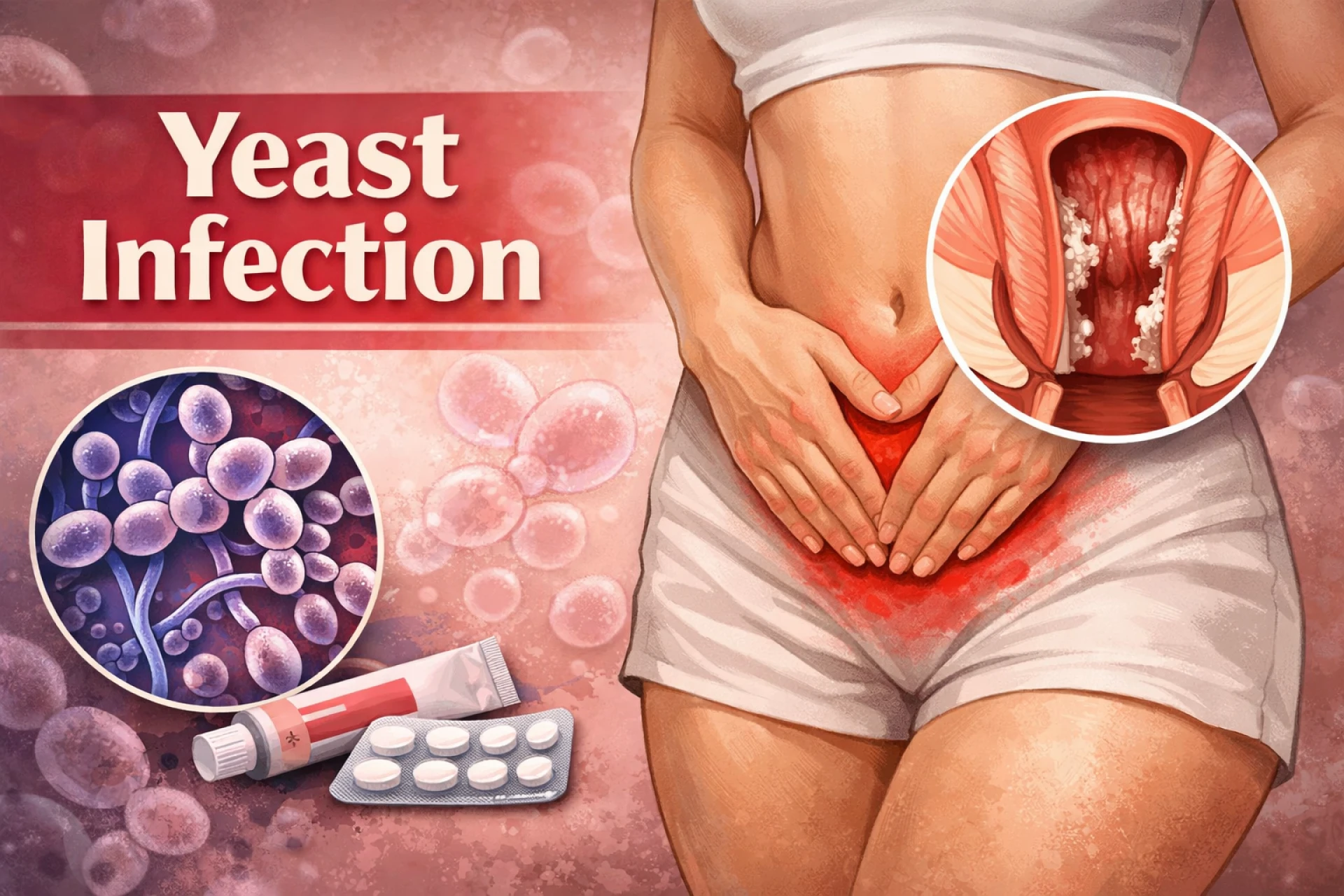

Although often associated with women, a yeast infection can also affect men. Male yeast infections are less common but still occur, particularly under certain conditions. Lack of awareness often leads to delayed diagnosis and unnecessary discomfort.
Candida yeast naturally exists on the skin, and infection develops when balance is disrupted, not through poor hygiene alone.
Common Risk Factors for Men
Men are more likely to develop yeast infections if they have diabetes, weakened immune systems, or frequent exposure to moisture. Uncircumcised men may be at slightly higher risk due to the warm, moist environment under the foreskin.
Sexual activity with a partner experiencing an active yeast infection can sometimes contribute to irritation, although transmission is not the primary cause.
Recognizing Symptoms in Men
Male yeast infections commonly affect the genital area and may cause redness, itching, burning, or irritation on the head of the penis. Some men notice a white, clumpy substance under the foreskin or experience discomfort during urination or intercourse.
These symptoms can resemble other conditions, such as bacterial infections or skin disorders, making accurate diagnosis important.
Diagnosis and Medical Evaluation
Diagnosis typically involves a physical examination and, in some cases, laboratory testing. Because symptoms overlap with other conditions, self-treatment without confirmation can be ineffective or worsen irritation.
Educational materials on yeast infection emphasize the importance of proper evaluation to ensure appropriate care.
Treatment Options for Men
Treatment usually involves topical antifungal creams applied directly to the affected area. In more severe or persistent cases, oral antifungal medication may be prescribed. Consistent use of medication as directed is essential for full resolution.
Improved hygiene, keeping the area dry, and addressing underlying health issues support recovery and reduce recurrence.
Prevention and Long-Term Outlook
Most male yeast infections resolve quickly with proper treatment. Preventive measures include managing blood sugar levels, avoiding excessive moisture, and seeking prompt care if symptoms appear.
Understanding that men can experience a yeast infection helps reduce stigma and encourages timely, effective treatment.















Sign in to leave a comment.