Have you ever thought that a renovation could actually make your home worth less instead of more?
Most people renovate their homes to improve comfort, create more space, or increase property value. While a well-planned renovation can certainly make a home more attractive to buyers, poor renovations can have the opposite effect. In some cases, bad renovation decisions can reduce a home's value and make it harder to sell in the future.
If you are new to home renovations, don't worry. This guide explains everything in simple language so you can understand how poor renovations can affect your home's value and what you can do to avoid costly mistakes.
What Is a Poor Renovation?
A poor renovation is any upgrade, alteration, or improvement that does not add value to the home or creates new problems.
This does not always mean low-quality work. Sometimes a renovation may look good but still reduce the property's appeal because it does not suit the home, the neighbourhood, or the needs of future buyers.
Why Renovations Matter
When buyers look at a home, they want a property that is safe, functional, attractive, and well-maintained.
A good renovation can:
- Improve the appearance of the home
- Increase comfort and functionality
- Reduce maintenance costs
- Make the property more attractive to buyers
- Increase resale value
However, poor renovations can create concerns and make buyers question the condition of the entire property.
Poor Workmanship Can Turn Buyers Away
One of the biggest reasons renovations can lower home value is poor workmanship.
Buyers often notice things such as:
- Uneven flooring
- Crooked tiles
- Poor paint finishes
- Misaligned cabinets
- Visible gaps and cracks
- Poorly installed fixtures
Even if these issues seem small, they can create a negative first impression.
When buyers see poor-quality work, they may wonder what other hidden problems exist behind the walls or under the floors.
As a result, they may offer less money or choose another property altogether.
Using Cheap Materials Can Cost More Later
Many homeowners try to save money by choosing the cheapest materials available.
While this may reduce renovation costs initially, it can often lead to problems later.
Buyers usually recognise low-quality finishes and may factor replacement costs into their offer.
Investing in durable and reliable materials often provides better long-term value.
Overly Personal Designs Can Reduce Appeal
Your property should represent your individuality, but highly distinctive design choices may limit buyer interest.
Examples are:
- Bright, unique wall colours.
- Rooms are highly themed.
- Custom characteristics that cater to only specific tastes
- Unusual designs
While you may love these choices, future buyers may not. Most buyers prefer neutral spaces where they can imagine their own furniture and style. The more people who can picture themselves living in the home, the easier it becomes to sell.
Removing Bedrooms Can Lower Value
In order to create larger living spaces, many homeowners choose to merge rooms.
Although this could make the present owner more comfortable, it can occasionally lower the value of the house.
For example:
Turning a four-bedroom home into a three-bedroom home may reduce its appeal to larger families.
In many property markets, bedroom count plays an important role in determining value.
Before removing a bedroom, it is worth considering how it may affect future resale potential.
DIY Renovations Can Create Problems
When done well, do-it-yourself projects can save money.
However, novice homeowners occasionally take on tasks that are too difficult for them.
Typical DIY errors include:
- Poor electrical performance
- Inappropriate plumbing configurations
- Unequal flooring
- Structural alterations
- Waterproofing problems
- Repairing these errors later on could be costly.
Unsafe labour may even result in insurance or legal issues in some situations.
For major projects, professional assistance is usually a safer choice.
Renovating Without Proper Approvals
Many areas have building regulations and approval requirements.
Some homeowners skip this step to save time or money.
However, unapproved renovations can create serious issues.
Potential problems include:
- Fines
- Legal complications
- Insurance concerns
- Difficulties during property sales
Buyers often request documentation to confirm renovations were completed correctly and legally.
Without proper approvals, they may hesitate to proceed with a purchase.
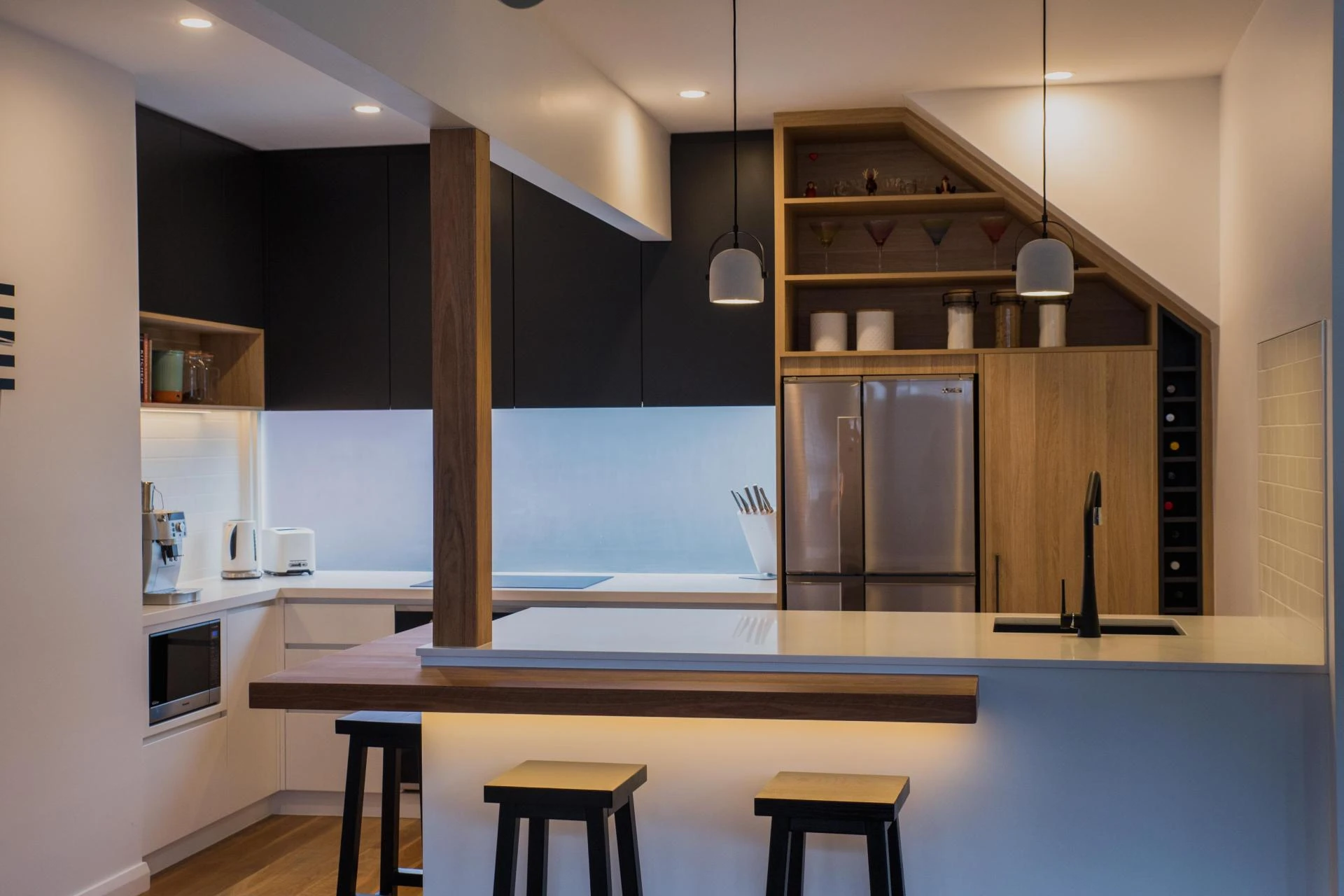
Poor Kitchen Renovations
The kitchen is one of the most important rooms in a home.
A poorly designed kitchen can negatively affect value.
Common mistakes include:
- Limited storage space
- Poor layout
- Low-quality cabinetry
- Inadequate lighting
- Cheap benchtops
A functional and attractive kitchen often provides one of the best returns on renovation investment.
Poor Bathroom Renovations
Bathrooms also play a major role in buyer decisions.
Problems such as:
- Leaks
- Poor waterproofing
- Mould
- Outdated fixtures
- Inadequate ventilation can quickly reduce buyer confidence.
Many buyers view bathroom problems as expensive repairs and may lower their offer accordingly.
Ignoring Outdoor Areas
Some homeowners focus only on interior improvements and forget about the exterior.
However, first impressions matter.
An untidy outdoor area may suggest poor maintenance throughout the property.
Simple improvements such as:
- Landscaping
- Fresh paint
- Clean pathways
- Well-maintained gardens can make a significant difference.
Overcapitalising Can Also Be Risky
Overcapitalising means spending more on renovations than you can realistically recover when selling.
For example:
Spending $200,000 upgrading a home in an area where buyers are unwilling to pay significantly higher prices may not provide a strong return.
Before starting major renovations, it is important to understand local property values and market expectations.
Poor Space Planning
A renovation should improve how a home functions.
Poor space planning can make daily living more difficult.
Examples include:
- Small kitchens in large homes
- Awkward room layouts
- Insufficient storage
- Narrow walkways
- Poor furniture placement options
Buyers appreciate homes that feel practical and easy to live in.
Energy Efficiency Matters More Than Ever
Modern buyers increasingly value energy-efficient homes.
Older renovations that ignore energy efficiency may become less attractive.
Features that many buyers appreciate include:
- Proper insulation
- Energy-efficient lighting
- Double-glazed windows
- Efficient appliances
These improvements can reduce running costs and increase appeal.
How Can You Avoid Poor Renovations?
If you are planning a renovation, consider these simple tips:
Plan Carefully
Take time to understand your goals and budget before starting.
Focus on Quality
Choose reliable materials and experienced tradespeople.
Think About Future Buyers
Even if you are renovating for yourself, consider what future buyers may want.
Follow Local Regulations
Obtain necessary approvals and ensure work complies with building requirements.
Keep Designs Timeless
Neutral colours and practical layouts often appeal to a wider audience.
Work With Experienced Professionals
Professional builders can help avoid mistakes and ensure quality outcomes.
Final Thoughts
Poor renovations can absolutely devalue your home. Low-quality workmanship, cheap materials, poor layouts, unfinished projects, and unapproved work can all reduce buyer confidence and lower resale value.
The good news is that most renovation mistakes can be avoided with proper planning and professional guidance. A successful renovation should improve both the appearance and functionality of your home while maintaining long-term value.
At Aag Constructions, we believe that every renovation should be completed with quality, care, and attention to detail. A well-executed renovation not only makes your home more enjoyable to live in but can also help protect and increase its value for years to come.



























Sign in to leave a comment.