

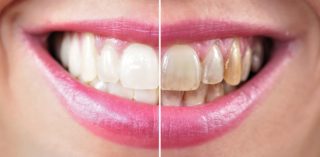
If you have been putting off smiling in photographs or covering your mouth mid-conversation, you are probably wondering whether teeth whitening can actually fix the problem - or whether it is just another overhyped beauty treatment. The short answer is: it depends on the type of stain. Yellowing caused by tea, coffee, or ageing responds very well to whitening. Deeper or structural discolouration is a different story. This article walks you through exactly how the process works, what realistic results look like, and what you should do before booking your first appointment - so you can walk in prepared, not guessing.
Understanding Why Teeth Turn Yellow or Stained
Before expecting whitening to fix a problem, it helps to understand what caused it. Tooth discolouration falls into two broad categories, and each responds differently to treatment.
Extrinsic Stains
These sit on the outer surface of the enamel and are caused by things you consume or expose your teeth to - tea, coffee, red wine, tobacco, and certain spices. Because they are superficial, they are generally the easiest to remove with whitening treatments. Most people who feel self-conscious about yellow teeth fall into this group.
Intrinsic Stains
These originate within the tooth itself - either in the dentin layer beneath the enamel or as a result of factors like fluorosis, tetracycline use during childhood, trauma to a tooth, or ageing-related thinning of enamel. Intrinsic stains are significantly harder to treat with standard whitening agents and may require a different approach altogether, such as veneers or bonding.
How Teeth Whitening Actually Works
Whitening treatments use peroxide-based agents - typically hydrogen peroxide or carbamide peroxide - that penetrate the enamel and break apart the chemical compounds responsible for discolouration. The oxygen molecules released during this reaction scatter light differently, which makes the tooth appear lighter.
There are three main formats you will encounter:
In-Chair Whitening
A dentist applies a higher concentration of whitening gel directly to your teeth, often activating it with a light or laser to speed up the reaction. Results are visible in a single session of roughly 60 to 90 minutes. This is the most controlled and consistent method.
Take-Home Trays
Custom trays are made from an impression of your teeth and filled with a lower-concentration whitening gel. You wear these for a prescribed duration - typically 30 minutes to a few hours daily - over one to three weeks. Results are gradual but can be very effective, especially for people with sensitivity concerns.
Over-the-Counter Products
Strips, gels, and whitening toothpastes are widely available. They use lower concentrations of whitening agents, which means results are modest and take longer to appear. They are better suited for maintenance than for addressing significant staining.
Realistic Timeline: What to Expect
Setting realistic expectations before you begin prevents disappointment. The speed and extent of whitening depends on the method chosen, your baseline shade, and the nature of your staining.
With in-chair treatment, most people notice a visible change of two to six shades after a single session. For Laser teeth whitening in Kothrud, the use of light activation can enhance the penetration of the whitening agent, making results more uniform and immediate - though individual outcomes still vary based on enamel thickness and stain depth.
Take-home trays typically show initial results within the first week, with full results by the end of the second or third week. Over-the-counter products may take four to eight weeks to show a noticeable difference.
Results from professional whitening generally last six months to two years, depending on your diet and oral hygiene habits. Smoking, heavy coffee consumption, and skipping regular dental cleanings all shorten the lifespan of whitening results.
How to Prepare Before Your Whitening Appointment
A little preparation goes a long way in making the treatment more comfortable and effective.
Get a Dental Check-up First
Whitening on teeth with untreated cavities, cracked enamel, or gum disease can cause pain and may worsen existing problems. A quick check-up beforehand ensures your teeth are healthy enough to proceed safely.
Manage Sensitivity Proactively
If you already have sensitive teeth, let your dentist know before the appointment. They may recommend a desensitising toothpaste in the two weeks leading up to treatment, or opt for a lower-concentration gel to minimise discomfort during the session.
Avoid Staining Foods and Habits
In the 24 to 48 hours before your appointment, reduce your intake of tea, coffee, red wine, and tobacco. Right after whitening, the enamel is temporarily more porous and vulnerable to restaining, so this window matters even more post-treatment.
If cost is a factor in your decision, it is worth exploring
Affordable teeth whitening in Kothrud - professional whitening does not have to mean an enormous investment, and comparing clinic options in your area can help you find a treatment that fits your budget without compromising on safety.
When Whitening May Not Be the Right Solution
Whitening is not a universal fix. Dental crowns, veneers, and composite bonding do not respond to peroxide-based agents - so if you have significant restorations in your front teeth, whitening the surrounding natural teeth may create a mismatched appearance. It is also less effective on grey or bluish-grey discolouration compared to yellow or brownish staining.
In these cases, a dentist may recommend alternative cosmetic options after a thorough assessment. Understanding this before you book avoids wasted time and money.
Conclusion
Teeth whitening is a well-established, evidence-backed procedure that can make a meaningful difference to the appearance of your smile - provided you go in with accurate expectations. Extrinsic, surface-level stains respond well. Intrinsic stains require more specialist input. Preparing properly, choosing the right method for your situation, and maintaining results through good oral hygiene are the three pillars of a successful whitening experience. If you are ready to take the next step, consider speaking with a dental professional through the SmyleXL Trusted Dental Clinic Network to understand which option suits your specific needs.
Frequently Asked Questions
How many shades lighter can teeth whitening make my teeth?
Most people achieve a two to eight shade improvement depending on the method used and the original colour of their teeth. In-chair professional treatments typically produce more dramatic results than at-home options. Your dentist can give you a more accurate estimate after assessing your enamel and stain type.
Is teeth whitening safe for sensitive teeth?
Yes, in most cases - but with some precautions. If you have pre-existing sensitivity, your dentist will likely recommend a lower-concentration whitening agent and shorter application times. Using a desensitising toothpaste for a couple of weeks before and after treatment also helps manage discomfort significantly.
How long does professional teeth whitening last?
Results typically last between six months and two years. This depends heavily on your diet and lifestyle habits. Frequent consumption of staining foods and drinks, as well as tobacco use, will reduce the longevity of whitening results. Periodic touch-up treatments can help maintain your shade over time.
Can whitening damage tooth enamel?
When performed correctly and within recommended concentration limits, professional whitening is considered safe for enamel. Overuse of high-concentration products or prolonged application beyond the prescribed duration can cause temporary sensitivity or surface changes. This is why professional supervision is advisable over unregulated DIY kits.
Does teeth whitening work on dental crowns or veneers?
No. Whitening agents do not affect porcelain, ceramic, or composite materials used in crowns, veneers, or bonding. If you have such restorations in visible areas, whitening the surrounding teeth could result in a colour mismatch. A dentist should assess your specific situation before recommending a treatment plan.
Source: https://justpaste.it





















Sign in to leave a comment.