
A hard, tight, or painful breast after augmentation is not something most women expect to deal with, yet capsular contracture is far more common than people realize. If you are reading this, chances are you have already noticed something feels off. You are looking for answers that do not involve another trip to the operating room.
That search is exactly why so many patients reach out to Aspen After Surgery Center. For years, our team has helped people understand what ultrasound treatment for capsular contracture can really do for them and whether it is the right next step. In this guide, we'll discuss how ultrasound treatment for capsular contracture works, whether it can help severe cases, and what you can expect from treatment at Aspen After Surgery Center.
What is Capsular Contracture?
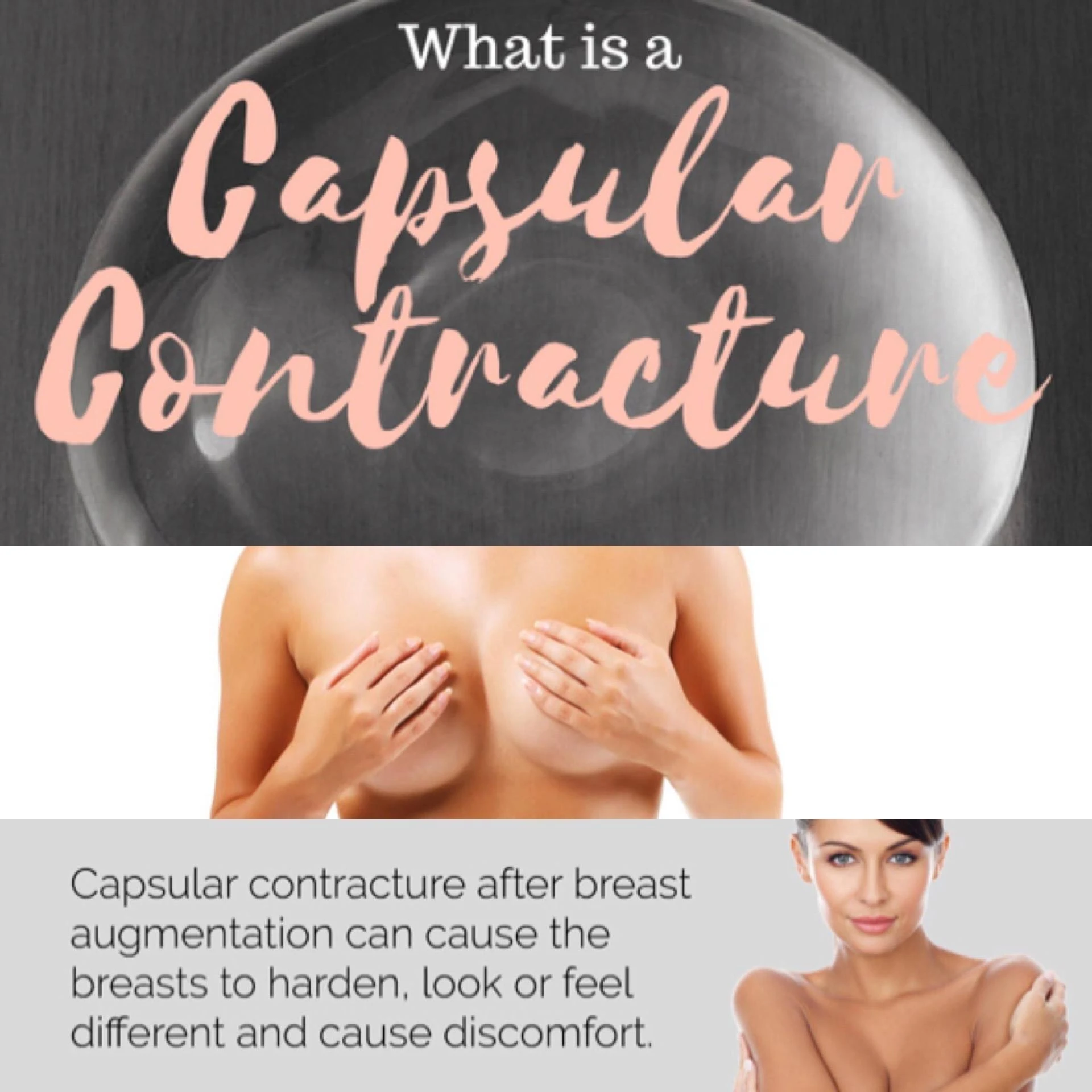
All breast implants create scar tissue, or capsules, around the implant. In most patients, the capsule remains soft and is not noticed.
With some patients, however, capsular tissue can become thick and/or tight on the implant, causing the implant to be compressed, resulting in firmness to the breast, a different appearance to the breast's shape, or pain when the breast is touched.
Healthcare Providers classify capsular contracture into 4 grades:
- Grade I: Breast appears and feels completely normal.
- Grade II: Slight firmness to the breast but still appears normal.
- Grade III: Noticeably firm breast and a change in shape is clearly visible.
- Grade IV: Most severe grade; firm, painful, and very obvious distortion of the breast.
The severity of capsular contracture helps determine which treatment options are most appropriate. During your evaluation, Aspen will assess your Baker grade before recommending a personalized treatment plan.
How Ultrasound Therapy Works
Ultrasound therapy for capsular contracture works through a handheld ultrasound device placed directly onto the skin. The ultrasound waves gently raise the temperature of the tissue just enough to enhance blood flow and stimulate the body's own healing process.
As this process continues, the scar tissue capsule that has formed around an implant can gradually become softer. For patients in the early stages of capsular contracture, primarily grades II and III, the improvement has been noticeable:
- Reduced breast discomfort after being treated with ultrasound therapy.
- Softness after treatment.
- More convenient than having to visit an operating room.
Many patients report gradual improvement over the course of multiple treatment sessions.
Is Ultrasound Therapy Effective for Grade III and Grade IV Capsular Contracture?
Most people going in for treatment want an honest answer to that question. Advanced capsular contracture is generally more difficult to treat than early-stage cases.
However, ultrasound may still have an important role in treating advanced contractures; the following are just several of the benefits experienced by patients who have had or will have ultrasound therapy:
- May help reduce breast pain and discomfort
- Improved comfort during everyday activities
- May help prepare tissue before revision surgery when surgery is recommended.
Our staff at Aspen has worked with patients who have every grade of contracture, which gives us experience in giving honest estimates of results obtained rather than exaggerating the actual results we produce.
How Aspen After Surgery Center Can Help with Capsular Contracture?
Aspen After Surgery Center specializes in treating post-surgical complications, including capsular contracture. Tim Weyant has been involved in treating people with capsular contracture for many years and leads a team dedicated to treating capsular contracture.
They begin the treatment plan by having an honest discussion about your symptoms, surgical history, and goals. Only then will their team make recommendations about how to proceed.
Treatment at Aspen involves combining ultrasound therapy with specific manual treatment techniques that work with your body's natural healing process (and not against it). You can receive these treatments regardless of where you live:
- Local patients can visit our Coral Springs, Florida, location for ongoing in-office sessions with the same trusted team.
- Out-of-town patients can take part in our Fast Track Program, built to deliver a full course of treatment during a short stay.
- Anyone still weighing their options can start with a virtual evaluation for a direct conversation with our team.
What stands out most about Aspen is the honesty built into every step. We never promise guaranteed results, especially with Grade 3 or 4 cases. Instead, you receive a clear, realistic picture of what ultrasound treatment for capsular contraction can do for your specific situation, along with a team that stays with you through the entire process.
Bottom Line
Dealing with capsular contracture can feel discouraging, especially when surgery seems like the only option on the table. For many patients, ultrasound treatment for capsular contracture opens the door to real relief without the recovery time, risk, and cost of another operation. Even in advanced cases, this treatment can ease pain and bring meaningful improvement to daily comfort.
Choosing where to go for this kind of care is just as important as choosing to pursue it. Aspen After Surgery Center brings together specialized experience, a thoughtful evaluation process, and a treatment plan built around your individual case, not a generic protocol.
Reach out to Aspen After Surgery Center today to schedule your evaluation and find out what ultrasound therapy for capsular contraction could look like for you.



























Sign in to leave a comment.