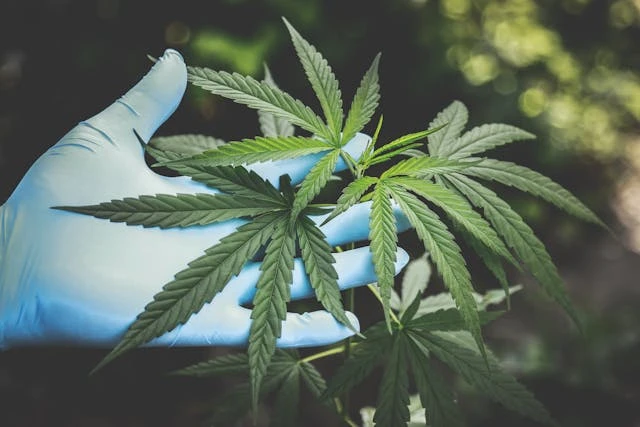

As marijuana legalization continues to expand across the United States, more individuals are exploring the possibility of cultivating cannabis at home. Whether for personal use, medical relief, or as a hobby, home growing offers a unique opportunity to engage with the plant directly. However, the legal landscape is complex and varies significantly from state to state. Understanding the rules governing home cultivation is essential to avoid legal pitfalls and ensure responsible growing practices. This checklist outlines key considerations for anyone thinking about growing marijuana at home.
Know Your State’s Laws
The first and most critical step is to determine whether home cultivation is legal in your state. As of 2025, over 20 states allow some form of home growing, either for recreational or medical use. States like California, Colorado, and Oregon permit adults to grow a limited number of plants for personal use, while others, such as New York and Virginia, have recently adopted similar policies. In contrast, states like Texas and Georgia still prohibit home cultivation entirely. Even within legal states, the number of plants allowed, the maturity stage, and the location of the grow (indoor vs. outdoor) are often regulated. Always consult your state’s official cannabis control board or department of health for the most accurate and up-to-date information.
Understand Federal vs. State Jurisdiction
Although many states have legalized marijuana, it remains a Schedule I controlled substance under federal law. This means that technically, growing marijuana is still illegal at the federal level. However, federal enforcement has generally been limited in states that have established legal frameworks. That said, growers should be cautious, especially if they live near federal property or housing governed by federal regulations. Additionally, transporting marijuana across state lines, even between two legal states, is a federal offense. Staying within your state’s boundaries and adhering strictly to local laws is the safest approach.
Secure Your Grow Space
Most states that permit home cultivation require that marijuana plants be grown in a secure, enclosed space. This often means a locked room, greenhouse, or fenced backyard that is not visible to the public. Security measures are not just about compliance, but they also help prevent theft and unauthorized access. Some jurisdictions mandate specific lighting, ventilation, and odor control systems to minimize environmental impact and neighborhood complaints. If you’re renting your home, check your lease agreement; landlords may prohibit cultivation even in legal states.
Source Your Seeds Responsibly
Once you’ve confirmed that growing is legal in your area, the next step is acquiring seeds. It’s important to purchase cannabis seeds from reputable sources that comply with state regulations. Many licensed dispensaries and online retailers offer seeds for strains tailored to medical or recreational use. Be wary of unverified sellers, especially those operating in states where marijuana is still illegal. In some regions, only registered medical patients are allowed to buy seeds, and documentation may be required. Choosing the right strain can also influence your growing experience and the effects of the final product.
Follow Cultivation Limits and Guidelines
States typically impose strict limits on the number of plants you can grow. For example, Alaska allows up to six plants per adult, with a maximum of 12 per household, while Arizona permits six plants per person but caps households at 12. Some states differentiate between mature and immature plants, counting only flowering plants toward the legal limit. Exceeding these limits can result in fines, criminal charges, or forfeiture of your crop. Additionally, many states prohibit the sale of home-grown marijuana, even if it’s gifted or shared. Keeping detailed records of your grow such as plant counts, dates, and strain types, can help demonstrate compliance if questioned by authorities.
Conclusion
Growing marijuana at home can be a rewarding and cost-effective way to access cannabis, but it requires careful attention to legal and practical details. By understanding your state’s laws, respecting federal boundaries, securing your grow space, sourcing seeds responsibly, and adhering to cultivation limits, you can enjoy the benefits of home growing while staying within the bounds of the law. As regulations continue to evolve, staying informed and proactive is key to cultivating safely and legally.






Sign in to leave a comment.