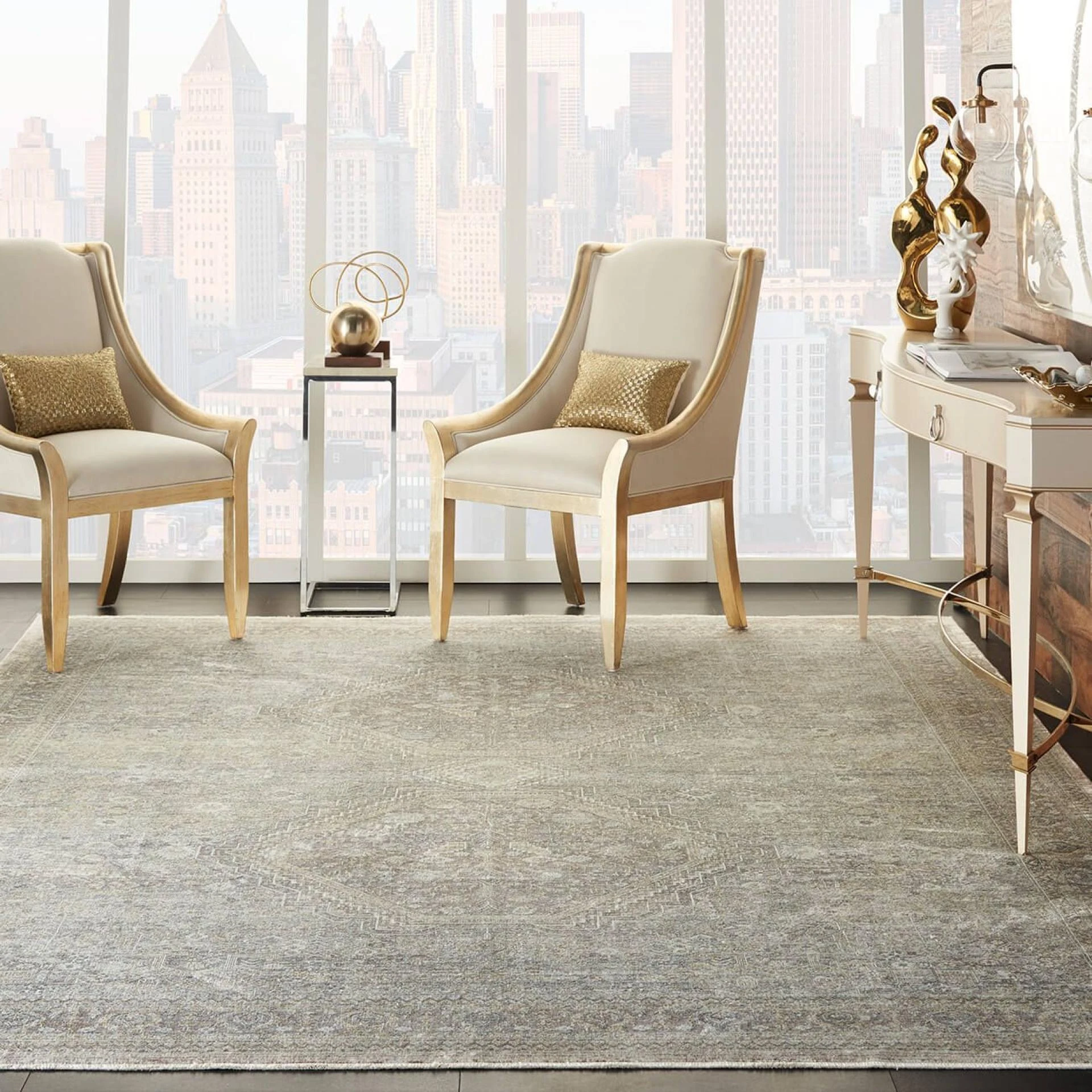

An excellent method to add some colour to your interior design is using rugs! Rugs can be used to divide open floor plans, add energy to a space, or just cover your wood floors, but it's crucial to use them sparingly. While there are no hard-and-fast guidelines for how many rugs are too many, you can employ some fantastic interior decoration ideas to ensure that your space doesn't appear overly cluttered.
Use Thin Rugs for Layering:The majority of individuals think layering rugs looks good. If you have multiple thin rugs in your home, this is a great decorative concept. But if you have plush rugs, like thick fur rugs, it doesn't look well. If you have multiple thick rugs, avoid layering rugs and instead use one rug as the floor covering in each area.
Be Sure to Mix the Fabrics:Using an excessive amount of the same fabric in one area can significantly alter the room's overall appearance, making this one of the most common blunders in interior design. That is to say, no matter how many vivid hues and striking artworks you have, it might make the room appear lifeless. It's crucial to employ a range of textiles and materials to create texture in the space. If replacing every textile in your living room is out of your price range, a rug with a different texture could be a perfect solution!
Only Three Kitchen Rugs at Most:The purpose of a kitchen is not to be as comfortable as the rest of the house. For this reason, you should only have three kitchen rugs at most. It is normal to place a sizable area rug on the floor beneath your dining table if you have one. The area of the kitchen floor just in front of the sink is another popular spot for kitchen rugs. Finally, set a little rug in front of the rear entrance. This rug ought to serve as a welcome mat for people to use for foot scrubbing.
Ensure that Multiple Rugs Go Well Together:Make sure the rug styles are complementary when combining various patterns and materials. Add carpets in muted hues. Refrain from utilizing an excessive number of patterns in one space. A space has harmony when the rugs are precisely coordinated with one another. The area will feel hectic if they don't.
Make a Lot of Open Floor Space Available:Your entire floor shouldn't be covered in rugs. To fully showcase your hardwood floors, make sure to leave enough of floor space! A minimum of 12 to 18 inches should separate your rug from the wall. This guideline only applies if the rug is placed below a large piece of furniture, in which case it must be up against the wall.
It is crucial to provide space between enormous rugs when utilizing them to separate a room into several areas. If you don't, the space may look disorganized and cluttered. To assist divide the space into portions, allow a minimum of 12 inches to exist between each rug. For this idea, think about utilizing smaller rugs so as not to overprotect your floor.
It's Vital to Be Practical:Although interior design is a creative and stimulating pursuit, practicality is also necessary for day-to-day living—this is your home, after all. Shag or sheepskin rugs, for example, feel wonderful underfoot and look fantastic, but they're not very useful in a bathroom. The flooring in your bathroom, regardless of size, will ultimately become damp and disintegrate. The obvious symptoms of this include a worn-out, matted, and even unclean appearance of the rug. This is not to argue against having aesthetically pleasing items like rugs in bathrooms; just make sure they are easy to clean or use!
Decide on the Rug Size Based on Your Space:The size of your rug should be determined by the size of the space. Little carpets work nicely in cramped areas like restrooms and foyers. It's also a good idea to cover the floor with tiny rugs in areas with limited floor space, like the kitchen. Large area rugs should only be used in rooms with open floors, including living rooms and dining rooms.
Don't Use Small Static Rugs:It makes sense that some people choose a smaller rug instead of a larger one because it's generally accepted that larger rugs are more expensive. First off, buying larger rugs doesn't always have to be expensive. Second, a rug that just touches the edges of as many pieces of furniture as possible would be the perfect size rather than one that covers the entire floor. To do this, you may always push your furniture forward and experiment with spacing.
Rug Positioning Is Important:It's crucial to evaluate the placement of your rugs in the space when deciding if you have too many of them. Arranging multiple rugs in a focal point of a room will give the impression that the space is too furnished. Instead, cover a room with rugs. This will create the ideal balance in your room!
When utilizing rugs as furniture covers, it's imperative to avoid placing them too near to one another. It's a terrific idea to cover old furniture with a flat weave rug! However, it will appear as though there are too many rugs in the room if you have large flatweave rugs covering both the floor and your furniture. Rather, use rugs to cover large furniture pieces and leave your lovely hardwood floors naked to showcase them.
Lay Down Runners Above Carpet:To protect the carpet, runners are frequently placed over it. To achieve this style, there are a few interior design ideas that you should bear in mind. Make use of a thin-material runner first. Lavish carpet and plush runners together will give the impression that you have an excessive number of rugs. Second, choose a hue that is either the opposite of your carpet's colour or one that is similar to it. The room's colour scheme will look nicer if everyone uses the same hue. The space will have harmony if you decide to choose the opposing colour.








Sign in to leave a comment.