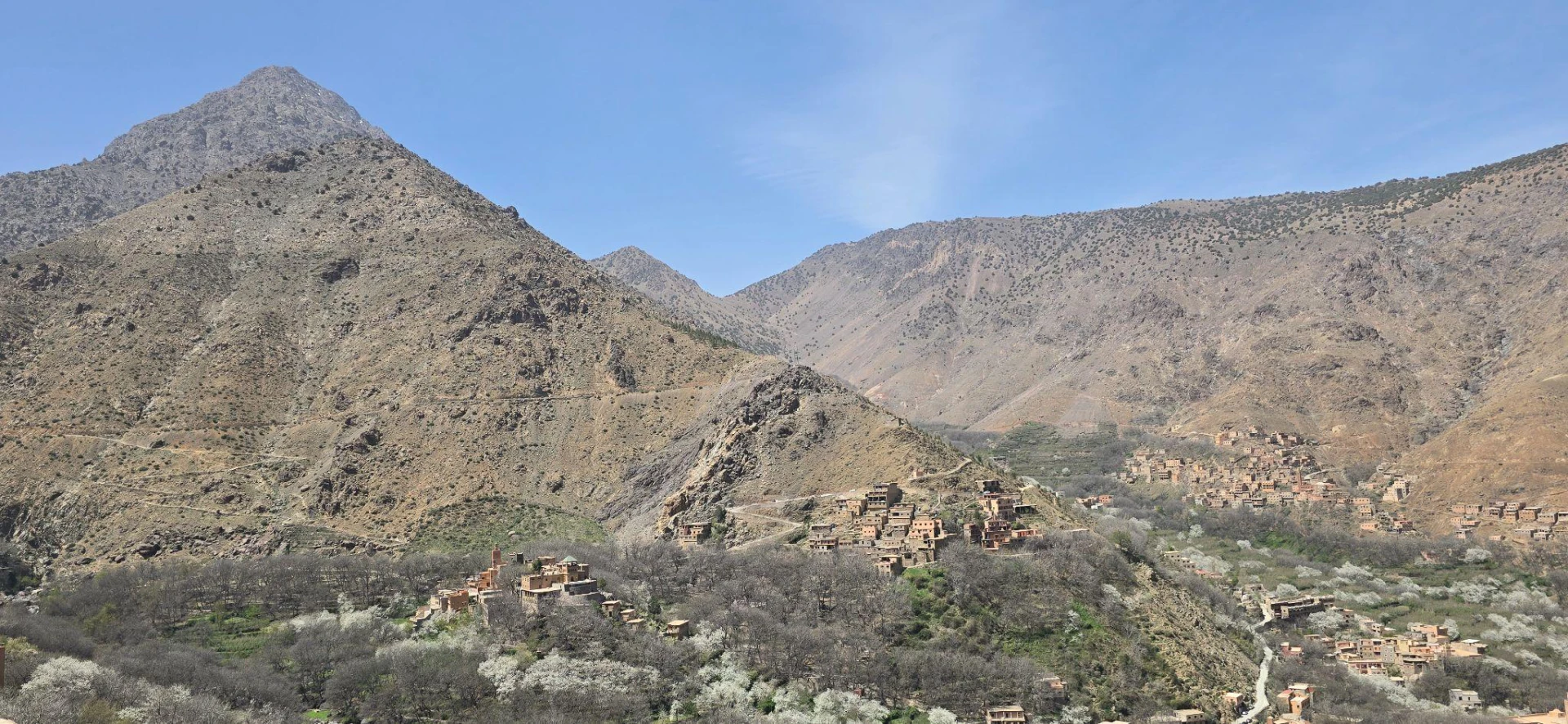

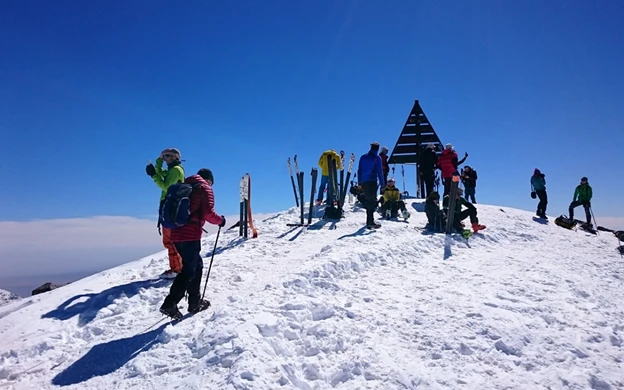
Mount Toubkal is the highest peak in North Africa, standing tall at 4,167 meters. It's part of the High Atlas Mountains and is a popular destination for anyone interested in trekking in Morocco. But many people ask: is it really possible to climb Mount Toubkal without a guide? The short answer is yes—but whether you should is a different matter. This post takes a close look at the facts, risks, and firsthand accounts to help you decide.
What the Regulations Say About Independent Climbs
The Moroccan authorities have not banned solo climbs of Mount Toubkal, but they strongly recommend using a licensed guide. Since a few unfortunate incidents in past years, there’s been an increase in monitoring of who goes up the mountain and how. In fact, at the village of Imlil—where most treks begin—you might be asked to register your trip with the local authorities. While they might not stop you from going alone, they could advise against it.
Most trail checkpoints are there to ensure trekkers are safe and properly prepared. If you're without a guide, you’ll need to clearly explain your plan, show your equipment, and confirm that you're experienced. While this isn't strict enforcement, it does reflect a concern for the safety of those trekking in the Atlas Mountains.
Safety Risks for Independent Trekkers
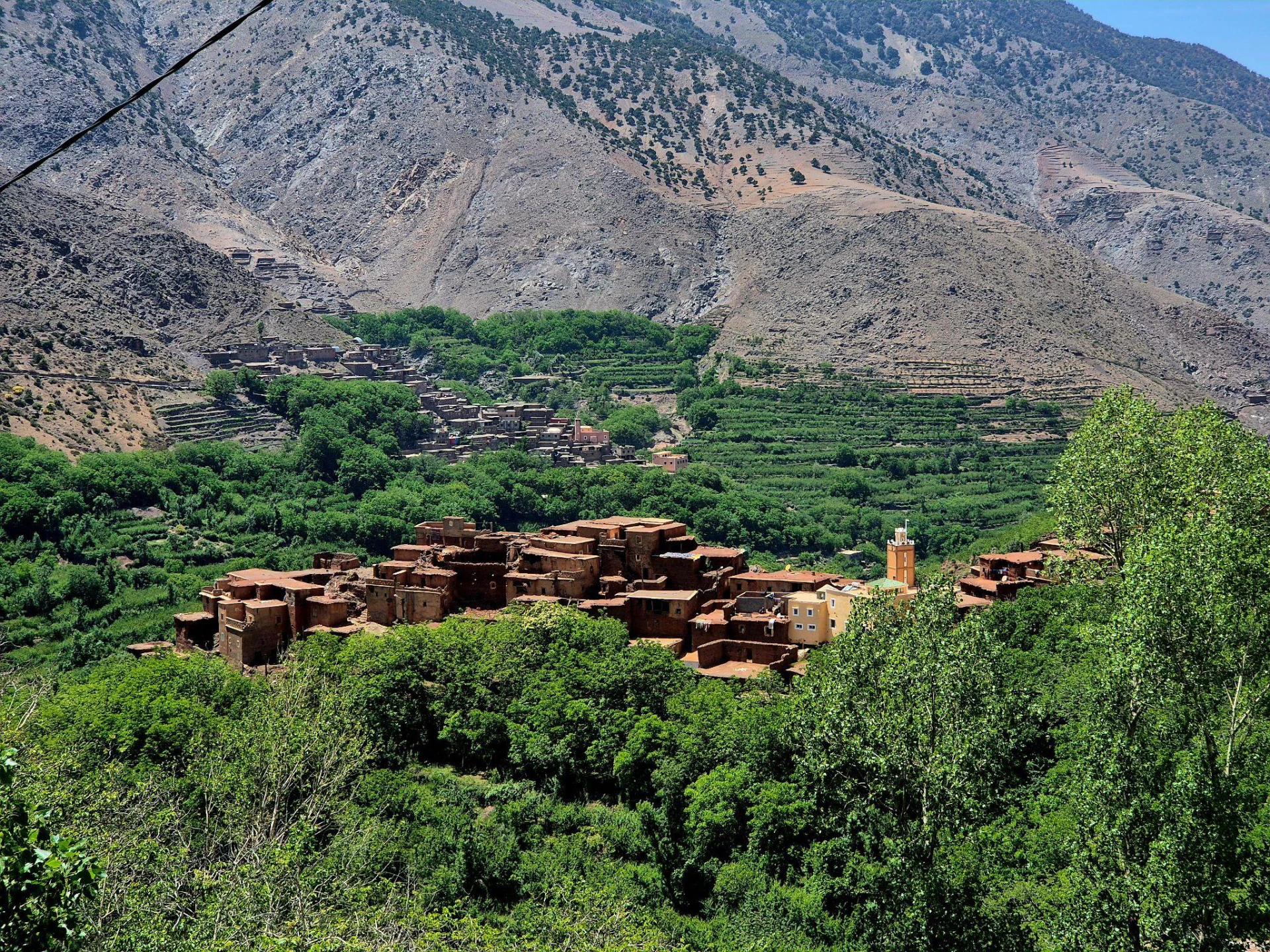
Mount Toubkal is not a technical climb in summer, but the route is long and steep and includes a high-altitude summit. Even seasoned hikers who are used to hiking in Morocco’s Atlas Mountains have admitted to underestimating the challenges.
The weather can change quickly. In winter, snow and ice cover most parts of the trail, and a Mount Toubkal winter climb without the right gear or skills can be extremely dangerous. Rescue services are limited and slow. Cell phone signals are spotty. If something goes wrong, you could be stuck for hours or even overnight without help.
Past independent trekkers have reported problems with altitude sickness, getting lost on the trail, or missing trail markers. Without a guide, any mistake takes longer to correct. While some have made it to the summit and back safely, many have noted that it would have been easier and less stressful with a professional guide.
Local Knowledge Is Hard to Replace
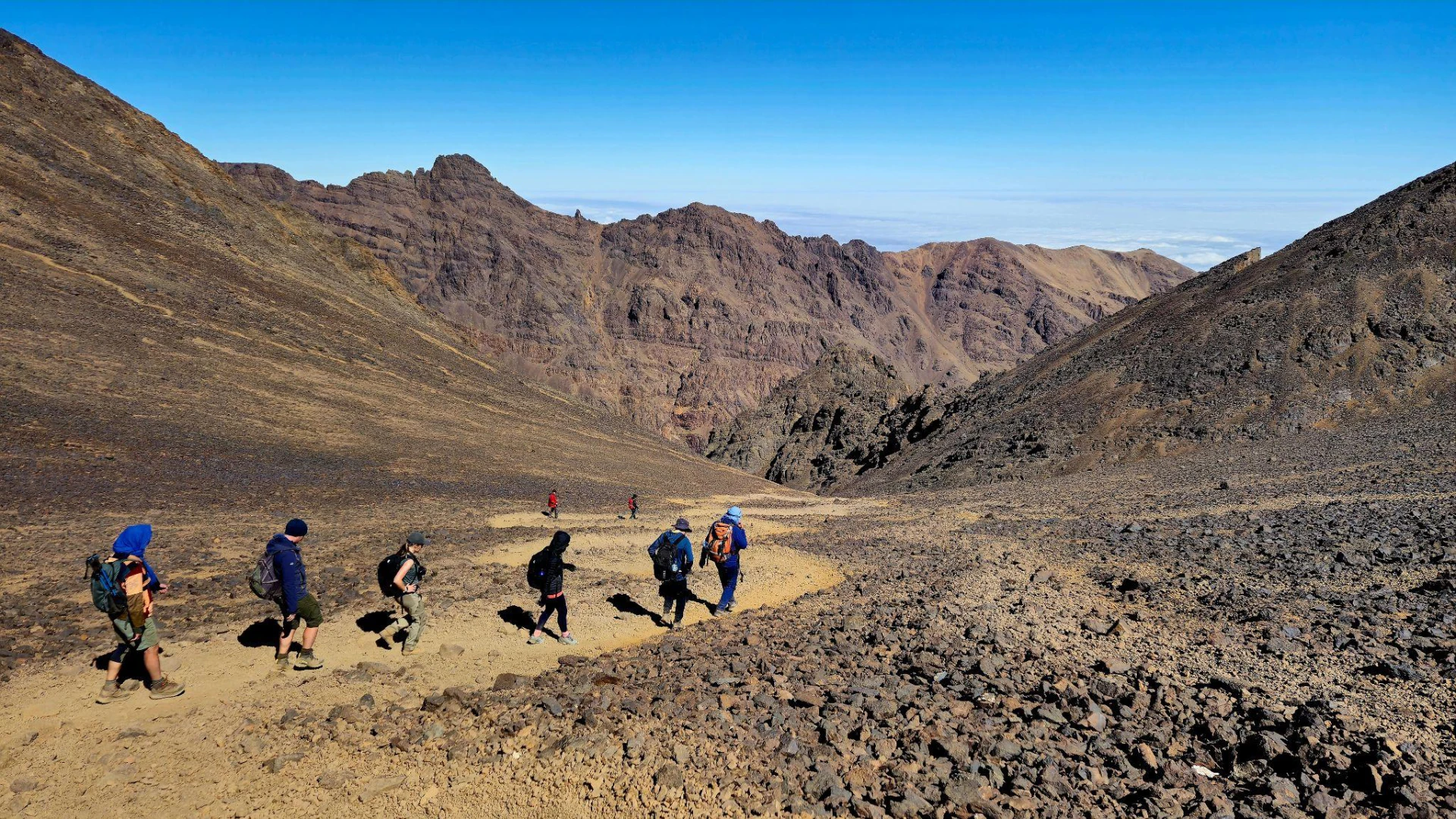
A licensed guide brings more than just direction. These individuals know the trail, the weather patterns, and the emergency contact points. They often have first aid training and carry essential items that solo trekkers might overlook. Guides are also connected with the community, which helps in case of illness or injury.
Even experienced climbers have found that guides helped them adjust to altitude, advised on the right pace, and managed overnight stays in mountain refuges more efficiently. Some trekkers reported that a local guide even helped them avoid groups of aggressive wild dogs or advised on better time slots to avoid crowding.
While maps and GPS devices help, they can’t warn you of sudden snowstorms, poor trail conditions, or minor route changes. That kind of information usually comes from people who are on the mountain every day.
What Past Independent Climbers Have Said
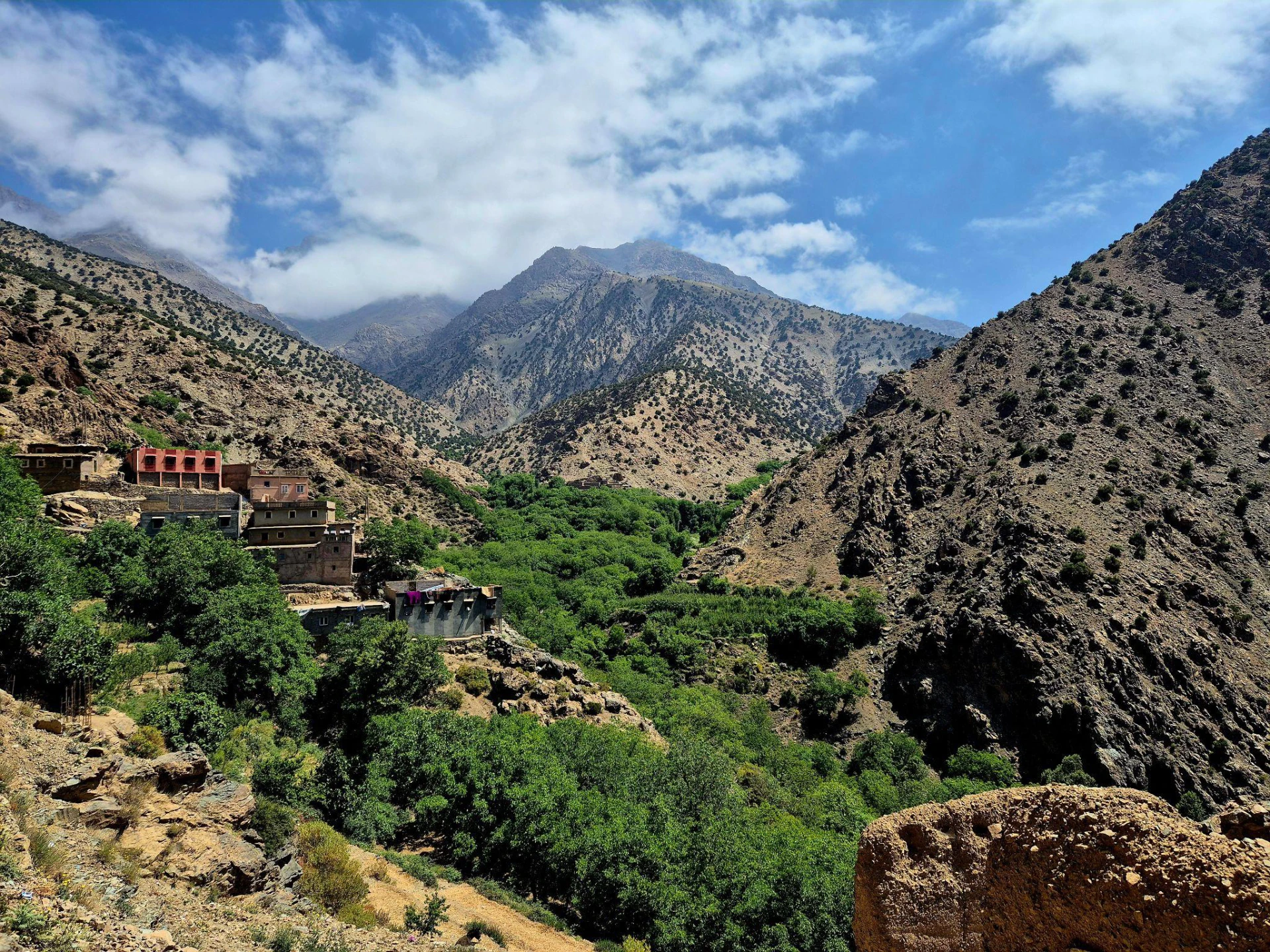
People who have completed the Mount Toubkal trek without a guide usually fall into two groups. The first are highly experienced hikers who have done high-altitude treks elsewhere and were well-equipped. They tend to recommend that only those with similar backgrounds consider going alone.
The second group is budget travelers or those trying to test their limits. While some succeeded, many later shared that they wouldn’t do it again solo. Common complaints include feeling unsafe, being uncertain of the route, or regretting not having someone knowledgeable to talk to during difficult moments.
Online forums include reports of people needing help from other groups, missing key route signs, or being stuck on the mountain overnight due to poor planning. A few people were rescued by locals or other hikers. These accounts consistently warn new visitors not to underestimate Toubkal—even in the summer.
Should You Climb Toubkal Alone?
Yes, climbing Mount Toubkal without a guide is possible. No official ban prevents it. But possible doesn’t mean smart or safe. Especially for those without previous experience in high-altitude trekking, the risks are serious. Weather, trail difficulty, and limited rescue services all play a role in making solo attempts risky.
For anyone planning on trekking in Morocco or specifically trekking in the Atlas Mountains, hiring a guide adds a layer of security and peace of mind. It's not just about convenience; it's about safety, local insight, and being able to focus on the challenge without unnecessary stress.
For a reliable and safe experience, consider booking your Mount Toubkal trek through Omar Adventures. Their experienced team offers support, knowledge, and a better way to enjoy one of Morocco’s most popular treks.
Contact them today.


























Sign in to leave a comment.