Can You Really Reverse Early Tooth Decay? Sometimes
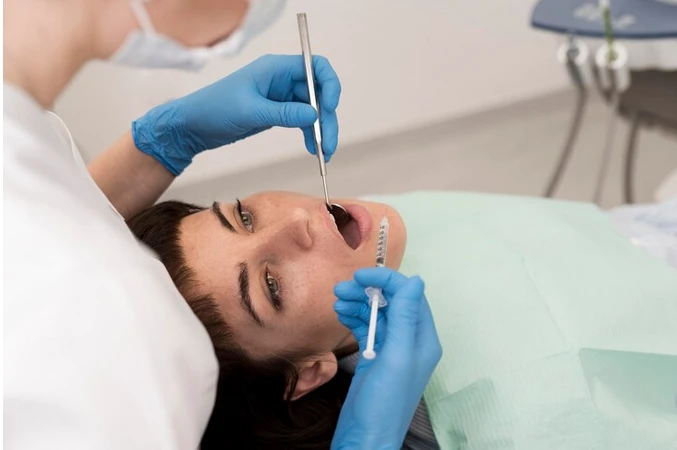

It is a hopeful question, and it comes up a lot: can a cavity heal on its own? The honest answer is a careful yes, with a big asterisk. Tooth decay is not quite the one-way street people imagine. In its earliest stage, before a hole has actually formed, the process can sometimes be halted and even partly reversed. Push past that stage, though, and the window closes. A tooth cannot regrow the way skin does. Understanding where that line sits is the difference between saving a tooth with good habits and finding out, later, that it needed a filling all along.
How decay actually starts
Decay begins with acid. Bacteria in the mouth feed on sugars and produce acid, which pulls minerals out of the enamel, the hard outer layer. This early mineral loss is called demineralization, and at this point there is no hole yet, just a weakened, sometimes chalky-looking patch. This is the stage that can still go either way.
Where remineralization helps
The mouth has its own repair process. Saliva and minerals, helped along by fluoride, can push minerals back into weakened enamel and reharden it. That is remineralization, and it is the mechanism behind reversing very early decay.
What tips the balance
- Fluoride, from toothpaste or a professional treatment
- Cutting back on frequent sugary and acidic snacks
- Good brushing and cleaning between teeth
- Enough saliva, which a dry mouth works against
A professional fluoride treatment is one of the tools that strengthens enamel against that early loss, which is why it comes up for people at higher decay risk.
The point of no return
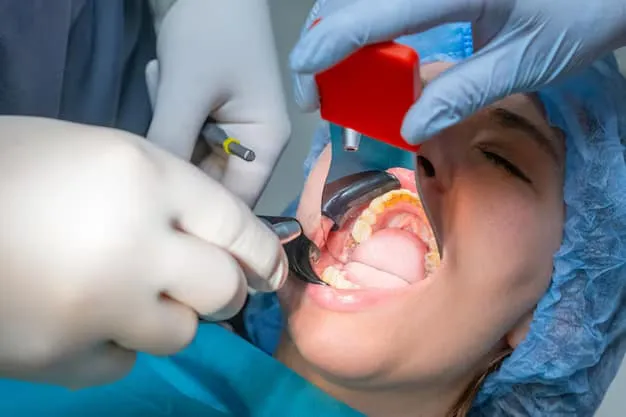
Once the acid has broken through the enamel and formed an actual cavity, remineralization cannot rebuild it. The structure is gone, and a bacterial hole does not fill itself back in. At that stage, the fix is a dental filling, which cleans out the decay and seals the tooth before it spreads deeper. Waiting and hoping only lets it grow.
Why early detection matters so much
The catch is that early decay rarely hurts and is hard to spot at home. It is often found at a checkup, sometimes on an X-ray, while it is still reversible. That is the practical argument for not skipping routine visits: the reversible stage is also the invisible one, and catching it there can mean a fluoride plan and better habits instead of a drill.
The realistic takeaway
So, can you reverse tooth decay? Early on, genuinely yes, with fluoride, cleaner habits, and less frequent sugar, giving the enamel a chance to reharden. Once a real cavity has formed, no, and chasing that hope just lets the problem advance. The useful move is to treat any mention of early decay as a live window rather than a verdict, and to act while the tooth can still swing back toward healthy. Clove Dental and most practices would far rather catch it in that window than after it has turned into something only a filling can solve.




Sign in to leave a comment.