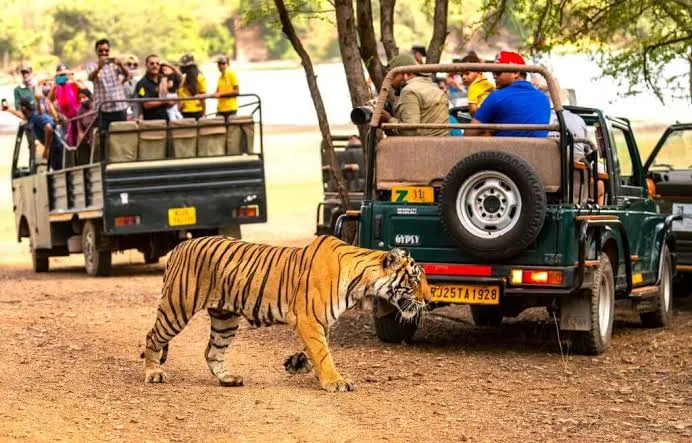

Planning a wildlife safari to Rajasthan often sparks a major question among travelers: can you actually visit Ranthambore during the monsoon season? The straightforward answer is yes. While peak summer and cool winter months draw the largest crowds, the rainy season transforms the arid scrublands of Sawai Madhopur into a lush green haven.
Visiting Ranthambore National Park between July and September offers an entirely distinct perspective of the jungle. Understanding park operations, open safari zones, weather conditions, and accommodation options ensures a smooth and memorable wilderness getaway.
Understanding Park Accessibility During the Rainy Season
A common misconception is that Ranthambore National Park shuts down entirely during the monsoons. In reality, the core safari zones (Zones 1 through 5) remain closed from July 1st to September 30th every year. This closure allows the forest floor to regenerate, prevents vehicle damage to saturated trails, and gives wildlife an undisturbed breeding period.
The buffer zones (Zones 6 through 10), however, stay accessible to visitors throughout the monsoon months. These buffer gates provide regular morning and afternoon safari drives, subject to prevailing weather and track conditions. The terrain in these peripheral zones features rugged hills, seasonal streams, and dense foliage, making every safari drive visually dramatic.
Reasons to Visit Ranthambore in the Monsoon
1. The Forest in Full Bloom
The Aravali and Vindhya ranges surrounding the reserve undergo an incredible transformation after the first showers. The dry, golden-brown deciduous landscape turns emerald green. Water bodies such as Padam Talao, Malik Talao, and Rajbagh Lake replenish, while seasonal waterfalls cascade down ancient rock faces.
2. Fewer Crowds and Peaceful Safaris
Monsoon travel appeals strongly to travelers seeking tranquility. Because tourism numbers drop significantly compared to winter peak season, you will encounter fewer safari vehicles on the tracks. This results in quiet, uninterrupted drives through the mist-shrouded wilderness.
3. Excellent Birdwatching Opportunities
The influx of rain attracts numerous resident and migratory avian species. Birders can spot painted storks, crested serpent eagles, Indian grey hornbills, kingfishers, and various cuckoos nesting across the buffer belts and wetland fringes.
4. Sightings Beyond Big Cats
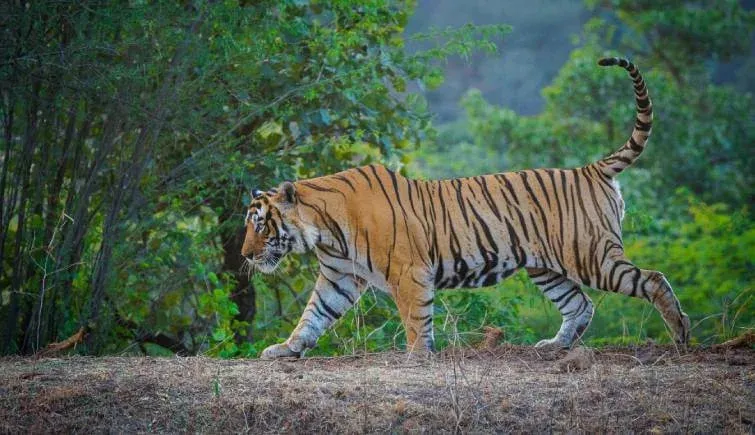
While dense monsoon vegetation makes spotting the Royal Bengal Tiger more challenging, the park teems with active wildlife. Sambar deer, spotted deer (chital), wild boars, nilgai, and langurs frequently forage near open clearings and rain-fed pools.
Weather and Safari Logistics
Sawai Madhopur experiences moderate to heavy rainfall from July through September. Humidity levels rise, but daytime temperatures become noticeably cooler compared to the intense desert summer.
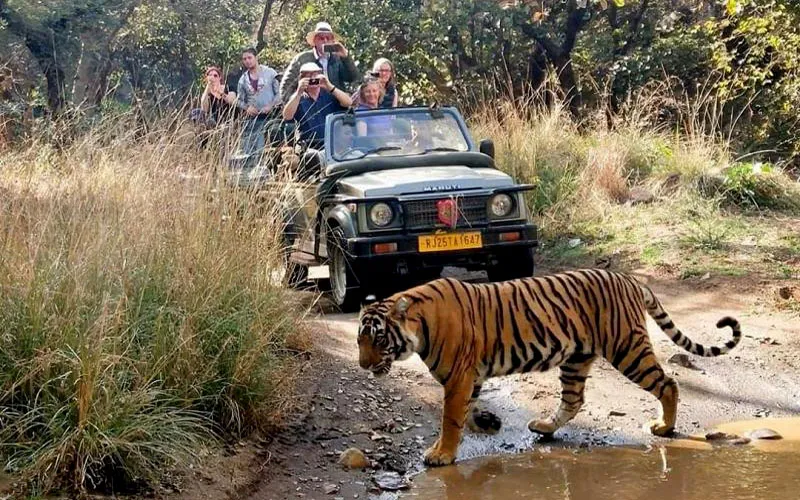
Safari bookings for Zones 6 to 10 are conducted through the official forest department booking portal. Both 6-seater open-top gypsies and 20-seater canters operate during this period. It is advisable to book open gypsies and carry waterproof covers or dry bags to protect cameras, binoculars, and personal electronics from sudden downpours. In cases of severe rainfall or waterlogged tracks, park authorities may temporarily delay or reschedule safari departures for safety reasons.
Exploring Cultural Landmarks and Scenic Surroundings
A monsoon trip to Ranthambore extends beyond safari trails. The region houses remarkable historical and cultural sites that look breathtaking amid overcast skies.
Ranthambore Fort
Perched atop a 700-foot hill inside the reserve, the 10th-century UNESCO World Heritage Site offers sweeping panoramic views of the green valleys below. During the rains, low clouds roll across the ancient ramparts, creating an atmospheric setting for history enthusiasts.
Trinetra Ganesh Temple
Located inside the Ranthambore Fort, this revered shrine draws devotees throughout the year. The trek up to the temple takes you past historic ruins, ancient stepwells, and natural viewpoints framed by lush greenery.
Surwal Lake and Mansarovar Dam
These scenic water reservoirs on the outskirts of the town fill up during the monsoon, making them idyllic spots for morning photography, birdwatching, and quiet nature walks.
Choosing Your Stay
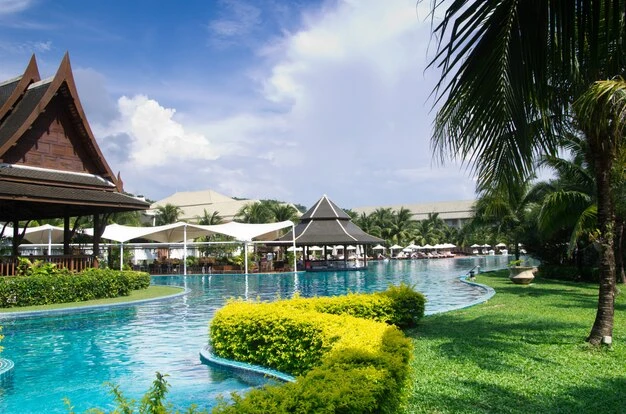
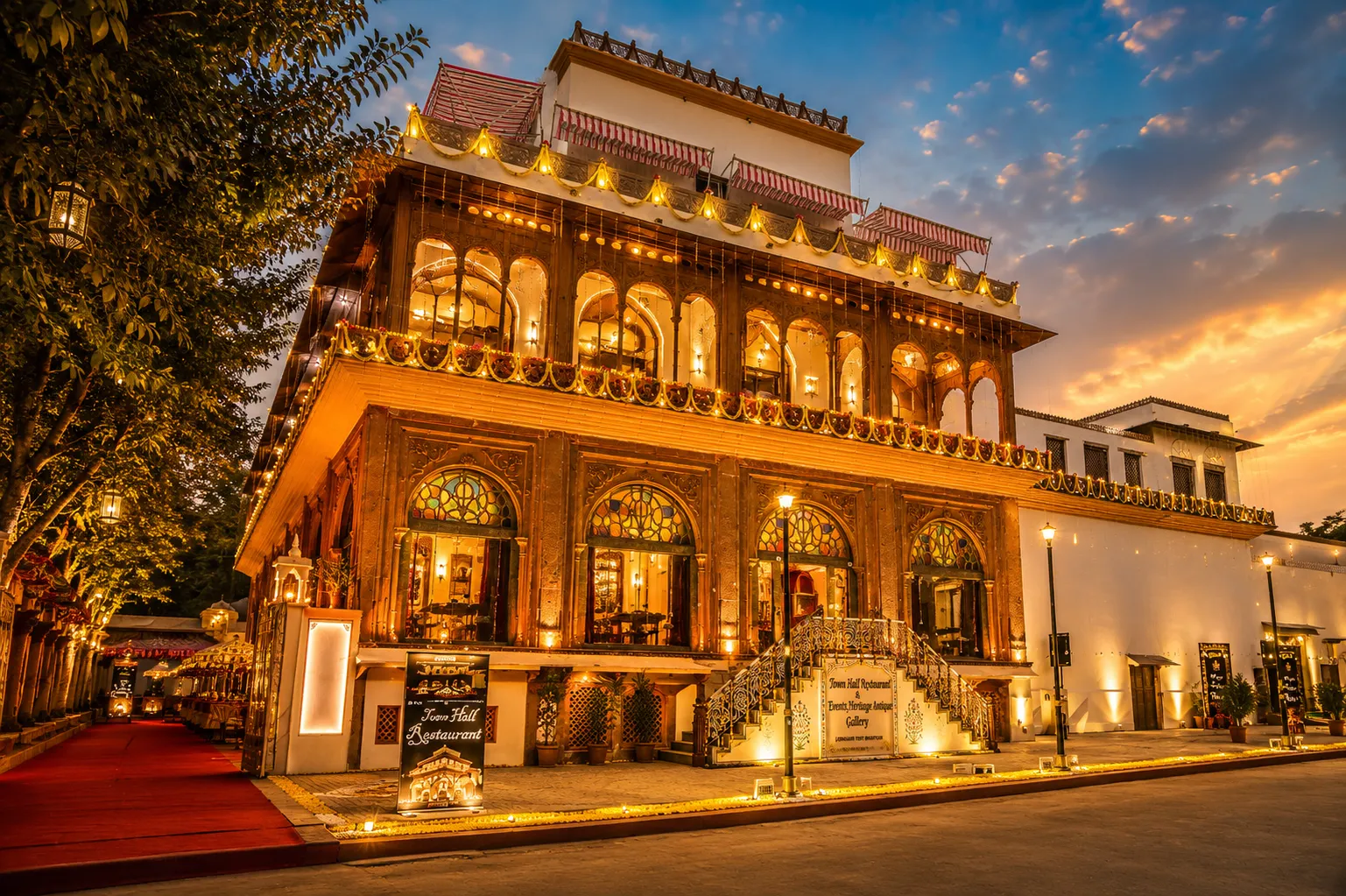
A comfortable stay elevates the entire wildlife experience, especially during the rains when spending cozy downtime indoors is part of the charm. Picking the right base allows you to enjoy warm hospitality, regional Rajasthani cuisine, and peaceful nature views right from your room. When evaluating the best resorts in Ranthambore, look for properties that provide well-maintained amenities, proximity to safari boarding points, and attentive on-ground travel guidance.
For travelers planning a romantic getaway surrounded by mist and tranquil wilderness, booking a curated 2N 3D Couple Package Ranthambore provides a well-rounded itinerary combining safari drives, relaxed stays, and local sightseeing.
Practical Tips for Monsoon Travelers
- Pack Quick-Drying Attire: Bring lightweight, breathable fabrics in earth tones like olive, beige, and khaki. Avoid bright colors inside the park.
- Carry Rain Gear: A sturdy poncho or waterproof jacket is essential, as open safari vehicles provide no overhead protection against sudden showers.
- Protect Camera Equipment: Pack silica gel pouches, waterproof dry bags, and rain sleeves for telephoto lenses and camera bodies.
- Keep Flexible Plans: Buffer zones are wild and unpredictable. Keep realistic expectations regarding tiger sightings and focus on enjoying the vibrant ecology, scenery, and peaceful atmosphere of the monsoon forest.





















Sign in to leave a comment.