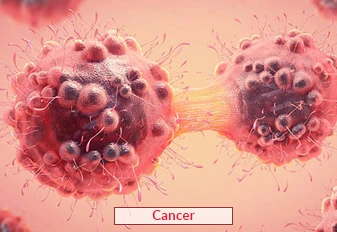

Cancer is a disease marked by the uncontrolled growth and spread of abnormal cells in the body. These cells can invade surrounding tissues and may also spread to distant parts of the body, a process known as metastasis. It’s important to understand that cancer is not a single disease but a group of related diseases—there are more than 100 types, each named for the organ or type of cell where it originates.
At its core, cancer is a genetic disease. It results from changes (mutations) in DNA that affect genes controlling cell division and function. These genetic alterations can be inherited or caused by environmental exposures, such as tobacco smoke, radiation, or infections.
Global Impact and Increasing Incidence
Cancer was responsible for nearly 10 million deaths worldwide in 2020, making it one of the leading causes of death globally. One of the main reasons for the increase in cancer incidence is aging. As people live longer, age-related mutations accumulate in the body, increasing the likelihood of cancer development.
How Cancer Develops
The DNA in each cell contains numerous genes that instruct the cell on how to grow, divide, and carry out various functions. When these instructions are disrupted, cells may begin to multiply uncontrollably, forming tumors. While not all tumors are cancerous (benign), malignant tumors have the ability to invade nearby tissues and spread throughout the body.
Cancer Treatment Procedures
Cancer treatment varies based on the type and stage of cancer, as well as the patient’s overall health. A multidisciplinary approach is often used to personalize treatment. The primary goal is to cure the disease or prolong life while improving the patient’s quality of life.
Types of Cancer Treatment
Primary Treatment: Typically involves surgery, radiation, or chemotherapy to completely remove or destroy cancer.
Adjuvant Treatment: Used after the primary treatment to eliminate any remaining cancer cells and reduce the risk of recurrence.
Palliative Treatment: Focuses on relieving symptoms and improving comfort, especially in advanced stages.
Diagnostic Methods
Early detection significantly improves treatment outcomes. This includes:
HPV Testing for cervical cancer.
Mammography for breast cancer screening, particularly for women aged 50–69.
At Edhacare, we guide patients through the entire diagnostic process, helping them access advanced imaging, pathology labs, and top-tier hospitals across India and other countries for early and accurate cancer detection.
Modern Cancer Therapies
Radiation Therapy
Radiation therapy uses high-energy X-rays to target and kill cancer cells. It can be external or internal (brachytherapy). This treatment aims to destroy cancer cells while minimizing harm to surrounding healthy tissues.
Chemotherapy
Chemotherapy involves drugs that attack rapidly dividing cells. While effective, it can also affect healthy cells, leading to side effects. Many cancers are treated with chemotherapy alone or in combination with other treatments.
Immunotherapy
Immunotherapy boosts the immune system's ability to fight cancer. It includes treatments like immune checkpoint inhibitors and CAR-T cell therapy. This is especially promising for cancers like melanoma and lung cancer.
Targeted Therapy
This approach uses drugs that specifically target the genetic abnormalities in cancer cells. It causes fewer side effects and is often combined with other treatments for maximum effect.
Palliative Care
Palliative care is crucial for managing symptoms and maintaining dignity in advanced stages of cancer. It includes pain management, emotional support, and spiritual care. Edhacare connects patients to palliative specialists, hospices, and counseling services that offer holistic care.
Edhacare’s Role in Cancer Care
Edhacare serves as a trusted partner in cancer treatment and care coordination. From initial diagnosis to treatment selection, we assist international patients in finding the best hospitals, oncologists, and affordable treatment packages. We also provide support for medical visas, accommodation, and translators—ensuring a seamless healthcare journey.
In addition, Edhacare emphasizes early detection and prevention, offering comprehensive check-up packages, awareness campaigns, and educational resources to help patients stay ahead of the disease.
Cancer Prevention Tips
While not all cancers are preventable, adopting a healthy lifestyle significantly lowers risk. Key prevention strategies include:
Avoiding smoking and exposure to tobacco
Limiting alcohol consumption
Eating a balanced, plant-rich diet
Maintaining a healthy weight
Exercising regularly
Getting vaccinated (e.g., HPV, Hepatitis B)
Participating in regular screenings
Edhacare facilitates access to preventive health check-ups and vaccination programs through its network of trusted healthcare partners.
Conclusion
Cancer remains one of the most formidable health challenges worldwide. Yet, with advances in medical science, early detection, and personalized treatments, survival rates and quality of life are improving. Edhacare is proud to play an integral role in supporting cancer patients—empowering them with the right information, access to world-class care, and compassionate support throughout their journey.














Sign in to leave a comment.