
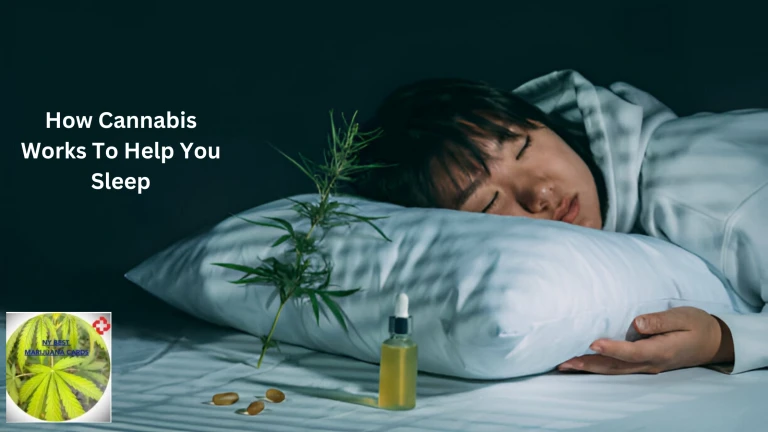
 Are you struggling to catch those elusive Zzz’s? You’re not alone. Millions of people worldwide grapple with insomnia and other sleep disorders.
But did you know that cannabis for sleep might just be your new best friend?
Yes, the age-old plant, often wrapped in controversy, is gaining a reputation as a potent sleep aid.
In this article, we\'ll explore how cannabis works to help you sleep, what makes THC and CBD effective, how to use cannabis for sleep, the best cannabis types for sleep, and the risks of CBD.
We’ll also touch on how NY Best Marijuana Cards can help you get started with medical cannabis for sleep.
How does cannabis work as a sleep aid?
Cannabis has been used for centuries to aid sleep, and modern science is catching up with this ancient wisdom.
When you consume cannabis, it interacts with your body\'s endocannabinoid system.
This system plays a crucial role in regulating various physiological processes, including sleep, mood, and appetite.
Cannabinoids, the active compounds in cannabis, bind to cannabinoid receptors in your brain.
This interaction can induce feelings of relaxation and drowsiness, helping you drift off into a peaceful slumber.
Think of the endocannabinoid system as a complex network that helps maintain your body\'s internal balance.
Cannabis acts like a key, unlocking these receptors to promote sleep.
What makes THC and CBD a sleep aid?
Not all cannabis is created equal. The two most well-known cannabinoids, THC (tetrahydrocannabinol) and CBD (cannabidiol), have different effects on sleep.
THC is the psychoactive component of cannabis. It’s the compound that gives you that "high." But beyond the euphoria, THC has strong sedative properties.
It reduces the time it takes to fall asleep and increases the duration of deep sleep.
If you\'ve ever felt sleepy after consuming cannabis, that\'s THC at work. CBD, on the other hand, doesn\'t make you high. It\'s known for its calming and anti-anxiety effects.
While it doesn\'t sedate you directly like THC, it helps alleviate factors like anxiety and chronic pain that can interfere with sleep.
How to use cannabis for sleep?
Using cannabis for sleep isn’t as simple as lighting up a joint before bed. There are various methods to consider, each with its pros and cons.
Smoking or vaping cannabis offers the quickest effects, usually within minutes.This can be beneficial if you need fast relief.
However, smoking can be harsh on the lungs.Edibles are another popular option.
They take longer to kick in—anywhere from 30 minutes to 2 hours—but their effects last longer.
This can be ideal for those who struggle to stay asleep through the night.Tinctures and oils provide a middle ground.
They are taken sublingually (under the tongue) and typically act within 15-45 minutes.
They offer precise dosing and are less harsh than smoking. It’s important to start with a low dose and gradually increase it until you find what works best for you.
Too much THC can lead to grogginess the next day, while too little might not be effective.
Best cannabis types for sleep
Not all cannabis strains are the same. When it comes to sleep, certain strains stand out.
Indica strains are often recommended for sleep due to their sedative effects.
They are typically rich in THC and have higher levels of myrcene, a terpene known for its relaxing properties.
Popular indica strains for sleep include Granddaddy Purple, Northern Lights, and Bubba Kush.
These strains are known for their ability to relax muscles and calm the mind. If you prefer CBD, look for strains like Charlotte\'s Web or ACDC.
These are high in CBD and low in THC, making them perfect for those who want the calming benefits without the high.
Hybrids, which are a mix of indica and sativa strains, can also be effective. Look for hybrids with a dominant indica profile for the best results.
Risks of CBD
While CBD is generally considered safe, it’s not without risks. Some people might experience side effects like dry mouth, diarrhea, reduced appetite, and fatigue.
CBD can also interact with other medications. If you’re taking other prescriptions, it’s crucial to consult with your doctor before using CBD.
Moreover, the purity and dosage of CBD products can vary widely. Always purchase from reputable sources to ensure you’re getting a high-quality product.
The lack of regulation in the CBD market means that some products may contain contaminants or misleading labels.
Cannabis and Sleep Disorders: Real-Life Examples
Real-life examples can shed light on how cannabis can help with sleep.
Take Lisa, for instance.She’s a 45-year-old graphic designer who has struggled with insomnia for years.
Traditional sleep aids left her feeling groggy and disconnected during the day.
After getting a medical cannabis card through NY Best Marijuana Cards, she started using a high-CBD strain.
Within a week, she noticed a significant improvement in her sleep quality. Lisa now sleeps soundly through the night and wakes up feeling refreshed.
Or consider John, a 30-year-old software engineer with chronic pain that disrupts his sleep.
John turned to a high-THC indica strain. The sedative effects of THC not only helped him fall asleep faster but also alleviated his pain, allowing him to sleep without interruption.
These stories illustrate the potential of cannabis as a sleep aid for different individuals with unique challenges.
Cannabis Dosage and Timing for Sleep
Getting the dosage and timing right is crucial for using cannabis effectively as a sleep aid.
For beginners, starting with a low dose is advisable. A small dose of 2.5 to 5 mg of THC can be enough to test your tolerance.
If you’re using edibles, remember that they take longer to kick in. Plan to take them 1-2 hours before bedtime.
For smoking or vaping, you can consume cannabis about 30 minutes before you plan to sleep.
Tinctures and oils should be taken about 15-45 minutes before bedtime. It\'s also important to consider the ratio of THC to CBD.
A balanced ratio can provide the benefits of both cannabinoids without overwhelming psychoactive effects.
For instance, a 1:1 ratio of THC to CBD is often recommended for beginners.
Potential Side Effects and How to Manage Them
While cannabis can be beneficial for sleep, it’s not without potential side effects. Some people may experience dry mouth, dizziness, or changes in appetite.
If you find yourself feeling groggy the next day, you might be using too high a dose. Reducing your dose can help minimize these effects.
Staying hydrated and having a light snack before bed can also mitigate dry mouth and appetite changes.
If you experience dizziness, make sure to use cannabis in a safe environment where you can sit or lie down until the feeling passes.
Remember, everyone’s body reacts differently to cannabis, so it’s important to find what works best for you through careful experimentation and adjustment.
Legal Considerations and Getting a Medical Cannabis Card
Before you start using cannabis for sleep, it’s important to understand the legal considerations.
In many places, cannabis is still illegal or only available for medical use.
Getting a medical cannabis card can provide legal access to cannabis products. This is where NY Best Marijuana Cards comes in handy.
They make the process of getting your medical cannabis card simple and straightforward.
You just need to make an appointment, talk with a registered marijuana doctor, and receive your medical cannabis recommendation.
This service ensures you’re getting legitimate advice and access to quality products, which is crucial for effective and safe cannabis use.
Comparing Cannabis with Traditional Sleep Aids
Cannabis isn’t the only option for sleep aid, but how does it compare to traditional sleep medications?
Prescription sleep aids, like benzodiazepines and non-benzodiazepine sedatives, are effective but come with significant risks.
These can include dependence, tolerance, and a range of side effects like daytime drowsiness and memory problems.
Over-the-counter sleep aids, often antihistamines, can leave you feeling groggy and have diminishing returns with long-term use.
Cannabis, on the other hand, offers a more natural alternative.
While it’s not without risks, these are often less severe compared to traditional sleep medications.
Cannabis can be tailored to your specific needs through strain selection and dosing, providing a personalized approach to sleep aid.
Cannabis for Sleep: Future Research and Trends
The landscape of cannabis research is constantly evolving. As more studies are conducted, our understanding of how cannabis affects sleep will deepen.
Current trends indicate a growing acceptance and use of cannabis for medicinal purposes, including sleep.
Future research may uncover new cannabinoids and terpenes that can be harnessed for sleep aid.
This ongoing research will likely lead to more refined and effective cannabis products, tailored specifically for sleep.
Moreover, as legalization spreads, access to these products will become easier, providing more options for those struggling with sleep issues.
The Role of Terpenes in Cannabis for Sleep
While cannabinoids like THC and CBD get most of the attention, terpenes also play a significant role in cannabis’ effects.
Terpenes are aromatic compounds found in cannabis and other plants.
They contribute to the unique smells and flavors of different strains and have their own therapeutic effects.
For sleep, terpenes like myrcene, linalool, and terpinolene are particularly beneficial. Myrcene is known for its sedative and muscle-relaxing properties.
Conclusion
Cannabis for sleep is a promising option for those battling insomnia and other sleep disturbances.
Whether you opt for THC or CBD, or a combination of both, finding the right balance is key.
Remember, what works for one person might not work for another, so be patient and willing to experiment.
If you’re considering cannabis for sleep, getting a medical cannabis card can be a great first step.
NY Best Marijuana Cards offers an easy and streamlined process to get your medical cannabis recommendation.
You simply make an appointment, speak with a registered marijuana doctor, and receive your recommendation.This can make accessing high-quality cannabis products much easier.
In conclusion, cannabis offers a natural alternative to traditional sleep aids. With the right guidance and products, you can find relief from sleepless nights.
So why not give cannabis a try and see if it can help you finally get the restful sleep you deserve?











Sign in to leave a comment.