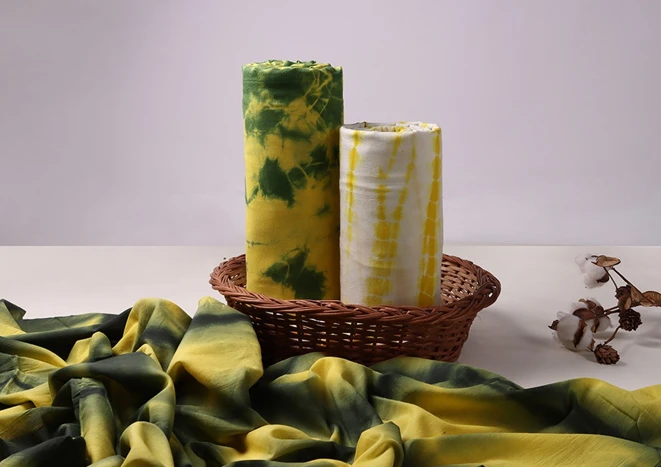

Canvas fabric has stood the test of time, admired for its durability, versatility, and aesthetic appeal. This timeless material has found its place in various industries, from fashion to art to home decor. In this blog, we\'ll delve into the properties of canvas fabric, the process of its production, and its wide-ranging applications, highlighting why DMAASA’s high-quality canvas fabrics are a top choice for your needs.
Properties of Canvas Fabric
1. Durability: Canvas is known for being a strong and long-lasting material. Made from tightly woven fibers, it can withstand heavy use and resist wear and tear. This makes it ideal for products that require long-lasting materials, such as bags, tents, and upholstery.
2. Versatility: Canvas is incredibly versatile and suitable for a myriad of applications. Its adaptability is evident in its use across different sectors, from fashion and art to industrial purposes. The fabric can be easily dyed, printed, and treated to enhance its properties, making it a favorite among designers and manufacturers.
3. Breathability: Despite its strength, canvas fabric is breathable. This quality makes it comfortable for clothing and wearable accessories, allowing air circulation and reducing moisture build-up.
4. Water Resistance: When treated, canvas fabric can become water-resistant, making it an excellent choice for outdoor gear and furniture. This treatment helps the fabric repel water while maintaining its breathability and durability.
5. Eco-Friendly: Canvas made from natural fibers like cotton or linen is an eco-friendly option. These fibers are renewable and biodegradable, making canvas a sustainable choice for environmentally conscious consumers.
How Canvas Fabric is Made
1. Fiber Selection: Canvas fabric typically starts with cotton or linen fibers, though synthetic fibers can also be used. Cotton is the most common due to its availability and desirable properties.
2. Spinning: The chosen fibers are spun into yarns. To produce a continuous thread, the fibers are twisted together throughout this procedure. Canvas is known for being a strong and long-lasting material. The quality of the yarns determines the final strength and texture of the canvas.
3. Weaving: The yarns are then woven into fabric using a plain weave technique. This involves interlacing the warp (vertical) and weft (horizontal) threads in a crisscross pattern. The tightness of this weave contributes to the fabric’s durability and strength.
4. Finishing: After weaving, the canvas fabric undergoes various finishing processes. It can be bleached, dyed, or treated with water-resistant coatings. These finishing touches enhance the fabric’s appearance and functionality, preparing it for its intended use.
Where to Use Canvas Fabric
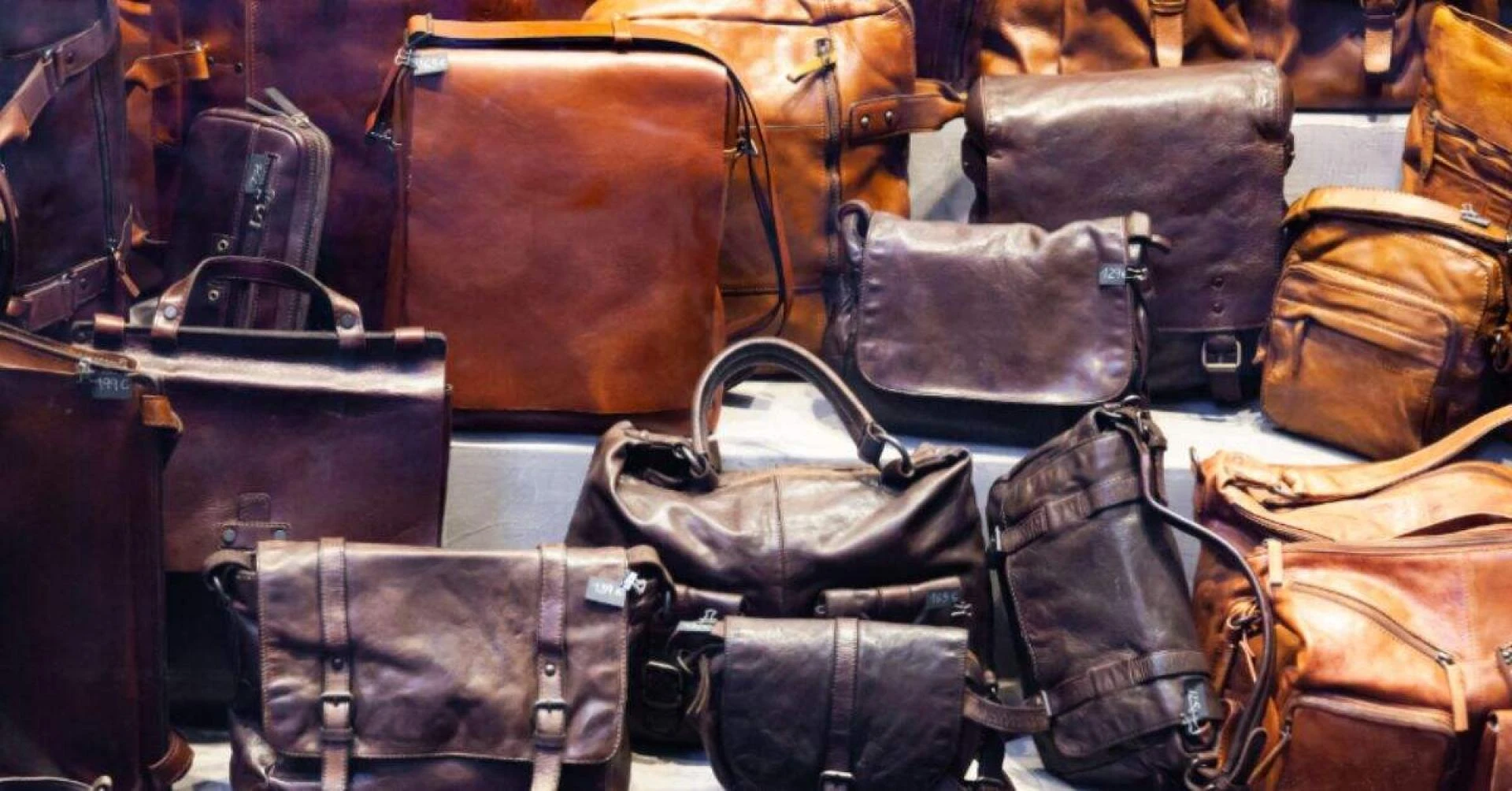
1. Fashion: Canvas fabric is a staple in the fashion industry. It\'s used to make bags, shoes, jackets, and other apparel items. Its durability and ability to hold shapes make it ideal for structured items like totes and backpacks.
2. Art: Artists have long favored canvas as a medium for painting. The fabric’s texture holds paint well, providing a sturdy surface for both oil and acrylic paints. Primed canvas stretched over wooden frames is a standard for artists worldwide.
3. Home Decor: In home decor, canvas is used for making upholstery, curtains, cushions, and slipcovers. Its versatility allows it to blend seamlessly into various interior design styles, from rustic to modern.
4. Outdoor Gear: Canvas’s durability and water resistance make it perfect for outdoor applications. It\'s used in tents, awnings, boat covers, and outdoor furniture. The fabric withstands harsh weather conditions, ensuring longevity and reliability.
5. Industrial Use: Industrially, canvas is employed in making tarps, conveyor belts, and heavy-duty sacks. Its robust nature makes it suitable for demanding applications that require strong and resilient materials.
Why Choose DMAASA for Canvas Fabric?
At DMAASA, we pride ourselves on providing premium-quality canvas fabrics that meet the diverse needs of our customers. Here’s why our canvas fabrics are the best choice:
- Superior Quality: We use the finest fibers and advanced weaving techniques to ensure our canvas fabrics are of the highest quality.
- Wide Range: Our collection includes various types of canvas, from lightweight options for fashion to heavy-duty fabrics for industrial use.
- Sustainability: We are committed to eco-friendly practices, offering canvas fabrics made from natural and renewable fibers.
- Customization: We provide customized solutions to meet specific requirements, whether it’s a particular color, treatment, or pattern.
Conclusion
Canvas fabric\'s enduring popularity is a testament to its remarkable properties. From its unmatched durability and versatility to its eco-friendly nature, the canvas is a fabric that serves a multitude of purposes. Whether you\'re an artist, a designer, or an outdoor enthusiast, canvas fabric offers the perfect blend of functionality and style. Explore DMAASA’s extensive range of canvas fabrics and discover why it remains a timeless choice for countless applications.






Sign in to leave a comment.