

Tips to make your car’s AC summer-ready
It’s almost Spring blooming in Australia, with days getting warmer. The temperature will further soar as summers get closer. As such, the mere thought of driving a non-functional car air conditioner can dull you.
We recommend a professional inspection if you haven’t used your car AC in a while and have no idea if it’s warm-season-ready. But before you move, read this blog to learn some simple yet effective tips to make your car AC summer-ready.
This detailed car AC maintenance checklist will keep your AC running optimally, allowing you to enjoy driving without fearing the scorching heat.
Why is car AC maintenance important in Australia?
The car AC is not just a luxury but a necessity in Australia in the unbearably hot climate when temperatures soar. However, maintaining your car’s aircon system is not just about keeping you cool in hot weather but also many other reasons.
A well-maintained and fully functioning aircon system is crucial as it:
- Prevents driver fatigue, especially during long drives.
- Prolongs the life of the entire AC system while saving you money on costly repairs and replacements.
- Improves air quality inside the car by preventing allergens and dust from entering the vehicle.
- Prevents the growth of mould and fungi by reducing moisture/humidity inside the car
- Keeps the interiors cool, fresh and odour-free for greater comfort.
- Increases the car’s resale value.
- Prevents vehicle overheating by regulating the engine temperature.
Top 8 Reasons why your car AC is not blowing cold air.
When a vehicle is new, its air-con blows cold air. However, it loses its cooling capacity as it ages. Under normal conditions, the cooling efficiency of a car’s aircon system declines by 5% (or even more) every year.
Besides age, certain other factors may cause your AC to malfunction. Let’s examine some of the most common causes of AC not blowing cold air:
Low engine RPM
The engine isn’t operating at its maximum capacity when idle. This means the compressor in the AC unit isn’t getting as much power as it needs to function properly. Consequently, the refrigerant in the aircon system might fail to sufficiently cool down to generate cold air.
Refrigerant leakage
With time, the compressor collects oily substances, which hinders its performance. With low pressure in the system, the compressor won’t be able to cycle correctly. As a result, the AC will produce hot air.
Blockage in the condenser.
Like the compressor, the condenser may also accumulate dust and dirt, causing it to block and overheat the refrigerant.
Faulty components.
A failed compressor or condenser fan can prevent your car\'s AC from functioning properly, which results in hot air blowing instead of cold.
Cabin filter damage.
A malfunctioning cabin filter fails to filter out debris that enters the AC unit, which damages the motor fans and the condenser.
Low refrigerant levels.
Inadequate refrigerant in the aircon system will not let it cool properly.
Excessive engine heat
If the engine experiences excessive heat due to cooling system issues, it could impact the functioning of the AC system, particularly when idling and airflow are reduced.
Low engine coolant level
Apart from refrigerant, the car’s aircon system also depends on the engine’s cooling system for its efficient functioning. That’s because the AC system and the engine coolant use the radiator. So, if the coolant level in the engine is low, the AC system will blow warm air.
Some other reasons, like a loosened or damaged drive belt, condenser damage, motor fan damage, and condenser fan failure, can also prevent the car AC system from blowing cool air. All the above problems should be noticed and immediately addressed by professionals.
Signs your car AC needs a tune-up
So now you’re aware of the common AC system problems. How can you inspect the issues with your car\'s air con? Well, certain tell-tale signs indicate it’s time for car aircon maintenance.
- Heated air: If the vents release air that doesn’t feel cold, it could indicate the need for compressor inspection, refrigerant replenishment, or other repairs.
- Weak airflow: If the airflow from the AC vents is weaker than usual, it might be because of an obstruction or other underlying problems.
- Foul smell: Unpleasant odours from the AC vents might indicate the presence of mould or bacterial growth within the system.
- Unusual sounds: Odd sounds like hissing or rattling may signal issues with the compressor or other vital components.
Car AC maintenance checklist: tips to optimise your AC performance
Here are certain expert maintenance tips that can help you maximise the cooling of your AC system.
Inspecting and replacing cabin filters
The cabin filter is often located behind the glove box. A dirty or clogged cabin filter can obstruct the airflow from the AC vents. Over time, airborne particles build up with enough debris, blocking air from passing through the filter media. The simple solution is to replace the cabin filter as your car manufacturer recommends. Doing this will restore the airflow.
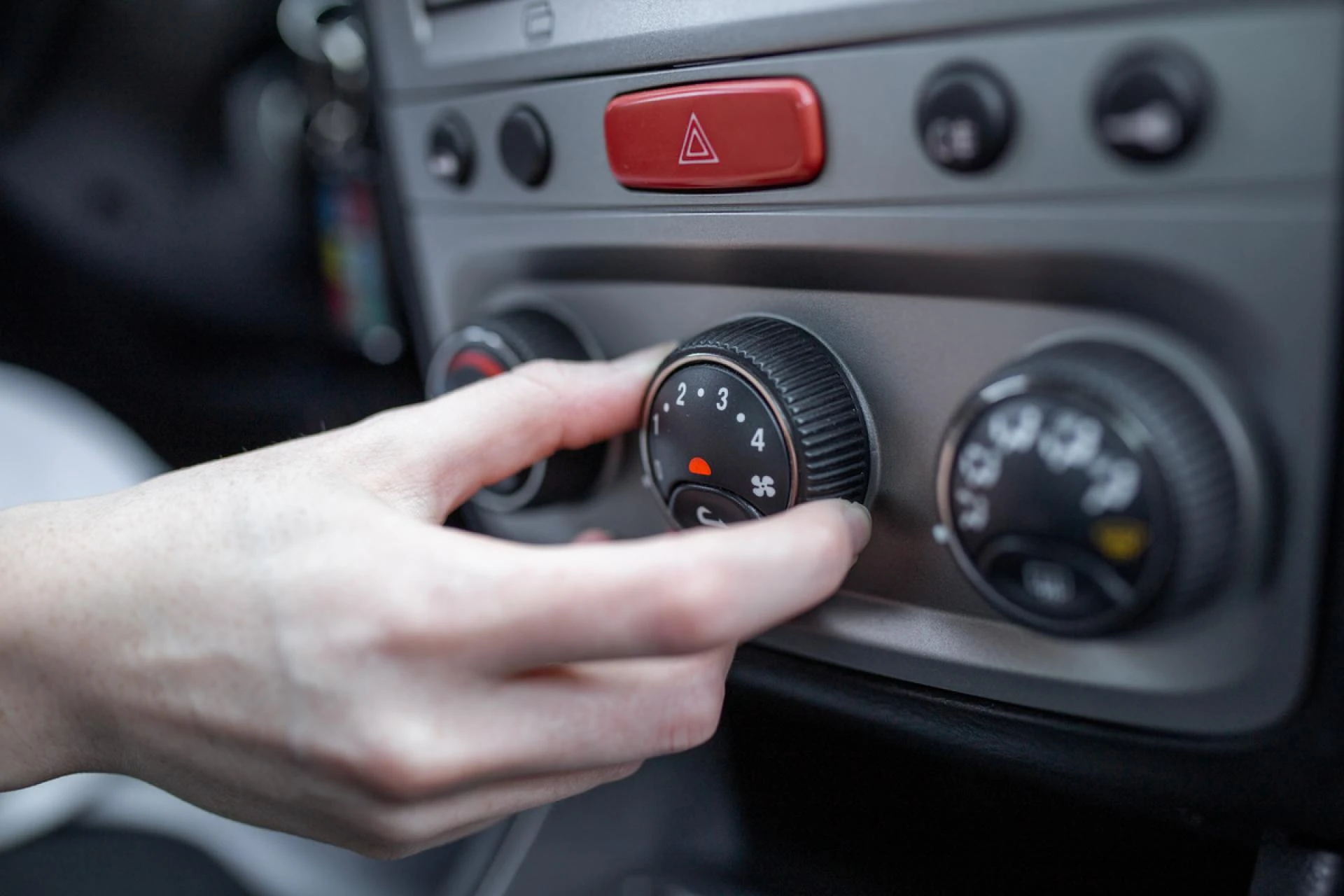
Temperature control and optimising airflow
Despite turning up your blower motor to the maximum and setting the temperature to the lowest, your air conditioning services in Melbourne might not deliver optimal cooling performance. However, it will reach its coldest if you:
- Turn the way to its full cooling capacity.
- Activate the recirculate mode.
- Set the fan one notch down from full.
- Set the air direction for the dash and feet vents.
Doing this will circulate the cooled air from the cabin instead of drawing in warm air from outside. This will, thus, make the car even colder.
Monitoring and refilling refrigerant levels
As said, the AC system loses its cooling as it ages. This is because refrigerant dissipates from seals over time. To restore your AC’s performance, recharging the refrigerant is important. Take your vehicle to a European car service Melbourne shop to check for leaks and recharge the system.
Professional inspection
To ensure your AC system performs at its peak, it must be inspected professionally at least once a year. A qualified mechanic can perform a thorough check, including checking for leaks, cleaning coils and ensuring proper functionality.
Inspect and replace hoses and belts
Both belts and hoses are prone to wear and tear due to aging, heat, and usage, which may lead to Aircon system malfunctioning, engine overheating, or even engine failure. With regular inspection and timely replacement of belts and hoses, you can maintain proper engine cooling and optimal AC performance. Seek professional assistance to get these components replaced.
DIY tips to improve your car’s Aircon
Besides the professionals, you can take care of your car AC by practising the following car aircon maintenance DIY tips:
- Avoid pre-cooling while your car is still parked to cool it down.
- Choose low-temperature settings for maximum cooling and fuel efficiency.
- Turn on recirculation to keep your car cooler. When you do this, the AC system pulls air inside the cabin and circulates it for better cooling.
- Park your car under the shade to keep the cabin cool, allowing the AC system to maintain the desired temperature faster.
- Regularly clean the condenser coils using a soft brush or compressed air for seamless airflow.
- Use air curtains and sun shades to block the direct sunlight from entering the car. This will keep your vehicle cool.
- Before turning on the car AC, ventilate your cabin from excess heat by rolling down the windows and running the fan. This allows the hot air to escape before switching the AC on.
Conclusion
A well-maintained AC system is vital for a comfortable ride in hot weather. Regular inspections and service schedules by BCS Prestige are essential for optimal performance.
Performing DIY maintenance on your Volvo car\'s air conditioning system is crucial. However, it is also highly recommended to consult a professional Volvo car mechanic in Melbourne for regular AC check-ups. By frequently maintaining your AC system, you can prolong its lifespan and ensure that it operates effectively and efficiently when needed.










Sign in to leave a comment.