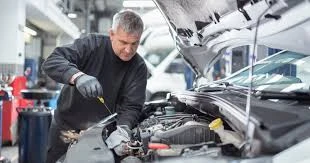

Regular car services are essential for maintaining the health and performance of your vehicle. Whether you drive a brand-new car or an older model, routine maintenance ensures safety, longevity, and efficiency. In this guide, we’ll delve into the importance of car servicing, types of services, and tips to keep your vehicle running smoothly.

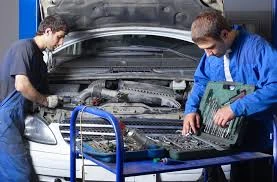
Why Are Car Services Important?
Car servicing goes beyond just fixing problems; it’s about preventing them. Here are a few key reasons why regular servicing is crucial:
- Ensures Safety: A well-maintained car reduces the risk of breakdowns and accidents. Services check essential components like brakes, tires, and steering systems to ensure they function properly.
- Improves Performance: Routine maintenance keeps your engine running efficiently, improving fuel economy and overall performance.
- Prolongs Lifespan: Regular checks and oil changes prevent wear and tear, extending the life of your car.
- Maintains Resale Value: A well-documented service history increases your car’s resale value by assuring buyers it has been well cared for.
- Avoids Costly Repairs: Catching minor issues early prevents them from turning into expensive repairs later.
Types of Car Services
Car servicing is typically categorized into three main types: Interim, Full, and Major. Each has its own purpose and frequency:
- Interim Service: ● Conducted every 6 months or 6,000 miles (whichever comes first). ● Focuses on essential checks like oil, filters, brakes, and tire pressure. ● Ideal for high-mileage drivers.
- Full Service: ● Recommended once a year or every 12,000 miles. ● Covers a comprehensive range of checks, including the engine, steering, suspension, and cooling system. ● Includes filter replacements, fluid top-ups, and brake inspections.
- Major Service: ● Conducted every 24 months or 24,000 miles. ● Includes all aspects of a full service plus additional checks like spark plugs, fuel filters, and brake fluid replacement.
Additionally, some services cater to specific needs, such as air conditioning servicing, tire alignment, and seasonal checks (e.g., winter or summer readiness).
Common Components Checked During a Service
A typical car service involves inspecting and maintaining key components to ensure optimal performance. Here are some areas commonly covered:
- Engine Oil and Filter: Replacing the engine oil and filter ensures smooth engine operation and prevents damage caused by dirty or old oil.
- Brakes: Pads, discs, and brake fluid are inspected for wear and tear to ensure safety.
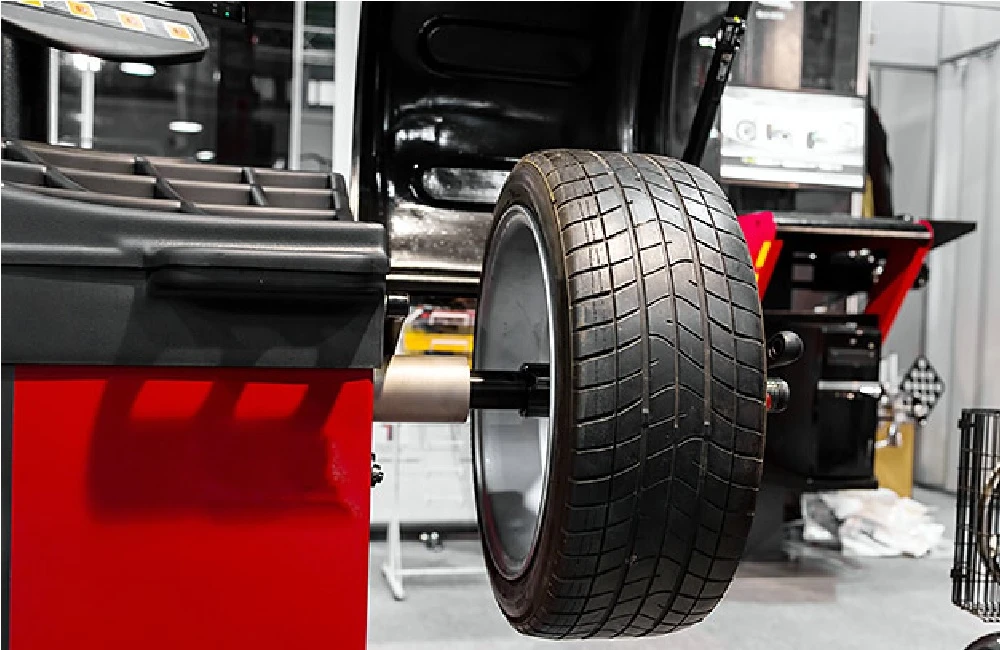
- Tires: Checks include tread depth, pressure, and overall condition.
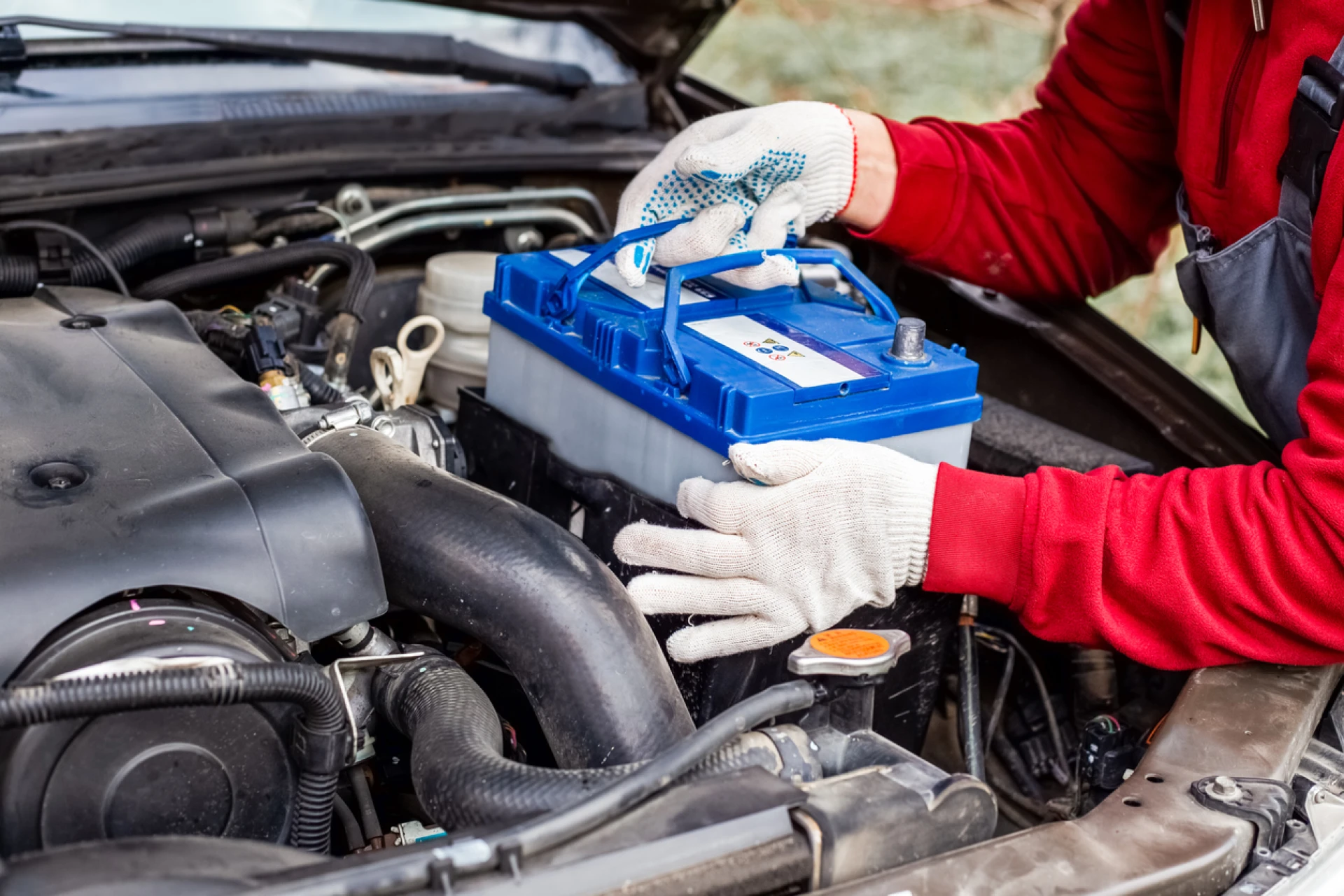
- Battery: Testing the battery’s charge and connections ensures reliable starts and prevents breakdowns.
- Lights: Ensuring all interior and exterior lights function correctly, including headlights, indicators, and brake lights.
- Suspension and Steering: Inspections ensure a smooth and controlled driving experience.
- Exhaust System: Checks for leaks or damage that could affect performance or emissions.
- Fluid Levels: Includes coolant, transmission, power steering, and windshield washer fluid top-ups.

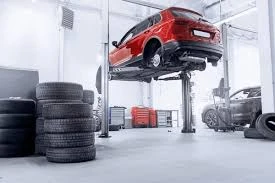
Benefits of Professional Car Services
While DIY maintenance has its place, professional services offer numerous advantages:
- Expertise: Certified mechanics have the skills and tools to spot and address issues you might miss.
- Comprehensive Checks: Professionals follow a detailed checklist to ensure every aspect of your car is inspected.
- Advanced Diagnostics: Modern vehicles often require specialized diagnostic tools to identify issues accurately.
- Warranty Protection: Regular servicing at an authorized center often keeps your car’s warranty intact.
- Time-Saving: A professional service can be completed quickly, allowing you to focus on your day-to-day activities.
How to Choose the Right Car Service Provider
Finding a reliable service center can feel overwhelming. Here are some tips to help you make the right choice:
- Check Reviews: Look for customer feedback online to gauge the quality of service.
- Certifications: Choose a garage with certified mechanics and accreditation from recognized organizations.
- Transparent Pricing: Opt for providers who offer clear and upfront pricing with no hidden costs.
- Convenience: Consider factors like location, operating hours, and additional services like pick-up and drop-off.
- Specialization: Some garages specialize in specific car brands, which can be beneficial if you own a luxury or foreign vehicle.
DIY Car Maintenance Tips
While professional services are essential, regular at-home checks can keep your car in good shape between services. Here are a few easy maintenance tips:
- Check Oil Levels: Use the dipstick to ensure your engine oil is at the right level and top up if necessary.
- Inspect Tires: Regularly check tire pressure and tread depth for safety and efficiency.
- Keep It Clean: Washing your car prevents dirt and grime from causing long-term damage to the paint and undercarriage.
- Replace Wiper Blades: Ensure clear visibility by changing wiper blades when they show signs of wear.
- Test Lights: Check all lights regularly and replace bulbs as needed.
- Monitor Warning Lights: Never ignore dashboard warning lights; they often signal an issue that requires immediate attention.
Seasonal Car Service Tips
Different seasons pose unique challenges for vehicles. Preparing your car for the weather ensures safety and performance:
- Winter: ● Check your battery, as cold temperatures can reduce its efficiency. ● Ensure tires are winter-ready with adequate tread depth. ● Top up antifreeze levels to prevent the cooling system from freezing.
- Summer: ● Inspect the air conditioning system for optimal cooling. ● Ensure tires are properly inflated to handle hot roads. ● Check coolant levels to prevent overheating.
Signs Your Car Needs Immediate Servicing
Sometimes, your car will signal that it needs attention. Watch out for these warning signs:
- Unusual Noises: Squealing, grinding, or knocking sounds can indicate problems with the brakes, engine, or suspension.
- Warning Lights: Dashboard alerts like the check engine light shouldn’t be ignored.
- Reduced Performance: If your car feels sluggish or struggles to accelerate, it’s time for a check-up.
- Vibrations: Shaking or vibrations while driving could signal tire or alignment issues.
- Fluid Leaks: Puddles under your car might indicate leaks in the engine, transmission, or cooling system.
Conclusion
Regular car servicing is the cornerstone of vehicle health, safety, and performance. By understanding the types of services, what’s involved, and how to choose the right provider, you’re better equipped to care for your car. Whether you’re driving a daily commuter or a high-performance vehicle, proactive maintenance ensures you enjoy a smooth and worry-free driving experience for years to come.





Sign in to leave a comment.